

Best Chemical Peels for Acne Scars
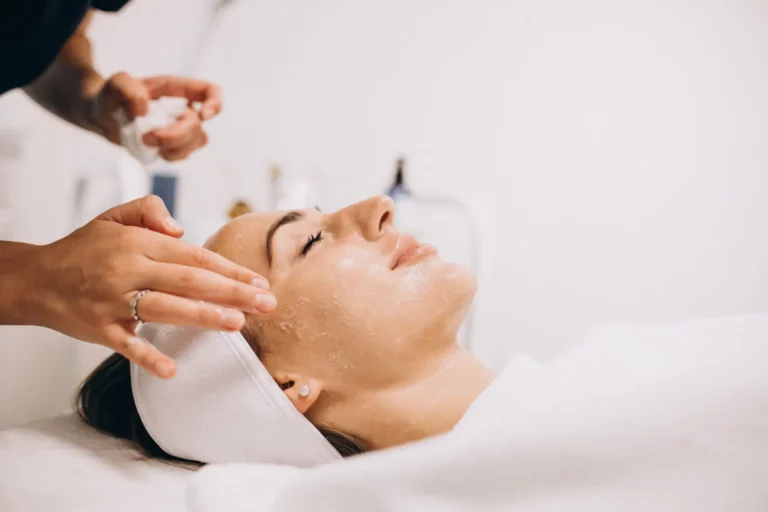
Chemical peels can help reduce acne scars by removing damaged skin layers and boosting collagen production. The best peel for you depends on your scar type, skin tone, and recovery preferences. Here’s a quick guide:
Glycolic Acid Peels: Ideal for mild scars and dark spots. Minimal downtime (1–3 days). Best for all skin types.
TCA Peels: Suitable for moderate to severe scars. Requires 7–14 days of recovery. Works well for fair to medium skin tones.
Salicylic Acid Peels: Great for mild scars and oily skin. Minimal downtime (2–4 days). Safe for most skin types.
Jessner’s Solution: Targets mixed scars and hyperpigmentation. Recovery takes 5–7 days. Works for many skin types.
Phenol Peels: Best for severe scars. Long recovery (3–6 months). Limited to fair skin tones.
Quick Tip: Consult a professional to determine the right peel for your skin type and scar severity. Proper aftercare, like sunscreen use, is crucial for optimal results.
HOW I GOT RID OF MY ACNE SCARS! TCA Chemical Peel | Procedure + Before and After
1. Glycolic Acid Peels
Glycolic acid is often the go-to option for beginners exploring chemical peels. Thanks to its small molecular size, it easily penetrates the skin’s surface, helping to fade mild acne scars and refine texture. This gentle Alpha Hydroxy Acid (AHA) promotes skin renewal, unveiling a smoother and healthier complexion.
Scar Severity Addressed
This type of peel works best for mild acne scars and post-inflammatory hyperpigmentation (those dark spots left behind by acne). It’s especially effective for surface-level scars but isn’t strong enough to tackle deep, pitted scars.
Penetration Depth
Glycolic acid peels focus on the outermost layer of the skin, making them a safer option with fewer risks. By removing dead skin cells at a controlled depth, they set the stage for gradual improvements while keeping complications to a minimum.
Number of Sessions Required
“Generally, 3 to 6 sessions are recommended to achieve noticeable improvements in acne scars.” – Saloni Bhandari, Esthetician and Founder of SA Blissful Spa [1]
Most people see results after 3 to 6 sessions, spaced about 2–5 weeks apart. This schedule gives your skin enough time to heal and regenerate between treatments. If you have sensitive skin, it’s a good idea to begin cautiously – rinse the peel off after just 15–30 seconds during the first session, then gradually increase the duration over time [2][3].
Downtime Duration
One of the advantages of glycolic acid peels is the minimal downtime. You might notice mild redness and light peeling for a few days, but most people can return to their normal activities right away. That said, the new skin is more sensitive to sunlight, so using a broad-spectrum SPF 30+ sunscreen is absolutely essential during the healing process [1][2].
Skin Type Suitability
Glycolic acid peels are generally well-tolerated across different skin types. However, if you have sensitive skin, it’s smart to start with lower concentrations and shorter application times. A dermatologist or skincare expert can help tailor the treatment to your specific needs. During recovery, stick to gentle moisturizers to maintain hydration and avoid using harsh or exfoliating products until your skin fully recovers.
2. Trichloroacetic Acid (TCA) Peels
TCA peels take skin treatments a step further by targeting deeper layers than glycolic acid peels, making them a strong option for addressing more persistent acne scars. By removing specific layers of skin, TCA peels encourage collagen production, which is key to reducing scars and promoting smoother, healthier skin. These peels serve as a middle ground between surface-level treatments and more invasive procedures.
Scar Severity Addressed
TCA peels are highly effective for moderate to severe acne scars, including boxcar scars, rolling scars, and deeper ice pick scars that glycolic acid peels often can’t tackle. They’re particularly useful for treating atrophic scars – those sunken marks left behind by cystic acne. The deeper penetration of TCA breaks down scar tissue while stimulating collagen in the dermis, helping to improve the skin’s texture and appearance.
Penetration Depth
The depth of a TCA peel depends on its concentration. Light peels (10-25%) focus on the upper dermis, while medium-depth peels (35-50%) reach the mid-dermis. This ability to penetrate deeper layers sets TCA peels apart, as they don’t just smooth the surface but actually remodel the tissue beneath. This controlled process encourages the skin to rebuild itself from the inside out.
Number of Sessions Required
Most people need about 2 to 4 sessions of TCA peels, spaced 6 to 8 weeks apart, to achieve noticeable results. The longer recovery time between sessions allows the skin to heal properly. For those with more severe scarring, additional treatments might be necessary, but this should always be decided after consulting a skincare professional who can evaluate your skin’s needs.
Downtime Duration
TCA peels come with a longer recovery period compared to lighter peels. Patients should plan for 7 to 14 days of downtime, during which the skin goes through distinct healing stages. Expect redness and swelling for the first 2 to 3 days, followed by up to a week of peeling as the damaged layers shed. Once the healing process is complete – typically 4 to 6 weeks after treatment – the fresh, rejuvenated skin becomes visible.
Skin Type Suitability
TCA peels are generally best suited for fair to medium skin tones (Fitzpatrick skin types I-III). Those with darker skin tones are at a higher risk of developing post-inflammatory hyperpigmentation, so extra precautions, such as pre-treatment with hydroquinone or tretinoin, are often recommended. Individuals with active acne, recent sun exposure, or certain medical conditions may not be ideal candidates for TCA peels and should consult their skincare provider for alternative options.
3. Salicylic Acid Peels
Salicylic acid peels are a gentle yet effective way to address acne scars while also managing oil production and clearing out clogged pores. As a beta-hydroxy acid (BHA), salicylic acid stands out because it’s oil-soluble, allowing it to cut through sebum and reach deeper into the pores compared to water-soluble acids. This makes it especially useful for individuals dealing with both acne scars and active breakouts.
Scar Severity Addressed
These peels are most effective for mild to moderate acne scars, such as superficial atrophic scars and post-inflammatory hyperpigmentation (PIH). While they may not deliver dramatic results for deeper scars like ice pick or boxcar scars, they’re excellent at softening shallow depressions and evening out skin tone, thanks to their ability to penetrate pores deeply.
Penetration Depth
Salicylic acid peels primarily target the upper layers of the epidermis, typically with concentrations ranging from 15% to 30% in professional treatments. Their oil-soluble nature allows them to dive into follicles and pores more effectively than glycolic acid, even at similar strengths. This deeper action helps dissolve keratin plugs that can emphasize scars, offering smoother skin over time.
Number of Sessions Required
Most people start seeing improvements after 4 to 6 sessions, spaced about 2 to 4 weeks apart. Since these peels are milder, they require more sessions to achieve noticeable results. However, this gentler approach also means fewer side effects and a more comfortable experience overall.
Downtime Duration
One of the perks of salicylic acid peels is the minimal downtime. Most users experience only 2 to 4 days of light peeling and mild redness. Unlike deeper peels that cause significant shedding, these peels provide a subtle exfoliation, allowing many people to resume their daily routines – like work – the very next day.
Skin Type Suitability
Salicylic acid peels work well for most skin types, including darker skin tones that might otherwise be prone to hyperpigmentation with other chemical peels. Thanks to its anti-inflammatory properties, salicylic acid reduces the risk of post-treatment darkening. It’s particularly beneficial for those with oily or combination skin who are dealing with both breakouts and scars. However, individuals with aspirin allergies should steer clear of these treatments, as salicylic acid and aspirin share similar chemical properties. Up next, we’ll explore Jessner’s Solution Peels as another option for personalized skin rejuvenation.
4. Jessner's Solution Peels
Jessner’s Solution combines salicylic acid, lactic acid, and resorcinol to target acne scars. This carefully crafted mix amplifies the benefits of each acid, making it a strong choice for addressing persistent or mixed scarring.
Scar Severity Addressed
This peel can tackle various types of acne scars, including atrophic scars, rolling scars, and post-inflammatory hyperpigmentation. Here’s how it works: salicylic acid clears clogged pores and calms inflammation, lactic acid smooths uneven skin texture, and resorcinol helps break down damaged tissue. Together, they provide a multi-faceted approach to improving scarred skin.
Penetration Depth
When applied by a professional, Jessner’s peels typically penetrate from the mid-epidermis to the upper dermis. By layering the solution, the depth of penetration can be adjusted to suit the individual’s specific scarring needs, allowing for a more personalized treatment.
Number of Sessions Required
Improvements usually start to show after 3–5 sessions, with treatments spaced 4–6 weeks apart. For deeper or more stubborn scars, up to 8 sessions may be necessary. Each session builds on the results of the last, gradually enhancing skin texture and tone. This makes Jessner’s peels a versatile option that works well alongside other peeling treatments for a variety of scar types.
Downtime Duration
After treatment, peeling typically lasts 5–7 days. Redness is common for the first 1–2 days, followed by 3–4 days of more intense peeling, and then a gradual healing process. Many people plan these treatments around weekends to allow for recovery without interruptions to their routine.
Skin Type Suitability
Jessner’s peels are suitable for many skin types, though extra care is needed for darker skin tones due to the risk of pigmentation changes. The inclusion of lactic acid may reduce the likelihood of hyperpigmentation compared to glycolic acid-based treatments, making this peel a potential option for Fitzpatrick skin types III–V. However, individuals with very sensitive skin, active eczema, or those using medications like isotretinoin should avoid this treatment. Always consult a professional to determine if this peel is right for you.
5. Phenol Peels
Phenol peels are a powerful option for tackling severe acne scars, delivering deep exfoliation to rejuvenate the skin. Using phenol (carbolic acid), this treatment removes damaged outer layers and encourages the growth of fresh, healthier skin. It’s often chosen when milder peels fail to deliver noticeable results.
Scar Severity Addressed
Due to their strength, phenol peels are typically reserved for severe acne scars that extend deep into the skin. They’re an option for individuals who haven’t seen improvement with lighter treatments.
Penetration Depth
This peel works by creating a controlled injury that reaches through the entire epidermis and into the upper dermis. While this promotes significant skin remodeling, it also comes with increased risks.
Number of Sessions Required
Phenol peels are usually done in a single session. In some cases, a follow-up treatment may be suggested 6–12 months later to enhance the results further.
Downtime Duration
Recovery from a phenol peel takes time. Initial healing, including swelling, crusting, and peeling, lasts about 2–3 weeks. However, full recovery can take anywhere from 3 to 6 months. During this period, rest, frequent use of prescribed moisturizers, and strict sun avoidance are critical to protect the healing skin.
Skin Type Suitability
Phenol peels are best suited for individuals with fair skin tones (Fitzpatrick I–II) to reduce the risk of permanent pigmentation issues. Candidates also need to be in good health, as phenol can have systemic effects if absorbed. Those with heart or kidney conditions, or individuals on certain medications, may not be suitable for this treatment. Post-procedure, adopting rigorous sun protection is a must to preserve the results and protect the newly regenerated skin.
Pros and Cons
When deciding on the right peel, it’s essential to weigh the benefits and drawbacks of each option. Your skin type, the depth of your scars, and the time you can dedicate to recovery all play a role in determining the best fit.
Glycolic acid peels are a gentle starting point, suitable for a wide range of skin types with minimal downtime. They’re perfect for mild improvements but might not be enough for deeper scars.
Salicylic acid peels are champions for oily and acne-prone skin, effectively targeting active acne while addressing scars. However, they aren’t as effective on deeper scars and may lead to dryness.
TCA peels strike a balance, offering noticeable improvements for moderate to severe scarring without the extreme risks of deeper peels. That said, they require 1-2 weeks of recovery and carry some risk of complications, like pigmentation changes.
Jessner’s solution peels are known for their consistent results thanks to their standardized blend of acids. They work across various skin types and provide thorough skin renewal, but achieving the best outcome often requires multiple sessions and involves moderate downtime.
Phenol peels deliver dramatic, one-session results for severe scarring. However, the trade-offs are significant: a lengthy recovery period of 3-6 months, potential health risks, and suitability only for fair skin tones.
Peel Type | Scar Severity | Penetration Depth | Recovery Time | Sessions Needed | Skin Compatibility |
|---|---|---|---|---|---|
Glycolic Acid | Mild to moderate | Superficial | 1-3 days | 4-6 treatments | All skin types |
Salicylic Acid | Mild | Superficial | 3-5 days | 3-6 treatments | Oily, acne-prone skin |
TCA | Moderate to severe | Medium | 1-2 weeks | 1-3 treatments | Most skin types |
Jessner’s Solution | Mild to moderate | Medium | 5-7 days | 3-4 treatments | Most skin types |
Phenol | Severe | Deep | 3-6 months | 1 treatment | Fair skin only |
Price is another factor to consider. Superficial peels typically cost $150–$300 per session, while TCA peels range from $500–$1,000. Phenol peels, with their extensive results and recovery, can exceed $3,000 for a single treatment.
Risk tolerance is equally important. Superficial peels have minimal risks, such as temporary redness and light peeling. Medium-depth peels, like TCA or Jessner’s, come with higher stakes, including potential hyperpigmentation or scarring if aftercare isn’t followed. Phenol peels require strict medical supervision and meticulous aftercare due to their elevated risks.
Finally, think about your lifestyle. If you can’t afford to take time off work or social activities, superficial peels let you maintain your routine. On the other hand, medium and deep peels are better suited for those who can commit to a longer recovery in exchange for more dramatic results.
Balancing these factors with your personal goals will help you choose the peel that aligns best with your needs.
Conclusion
Choosing the right chemical peel starts with understanding your scar severity and skin type. For mild scars, superficial peels are a good starting point, though they often require multiple sessions to see results. If your scars are moderate to severe, TCA peels or Jessner’s solution might be more effective, but these come with a one- to two-week recovery period and require diligent aftercare. For the most severe scarring, phenol peels can deliver noticeable results, but they demand a lengthy recovery process and must be done under professional supervision.
Your skin type also plays a big role in determining the best treatment. If you have oily, acne-prone skin, salicylic acid peels are often the most effective. For those with sensitive skin, starting with gentler options like glycolic acid peels is recommended. Individuals with darker skin tones should be cautious with medium and deep peels, as these treatments carry a higher risk of pigmentation changes.
Costs for chemical peels can vary widely. While superficial peels are typically more affordable per session, deeper peels may involve a higher upfront cost but could provide longer-lasting results.
Ultimately, consulting with a professional is key. They can assess your scars, evaluate your skin’s condition, and create a custom treatment plan that balances risks, recovery time, and expected results.
FAQs
Choosing the right chemical peel largely depends on the type and depth of your acne scars, as well as your skin type. For those with mild or shallow scars, glycolic acid or salicylic acid peels are often a good choice. These peels gently exfoliate, helping to smooth the skin’s surface and reduce the appearance of scars.
If your scars are more moderate or if you’re also noticing early signs of aging, a TCA (trichloroacetic acid) peel might be a more suitable option. TCA peels penetrate deeper, addressing both scars and fine lines.
For deeper scars, stronger chemical peels may be necessary. However, it’s essential to consider your skin tone, as there’s a higher risk of hyperpigmentation for individuals with medium to darker skin tones. To avoid complications and ensure the best results, consulting a skincare professional is highly recommended. They can guide you toward the safest and most effective choice tailored to your skin’s unique needs.
Deeper chemical peels, like TCA (trichloroacetic acid) or phenol peels, come with their own set of risks. These can include permanent changes in skin pigmentation, scarring, or extended periods of redness and irritation. Phenol peels, in particular, are known to carry a higher risk of hypopigmentation (lightened skin), especially for individuals with darker skin tones.
In rare instances, phenol peels can lead to serious health concerns, such as irregular heart rhythms or even damage to internal organs like the heart, kidneys, or liver. To reduce these risks, it’s crucial to consult with a qualified professional, strictly follow all pre- and post-treatment care guidelines, and ensure the procedure is customized for your skin type and specific concerns.
To get your skin ready for a chemical peel and ensure the best outcome, steer clear of exfoliating products, retinoids, and active acids like glycolic or salicylic acid for at least a week before your appointment. Another key step is protecting your skin from the sun – avoid direct sun exposure and tanning beds for at least four weeks. Sun damage or a tan can make your skin more prone to irritation or unwanted side effects during the peel.
In the days leading up to the treatment, focus on keeping your skin hydrated by using a gentle moisturizer. Skip any harsh treatments like waxing, electrolysis, or other hair removal methods that could irritate your skin. Taking these steps will help prepare your skin for the procedure, reduce the chance of complications, and leave you with a smoother, refreshed complexion.