

Best Practices for Filler Aftercare
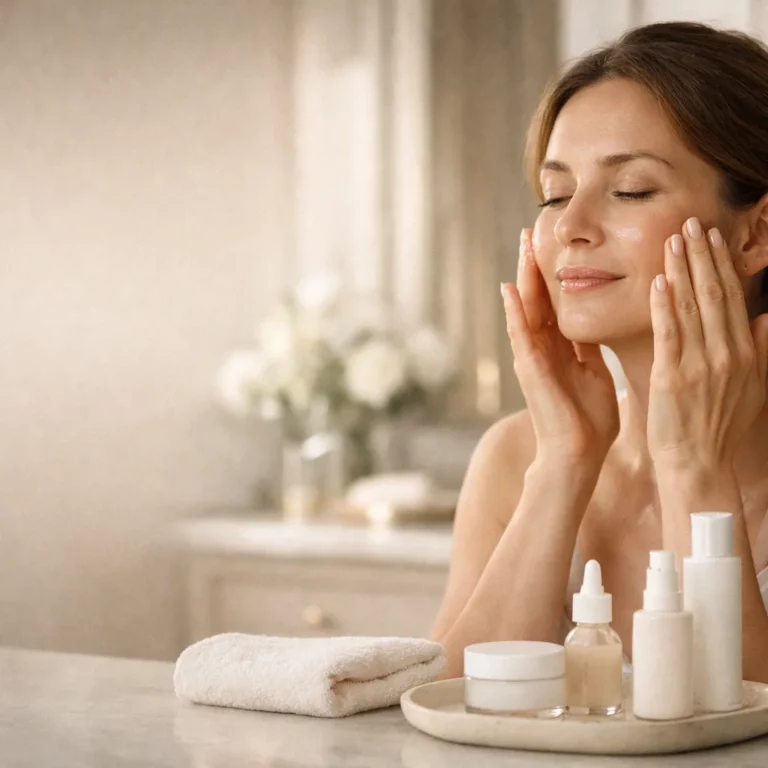
Taking care of your skin after fillers is critical to achieving the best results and avoiding complications like swelling, bruising, or filler migration. Proper aftercare helps fillers settle properly and extends their longevity. Here’s what you need to know:
Key Aftercare Tips:
First 24 Hours:
Use cold compresses to reduce swelling.
Keep the area clean and avoid makeup or touching.
Avoid alcohol, salty foods, and high-heat environments.
Sleep with your head elevated and stay hydrated.
Days 2–7:
Stick to gentle skincare and avoid active ingredients.
Use SPF 30+ daily to protect your skin.
Avoid strenuous exercise and bending below the waist.
Long-Term Care:
Schedule follow-ups to check filler placement.
Maintain results with sunscreen, hydration, and a healthy lifestyle.
Avoid dental work or facial treatments for 2+ weeks.
Things to Avoid:
Touching or massaging the treated area.
NSAIDs like ibuprofen or aspirin, as they can increase bruising.
Flying or high-altitude travel for at least a week.
By following these steps, you can reduce side effects, improve recovery, and help your fillers last longer.
Do's and Dont's of Filler Aftercare - with Dr James!
The First 24 Hours After Treatment
The first 24 hours are crucial for your skin’s recovery and the proper settling of fillers. Taking the right steps during this period can greatly reduce the chances of issues like migration, bruising, or infection. Here’s how to care for your skin during this critical window.
Recommended Actions
Apply a cold compress for 10–15 minutes every hour to reduce swelling and ease discomfort. As Dr. Anureet Bajaj advises, “Ice is your friend during the first 24 hours” [3].
Keep the treated area clean and dry for at least six hours. Afterward, gently cleanse with water and a mild cleanser – no harsh scrubbing or rubbing, as this might disturb the filler placement.
Stay hydrated to help your skin recover and support the filler’s integration.
Sleep with your head elevated to minimize puffiness. For lip fillers, steer clear of very hot foods or beverages.
For pain relief, stick to acetaminophen (Tylenol) if necessary. Avoid NSAIDs like ibuprofen or aspirin, which can increase bruising and bleeding risks.
By following these steps, you create the best possible environment for your fillers to settle and your skin to heal.
What to Avoid
Refrain from touching, massaging, or applying pressure to the treated area for at least six hours, ideally 24 to 48 hours. Dr. Bajaj emphasizes, “Aggressively massaging can also result in filler migration, so it’s best to avoid this as well” [3]. Even light touching can introduce bacteria and raise infection risks.
Skip makeup for the first 24 hours. If absolutely necessary, wait at least six hours and use clean tools to apply it.
Avoid active skincare ingredients like retinols, vitamin C, AHAs, or BHAs for at least 24 hours, as these can irritate your skin.
Steer clear of alcohol and salty foods for 24–48 hours to minimize swelling and bruising. Dr. Kristy Hamilton explains, “Since filler is a hydrophilic product and acts like a sponge, with any trauma or nearby procedure or even with extra salt intake or flying at high altitudes, they may notice that the filler holds onto water more than the surrounding tissues and can cause some temporary swelling” [3].
Avoid high-heat environments such as saunas, steam rooms, hot showers, or direct sunlight for 24–48 hours. Heat can increase blood flow and inflammation, potentially worsening swelling or bruising.
Skip strenuous exercise like cardio or heavy lifting for 24–48 hours. Elevated heart rate and blood pressure during exercise can increase swelling and bruising, which might affect your results.
Managing Swelling and Bruising: Days 2-7
Once the critical first 24 hours have passed, it’s time to focus on ongoing care to help your fillers settle and reduce any lingering swelling or bruising. Most side effects like redness and puffiness typically fade within a week to ten days [5]. Gentle skincare and thoughtful lifestyle choices can make a big difference during this recovery period.
Skincare Tips
Stick to a gentle skincare routine. Use a mild cleanser with lukewarm water, and avoid scrubbing or rubbing your skin – it’s still in healing mode.
Keep your skin hydrated with hyaluronic acid-based moisturizers, which can also help your fillers integrate better. Just remember to stay away from active skincare ingredients for the first 24–48 hours.
Daily sun protection is non-negotiable. Apply a broad-spectrum SPF 30+ (or higher) even if you’re only stepping outside briefly. UV exposure can worsen inflammation and speed up filler breakdown [1]. For extra protection, consider wearing a wide-brimmed hat during the first week.
To reduce bruising and swelling, you might find topical Arnica Montana helpful [1].
Pair your skincare routine with small but impactful lifestyle changes to support your recovery.
Lifestyle Adjustments
Your everyday habits play a huge role in how quickly you bounce back. For starters, sleep with your head elevated during the first few nights to minimize swelling [6].
If you’re a fitness enthusiast, ease back into strenuous exercise after 48 hours to avoid triggering swelling or shifting the fillers [6]. Also, skip activities that involve bending below the waist – like certain yoga or Pilates poses – for about five days to prevent blood from pooling in your face [1].
Steer clear of high-heat environments such as saunas, steam rooms, and hot tubs for 1–2 weeks, as these can heighten inflammation [6].
Alcohol and caffeine should be avoided for the first 24–48 hours since they can prolong swelling [7]. Similarly, hold off on blood-thinning supplements – like fish oil, vitamin E, garlic, ginger, and ginkgo biloba – for a few days [7].
If you’re planning to travel, delay flying for at least a week to avoid worsening swelling [1]. Additionally, give your fillers time to settle by skipping injectables and skin treatments like chemical peels, microneedling, or laser therapy for at least two weeks [1].
For pain relief, opt for acetaminophen (Tylenol) instead of ibuprofen or aspirin, as these can increase bruising [1]. Staying hydrated is also key – hyaluronic acid fillers work by attracting water, so drinking plenty of fluids can enhance their effect [7]. Lastly, a diet rich in antioxidants and vitamin C can promote collagen production and support your body’s natural healing process [6].
Returning to Normal Activities and Maintaining Results
When to Resume Normal Activities
As the swelling goes down and your skin starts to heal, you can gradually ease back into your daily routine. It’s important to give your fillers time to settle properly – jumping back into activities too soon can disrupt this process [8].
You can apply makeup after 24 hours, once the injection sites have fully closed [8]. Similarly, wait at least 24 hours before using skincare products with active ingredients like retinoids, AHAs, or vitamin C [8].
If you have any dental work planned, it’s best to delay it for 14 to 30 days after your filler treatment [10]. Dental procedures, especially those involving the lips or lower face, can impact how the filler settles due to the movements involved.
For the first five days, sleeping on your back with your head slightly elevated is recommended to protect the treated areas [2][9].
Maintaining Your Results
Keeping your results intact requires more than just follow-up visits – consistent care is essential. Schedule a follow-up appointment about two weeks after your treatment at Calista Aesthetics to check how the filler has settled and address any unevenness [10].
Hyaluronic acid fillers typically last 6–12 months, so regular maintenance is necessary [11]. Once you’ve reached your desired look, many patients find that transitioning to annual maintenance appointments works well [2]. However, factors like your metabolism, exercise habits, and sun exposure can affect how quickly your body breaks down the filler [11].
Daily sunscreen use is a must – choose one with at least SPF 30 to protect your skin. UV rays contribute to 98% of skin damage and can speed up filler breakdown [4]. Adding medical-grade skincare products containing vitamin C and retinoids to your routine can also help strengthen your skin and extend your results [4]. Avoiding smoking, managing stress levels, and cutting back on high-salt diets are additional steps you can take to maintain a youthful appearance [3].
Conclusion
The secret to achieving outstanding results lies in proper aftercare. During the first 48 hours, it’s crucial to give your lips the attention they need – steer clear of strenuous activities, resist the urge to touch the treated area, and use cold compresses to help minimize swelling and prevent complications. As Kristy Hamilton, MD, emphasizes, “Working with a board-certified plastic surgeon and taking proactive aftercare steps can promote longevity and prevent unwanted issues and complications, so your newfound volume doesn’t fall flat” [3].
Patience is key. It takes about 3 to 4 weeks for the final results to settle [2], and during this time, some swelling or minor asymmetry is completely normal. Stick to the aftercare plan, and you’ll be on track for the best possible outcome.
Statistics back this up – over 96% of patients reported satisfaction with their lip fillers when they followed proper aftercare protocols [12]. On the flip side, neglecting these steps can lead to issues like prolonged bruising, lumps, or even filler migration.
At Calista Aesthetics, the care doesn’t stop when you leave the treatment room. Their team provides personalized aftercare instructions tailored to your specific treatment and even designs maintenance plans based on how your body metabolizes filler. This thoughtful approach helps ensure you get the natural, balanced look you’re aiming for while safeguarding your investment.
Following professional advice is the best way to maximize your results and make them last. With the right care, your fillers can look seamless and maintain their effect for as long as possible.
FAQs
To help manage swelling and bruising after your filler treatment, try applying a cold compress to the treated area for 10–15 minutes at a time during the first 24 hours. Sleeping with your head elevated can also help reduce fluid retention. Staying hydrated is another simple but effective way to support your body’s natural healing process. For the first 24–48 hours, steer clear of alcohol, excessive heat, and intense physical activity, as these can make swelling worse. If your provider suggests it, you might also consider using an over-the-counter antihistamine or Arnica gel to ease any discomfort and promote quicker recovery.
At Calista Aesthetics, the focus is on providing personalized care to help you achieve smooth, natural-looking results while ensuring your recovery is as comfortable as possible.
To get the best results and ensure a smooth recovery after receiving fillers, there are a few things you should steer clear of during the first 24 hours. First, avoid touching, massaging, or rubbing the treated area, as this could interfere with the filler’s placement. Skip intense workouts, heat exposure (like saunas, hot tubs, or tanning), and facial treatments, such as chemical peels or facials. It’s also wise to stay away from alcohol, caffeine, and blood-thinning medications like aspirin or ibuprofen, as they can lead to increased swelling or bruising. Lastly, avoid skincare products with AHA, retinol, Vitamin C, or heavy oil-based makeup. Sticking to these precautions will help protect the treated area and support your healing process.
The duration of dermal fillers largely depends on the type of filler used and the area treated. Hyaluronic acid fillers generally last between 6 to 18 months, while options like poly-L-lactic acid can maintain results for up to 2 years.
To keep your results looking their best, here are some key aftercare tips:
Avoid lying down, putting pressure on the treated area, or making excessive facial movements for the first 24 to 48 hours.
Protect your skin from sun exposure by using sunscreen and steering clear of prolonged time in the sun.
Stay hydrated, avoid smoking, and limit heavy alcohol consumption to support your skin’s health.
Schedule regular touch-up appointments based on your provider’s recommendations.
If you’re looking for expert guidance and natural results, professionals at Calista Aesthetics offer personalized, non-surgical treatments designed to align with your aesthetic goals.