

Can Chemical Peels Shrink Pores?
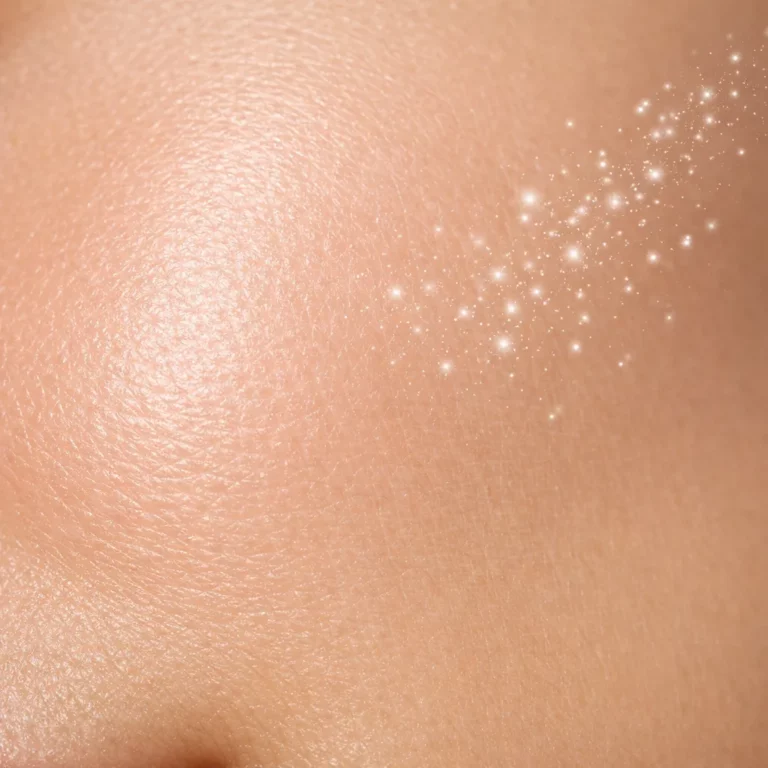
No, chemical peels cannot physically shrink your pores. Pore size is primarily determined by genetics and cannot be permanently changed. However, chemical peels can make pores appear smaller by addressing factors that make them look larger, such as clogged pores, excess oil, and uneven skin texture.
Here’s how chemical peels improve pore appearance:
Exfoliation: Removes dead skin cells and debris, making pores look cleaner and less noticeable.
Oil Control: Reduces excess sebum that can stretch pores.
Collagen Boost: Stimulates collagen production, tightening the skin around pores for a smoother look.
Results vary based on the type of peel, skin condition, and consistency of treatments. Superficial peels (like glycolic or salicylic acid) are gentle but effective for refining pores, while medium-depth peels (such as TCA) can address deeper texture issues. A series of 3–6 sessions is typically needed for noticeable improvements, with ongoing maintenance required.
While chemical peels can’t permanently change pore size, they’re a great option for achieving smoother, clearer skin. Always consult a professional to determine the best treatment for your skin type and concerns.
Dermatologst's Guide To Chemical Peels | Doctorly Explains
How Chemical Peels Improve Pore Appearance
Chemical peels can help refine the look of pores by addressing several factors that make them appear larger. While they don’t change pore size permanently, they tackle issues like clogged pores and skin laxity, giving skin a smoother and more polished look.
Exfoliating and Clearing Pores
Chemical peels work by using acids to break down the bonds between dead skin cells in the outer layer, the stratum corneum. This exfoliation removes the uneven, rough surface that can cast shadows and make pores seem deeper.
These peels also target clogged pores by penetrating the openings and dissolving the buildup of oil, dead skin, and debris that leads to blackheads, whiteheads, and comedones. Salicylic acid is especially effective because it’s oil-soluble, allowing it to reach deep into the follicles to break apart compacted plugs. By clearing blockages, pores appear cleaner and less noticeable, and makeup application becomes smoother.
Controlling Excess Oil
For oily or acne-prone skin, chemical peels help reduce the excess sebum that makes pores look bigger. Acids in the peel dissolve surface oils and remove oil-trapping dead cells. Routine treatments every 4–6 weeks prevent keratin buildup and keep pores clear.
By maintaining cleaner pores, chemical peels also reduce the risk of bacterial growth and inflammation, resulting in smoother, healthier-looking skin.
Boosting Collagen for Firmer Skin
Chemical peels create controlled micro-injuries that stimulate collagen production. This process encourages fibroblasts to produce more collagen and elastin, thickening the skin’s dermal layer and firming the areas around each pore. Firmer skin is less likely to sag around pore openings, which makes them appear smaller and tighter.
Over time, increased collagen not only improves pore appearance but also enhances overall skin texture, reducing fine lines, minor acne scars, and rough patches for a more even and refined look.
In a typical U.S. med spa or dermatology clinic, someone with oily skin and noticeable pores on the nose and cheeks might start with a salicylic acid peel to address congestion and oil control. As the skin clears, treatments may shift to glycolic or TCA-based peels to refine texture and stimulate collagen for lasting results. Clinics like Calista Aesthetics often combine these treatments with a customized home care routine, including a gentle cleanser, non-comedogenic moisturizer, and SPF 30+ sunscreen, to protect the skin and maintain results between sessions. Tailored plans like these ensure the best outcomes over time.
Types of Chemical Peels for Pore Refinement
Chemical peels come in different depths and formulas, which influence their effectiveness and recovery time.
Superficial Peels: Gentle Exfoliation
Superficial peels are a mild option for refining pores. These peels work on the outermost layer of skin, the epidermis, using lower concentrations of acids.
Two popular ingredients in these peels are glycolic acid and lactic acid. Glycolic acid, known for its small molecular size, quickly penetrates the skin to exfoliate dead cells and encourage cell turnover. Research highlights its ability to significantly improve pore appearance. Lactic acid, on the other hand, provides a softer exfoliation while also hydrating the skin, making it a great choice for those with sensitive or dry skin. Both acids effectively break down the bonds holding dead skin cells together, clearing out debris and oil that can make pores look larger.
After a superficial peel, most people experience mild redness and light flaking for about one to three days. Gentle skincare routines – like using mild cleansers and applying a broad-spectrum SPF 30+ sunscreen – help ensure a smooth recovery. For optimal results, many medspas in the U.S. suggest scheduling a series of these peels every two to four weeks.
Medium Peels: Deeper Texture Improvement
Medium-depth peels go beyond the surface, reaching the upper dermis to deliver more noticeable improvements in pore size and skin texture. These peels often use stronger concentrations of trichloroacetic acid (TCA) or a combination of TCA with other active ingredients. They are particularly effective for addressing more severe concerns, such as enlarged pores linked to acne scars or sun damage.
By reaching the upper dermis, medium peels stimulate collagen and elastin production, which helps firm the skin and reduce the appearance of pores. However, these enhanced results come with longer downtime – patients typically experience significant redness, swelling, and peeling for about seven to ten days. Extra care is advised for individuals with darker skin tones or those prone to scarring.
Best Acids for Pore Concerns
The type of acid used in a peel can be tailored to specific pore issues:
Salicylic Acid: This oil-soluble beta hydroxy acid (BHA) penetrates deep into the pores, dissolving sebum and debris, making it ideal for oily or acne-prone skin.
Glycolic Acid: This alpha hydroxy acid (AHA) smooths the skin’s surface and boosts collagen production, helping to refine pores over time.
Lactic Acid: A gentler AHA that provides mild exfoliation and hydration, perfect for sensitive or dry skin with minor congestion.
Blended peels, which combine multiple acids, are another option for addressing multiple concerns. For instance, a peel that combines salicylic acid for deep pore cleansing with glycolic acid for surface smoothing can tackle both acne and uneven texture effectively.
At Calista Aesthetics, specialists assess your skin type, sensitivity, and treatment history to create a personalized chemical peel plan that balances pore refinement with your lifestyle and downtime needs.
Who Can Benefit from Chemical Peels for Pores?
Chemical peels can deliver noticeable improvements, but the results largely depend on your skin type and specific concerns. Knowing who is most likely to benefit – and who should approach with caution – can help set realistic expectations and ensure treatments are both safe and effective. Here’s a closer look at the skin types that often see the best results and important precautions to keep in mind.
Best Skin Types and Concerns
If you have oily, combination, or acne-prone skin, chemical peels can work wonders for refining your pores. These skin types tend to produce more sebum, which can stretch and clog pores, making them appear larger. Peels with salicylic acid are particularly effective because they penetrate deep into the pores to clear out sebum and debris. For those dealing with rough texture, mild acne scars, or dull skin, glycolic acid or blended peels can help by resurfacing the skin and boosting collagen production. In fact, clinical studies indicate that glycolic peels can reduce the appearance of visible pores by about 30%–35% [1].
Chemical peels also benefit individuals with comedonal acne by providing deep exfoliation, which clears out clogged follicles and smooths the skin’s surface.
Age and skin sensitivity play a role, too. Younger people with oily or acne-prone skin often tolerate stronger or more frequent peels, while those with mature or sensitive skin may need gentler formulations and longer intervals between treatments to avoid irritation.
Precautions and Contraindications
Not everyone is an ideal candidate for chemical peels. Certain conditions, like active skin infections, open wounds, or inflammatory skin issues, should be resolved before considering treatment.
If you’ve recently used oral isotretinoin (commonly known as Accutane), you’ll need to wait 6 to 12 months before undergoing medium or deep peels to reduce the risk of poor wound healing and scarring. Those with a history of keloids or hypertrophic scars may require modified treatment protocols, as even mild peels can sometimes trigger abnormal scarring.
For individuals with darker skin tones (Fitzpatrick types IV through VI), chemical peels can still be beneficial, but extra caution is necessary to prevent post-inflammatory hyperpigmentation (PIH). Controlled, superficial peels combined with diligent use of a broad-spectrum SPF 30+ sunscreen can help reduce this risk.
Pregnant or breastfeeding individuals are generally advised to avoid medium or deep peels. Additionally, if you’ve recently undergone waxing, laser treatments, or other procedures in the same area, it’s important to allow adequate recovery time to minimize irritation.
Before starting treatment, many providers recommend a few preparatory steps: pausing retinoids and strong exfoliants for several days, avoiding sun exposure, and sticking to a simple, hydrating skincare routine. For those prone to hyperpigmentation, a short course of brightening agents prescribed by a physician may also be suggested.
Personalized Treatment Plans at Calista Aesthetics
Once safety considerations are addressed, Calista Aesthetics creates a treatment plan tailored to your specific needs. During your consultation, their team evaluates factors like skin type, pore size, oil production, breakout patterns, past treatments, medical history, and current medications. This thorough assessment helps determine the ideal acid and treatment protocol for your concerns.
Typically, a personalized plan involves a series of superficial peels spaced a few weeks apart. Adjustments are made along the way based on how your skin responds. Once your skin stabilizes, complementary services like microneedling or customized skincare products can be added to maintain and enhance your results.
It’s important to set realistic expectations: while chemical peels can’t permanently shrink your pores, they can significantly improve their appearance by keeping them clear and improving skin texture and firmness.
“We’ll talk through options, map out our journey together, and begin gently.” – Calista Aesthetics
At Calista Aesthetics, every treatment is designed to balance pore refinement with your comfort, lifestyle, and downtime preferences.
Expected Results, Risks, and Aftercare
Knowing what to expect from chemical peels – including both the benefits and potential challenges – can help you make a more informed decision and achieve the best possible outcome.
What Results Can You Expect?
Chemical peels won’t permanently shrink your pores, but they can make them look smaller and less noticeable. This happens because the treatment clears out debris, smooths rough patches, and tightens the surrounding skin. Many people also notice fewer blackheads and whiteheads, along with a more even skin tone.
With a single superficial peel, you’ll likely see clearer, smoother skin within 3–7 days. However, for more lasting results, a series of 3–6 sessions is typically recommended. Over time, you may notice further improvements in pore appearance, better oil control, and smoother texture. Studies show that regular use of AHA and BHA peels can effectively reduce the visibility of enlarged pores by encouraging cell turnover and clearing out excess oil and dead skin cells [2].
Superficial peels are ideal for unclogging pores, reducing oiliness, and smoothing minor roughness, making them a great option for oily or combination skin prone to blackheads and mild congestion. Medium-depth peels go deeper, helping improve skin firmness, mild acne scars, and more noticeable texture issues, which can further refine the look of pores over time.
Your results will depend on several factors, including your skin type and condition. Younger individuals with active oiliness and clogged pores often see quicker results, while mature skin may benefit more from the collagen-boosting and firming effects. Consistency is key, and maintaining your results requires ongoing home care with non-comedogenic products and diligent sun protection.
While the benefits are clear, it’s equally important to understand the potential risks and the aftercare required for optimal results.
Risks and Side Effects
Although chemical peels can deliver impressive results, it’s important to be aware of possible side effects. Most are mild and temporary, including redness, swelling, dryness, peeling, and increased sensitivity to the sun and skincare products. These are all normal parts of the resurfacing process when performed by a skilled provider.
For superficial peels, side effects are usually mild and last anywhere from a few hours to about 3–5 days. You might experience light flaking or a feeling similar to a mild sunburn. Medium-depth peels, on the other hand, can lead to more noticeable redness, swelling, and peeling, which may last 7–10 days or longer, with a visible shedding phase before smoother skin appears.
More serious risks, though rare, include chemical burns, prolonged redness, post-inflammatory hyperpigmentation (dark spots), hypopigmentation (light spots), infections, and scarring. These complications are more likely if the peel is too strong, left on too long, or used on the wrong skin type. They’re also more common when performed by an untrained provider. Certain individuals, such as those with darker skin tones prone to hyperpigmentation, a history of keloids, very sensitive skin, or recent use of photosensitizing medications, may face higher risks.
Choosing a qualified professional is the best way to minimize these risks. A trained provider will assess your skin type, medical history, and current medications to select the safest peel for you. They’ll use medical-grade products, monitor your skin during the treatment, and adjust future sessions based on your skin’s response. Plus, they’ll provide personalized aftercare instructions to help you avoid complications.
“How do I know it’s safe? We explain every step, use proven products and techniques, and prioritize your comfort.” – Calista Aesthetics
At Calista Aesthetics, thousands of treatments have been performed for clients of all ages and skin types, with a focus on safe, expert care that minimizes risks while delivering great results.
Maintaining Results with Aftercare
Proper aftercare is essential for protecting your skin and maintaining the best results. For the first week to 10 days after your peel, stick to a gentle cleanser, a plain moisturizer, and a broad-spectrum sunscreen with SPF 30 or higher. Avoid scrubs, retinoids, and strong acids until your skin has fully healed. Resist the urge to pick or scratch at flaking skin, as this can lead to infections, dark spots, or compromised results.
Sun protection is especially important since freshly treated skin is more vulnerable to UV damage, which could undo your progress by causing dark spots. Make sunscreen a daily habit, even on cloudy days, and consider wearing hats or seeking shade when outdoors. Using non-comedogenic, fragrance-free products will also help keep your pores clear and reduce the risk of irritation during the healing phase.
For long-term results, continue using non-comedogenic skincare and practice strict sun protection. Incorporating targeted products, such as low-dose salicylic acid for oil control or retinoids (with your provider’s approval) for cell turnover, can help keep pores clear between professional treatments.
Many experts recommend maintenance peels every 1 to 3 months, depending on your skin type and goals, to preserve smoother texture and refined pores. Lifestyle choices like avoiding smoking, managing stress, staying hydrated, and eating a balanced diet also contribute to healthier, long-lasting results.
At Calista Aesthetics, your treatment plan is tailored to your needs, combining a series of peels with recommended home care products. When appropriate, your provider may also suggest additional treatments, such as microneedling, to further enhance skin firmness and pore appearance. These treatments are carefully scheduled around your peels to ensure optimal healing and results. Over time, with consistent care and professional guidance, you can achieve smoother, healthier-looking skin.
Conclusion: Are Chemical Peels Right for You?
Chemical peels won’t alter the structure of your pores, but they can dramatically minimize their appearance. By clearing out oil and debris while tightening the skin, peels leave your complexion looking smoother and more refined, making pores seem smaller and less noticeable.
For the best results, consistency is key. While a single peel can brighten your skin and reduce congestion, a series of treatments – usually three to six sessions spaced a few weeks apart – delivers the most noticeable improvements for pore refinement. Clinical studies back up these benefits, showing that regular treatments can significantly enhance skin texture and clarity.
Choosing the right peel isn’t a one-size-fits-all process, though. Factors like your skin type, medical history, and specific concerns play a big role in determining the appropriate strength and type of acid. For instance, salicylic acid is often recommended for oily or acne-prone skin, while glycolic acid works well to improve texture. That’s why professional guidance is so important. An experienced provider can assess your needs, screen for potential risks, and create a personalized treatment plan to ensure safe, effective results. At Calista Aesthetics, treatments are carefully tailored to your unique skin, combining proven techniques with expert care to help you reach your goals.
If refined pores and smoother skin are on your wish list, a consultation with a skilled provider is the first step. At Calista Aesthetics, clients receive customized chemical peel treatments designed to address enlarged pores, oily skin, and uneven texture. The team has years of experience, having performed thousands of treatments for a wide range of skin types and ages. They prioritize honest recommendations, transparent pricing, and a comfortable environment where you’re always in control of the process.
“Curious and cautious? You’re not alone. We’ll talk through options, map out our journey together, and begin gently.” – Calista Aesthetics
Ready to take the next step? Schedule a consultation today to create a treatment plan tailored to your skin’s needs. With expert support and a commitment to regular care, you can achieve smoother, healthier-looking skin and a more refined pore appearance.
FAQs
The frequency of chemical peels varies based on your skin type, the peel’s intensity, and your skincare goals. Generally, lighter peels can be done every 4–6 weeks to help improve skin texture and minimize the look of pores over time. Medium or deeper peels, however, typically require more recovery time, so they’re often spaced out by several months.
For the best results, it’s wise to consult a skincare professional who can design a treatment plan tailored to your needs. At Calista Aesthetics, our experts focus on helping you achieve glowing, healthy skin while prioritizing its overall well-being.
To get the best results after a chemical peel, taking care of your skin properly is a must. Stay out of direct sunlight and use a broad-spectrum sunscreen with at least SPF 30. Your skin will be extra sensitive to UV rays, so protecting it is crucial.
Keep your skin well-moisturized with a gentle, fragrance-free product to help it heal and prevent dryness. Resist the urge to pick at or peel flaking skin – doing so can lead to irritation or even scarring. Stick to using a mild cleanser and steer clear of harsh exfoliants, retinoids, or products with alcohol until your skin has fully recovered.
If you notice redness or feel any discomfort, applying a cool compress can provide some relief. And, of course, always follow any specific aftercare instructions given by your skincare professional to ensure the best outcome.
Choosing the right chemical peel depends on your skin type, your skincare goals, and how much downtime you’re willing to manage. Superficial peels work on the outermost layer of your skin. They’re perfect if you’re looking for mild pore refinement and a refreshed appearance without much recovery time. On the other hand, medium-depth peels go deeper into the skin, offering more noticeable changes for issues like enlarged pores. However, these peels often come with a longer recovery period.
To get the most out of a chemical peel, it’s essential to consult with a skincare professional who can evaluate your skin and recommend the best option for your unique needs. At Calista Aesthetics, we focus on tailored skincare treatments designed to help you achieve balanced, natural-looking results.