

Chemical Peels vs Retinoids for Hyperpigmentation
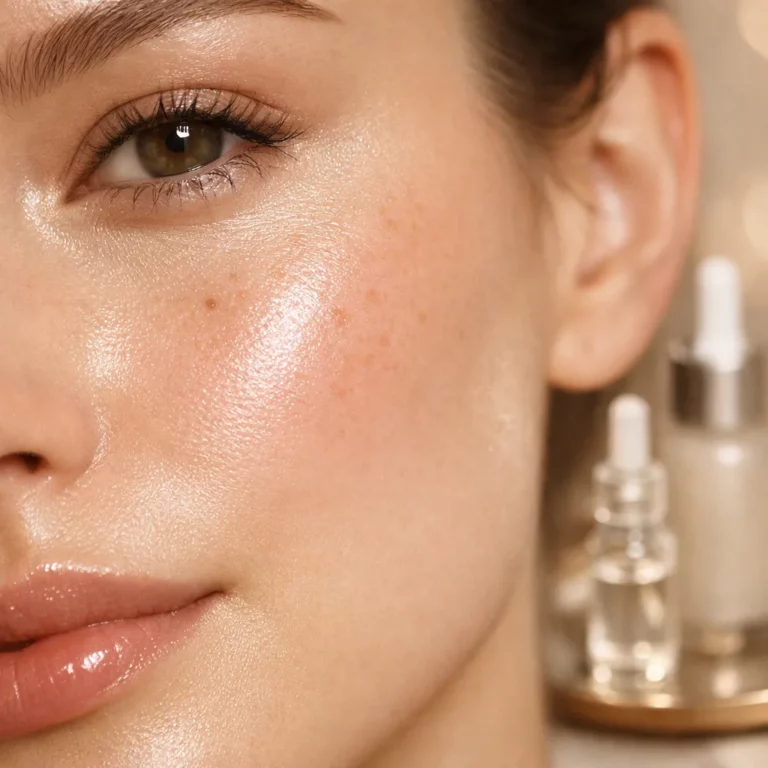
Struggling with hyperpigmentation? Chemical peels and retinoids are two popular treatments that work in different ways to improve uneven skin tone. Here’s what you need to know:
Chemical Peels: These treatments use acids to exfoliate and remove pigmented skin layers. They deliver faster results but may require downtime depending on the peel’s depth.
Retinoids: These topical products regulate melanin production and promote cell turnover. They work gradually but are great for long-term skin maintenance.
Both options are effective, but they suit different needs. Chemical peels are better for quick, targeted improvements, while retinoids excel at daily care and prevention.
Quick Comparison:
Factor | Chemical Peels | Retinoids |
|---|---|---|
Function | Exfoliates pigmented skin layers | Regulates melanin and promotes cell renewal |
Results Timeline | Visible in 1–3 sessions | Gradual improvement over 3–6 months |
Application | Periodic (every 2–4 weeks) | Daily (typically at night) |
Recovery | 1–10 days (varies by depth) | Minimal downtime but may cause dryness |
Best For | Severe or localized pigmentation | Maintenance and mild-to-moderate concerns |
For faster results, chemical peels are ideal. For steady, long-term improvement, retinoids are the go-to. Combining both under professional guidance can maximize benefits while minimizing risks.
CHEMICAL PEELS | the good, the bad & my choice peel
How Chemical Peels Work for Hyperpigmentation
Chemical peels rely on acid solutions to create a controlled exfoliation, encouraging damaged skin cells to shed and revealing healthier, more even-toned skin. When the peel reaches the basal layer of the epidermis – where melanocytes (the cells responsible for pigmentation) reside – it directly addresses uneven pigmentation. This targeted process lays the groundwork for understanding the different types of peels and their specific benefits.
The procedure begins with cleansing the skin to remove oils and impurities, ensuring an even application of the acid solution. During the application, patients typically experience a warm, tingling sensation. Clinicians monitor for “frosting”, which indicates the depth of the peel. For certain acids, such as glycolic acid, a neutralizing agent is applied to stop the chemical reaction at the desired depth.
Types of Chemical Peels
The depth of a chemical peel determines how deeply it penetrates the skin and how effectively it treats hyperpigmentation.
Light (Superficial) Peels: These target only the epidermis and are often formulated with glycolic acid (30–50%), salicylic acid, or Jessner’s solution. They are ideal for mild hyperpigmentation and uneven skin tone.
Medium-Depth Peels: These penetrate deeper, reaching the upper reticular dermis. Common agents include 35% TCA combined with Jessner’s solution or 70% glycolic acid. They are suitable for addressing more pronounced pigmentation issues.
Deep Peels: These reach the mid-reticular dermis and use agents like phenol or high-concentration TCA. They are reserved for severe cases, such as deep scars or extensive photoaging.
For individuals with darker skin tones (Fitzpatrick types III–VI), there is a higher risk of post-inflammatory hyperpigmentation. To minimize this risk, a priming regimen is typically recommended 2 to 4 weeks before the peel. This often involves topical agents like tretinoin (0.025–0.05%) or hydroquinone, which help thin the outermost skin layer and improve peel penetration. These careful preparations and techniques play a significant role in achieving effective results while reducing complications.
Benefits and Recovery Time
Chemical peels remove melanin-rich skin layers while encouraging the production of new keratinocytes and boosting collagen and elastin levels in the dermis. The outcome? Smoother, brighter, and more evenly toned skin.
Recovery time depends on the depth of the peel:
Light peels heal within 1 to 7 days, with mild redness and scaling.
Medium-depth peels take about 2 weeks for the skin to crust and peel, and redness may linger for several months.
Strict sun protection is vital both before and after treatment to prevent rebound hyperpigmentation or permanent discoloration. After light peels, non-comedogenic moisturizers and mineral-based sunscreens are recommended. For deeper peels, more specific post-care instructions may be required to lower the risk of infection. Avoiding the temptation to pick or peel the shedding skin is critical to prevent scarring or infection. By precisely targeting melanin-rich layers, chemical peels help reduce hyperpigmentation and promote a more even complexion.
Results and Treatment Frequency
Results from light peels become noticeable within 1–7 days as the skin completes the peeling process. For optimal outcomes, 3 to 5 sessions of light peels are usually recommended, spaced 2 to 5 weeks apart. Medium-depth peels are typically repeated every 3 to 9 months, while deep peels are often a one-time treatment due to their intensity.
Chemical peels are a popular choice for addressing hyperpigmentation, with over 11 million procedures performed annually worldwide [7].
Peel Depth | Target Layers | Common Agents | Recovery Time | Treatment Frequency |
|---|---|---|---|---|
Light (Superficial) | Epidermis only | Glycolic acid (30–50%), Salicylic acid, Jessner’s solution | 1–7 days | Every 2–5 weeks |
Medium | Epidermis to upper dermis | 35% TCA with Jessner’s or 70% Glycolic acid | About 2 weeks | Every 3–9 months |
Deep | Mid-reticular dermis | Phenol, Croton oil, TCA >50% | Approximately 2 weeks | Once in a lifetime |
How Retinoids Work for Hyperpigmentation
Retinoids tackle hyperpigmentation by slowing down tyrosinase transcription, a key enzyme in melanin production, and speeding up the skin’s natural cell turnover. This process helps shed pigmented skin cells and redistributes melanin granules more evenly across the skin[8][9]. These actions form the foundation for the various retinoid formulations designed to address hyperpigmentation issues.
When used consistently as a daily topical treatment, retinoids not only lighten dark spots but also provide anti-inflammatory benefits, which can be particularly helpful in managing post-inflammatory hyperpigmentation (PIH)[3][9].
Types of Retinoids
The retinoid family includes both over-the-counter and prescription products, each offering different levels of effectiveness for treating dark spots:
Over-the-counter retinol: This option requires the skin to convert it into retinoic acid, making it a gentler choice for addressing mild hyperpigmentation[10].
Prescription-strength tretinoin: Known as all-trans retinoic acid, tretinoin is one of the most studied retinoids for pigmentation issues. It comes in concentrations ranging from 0.025% to 0.1%. A clinical trial spanning 40 weeks showed that 0.1% tretinoin cream lightened hyperpigmented lesions by 40%, compared to an 18% improvement in the control group[8][2].
Third-generation synthetic retinoids: Options like adapalene and tazarotene provide targeted benefits. For example, a study revealed that 20% of patients using 0.1% tazarotene cream achieved complete resolution of PIH by week 16, compared to 7% of those using 0.3% adapalene gel[4]. Additionally, polymeric emulsion lotions, such as tazarotene 0.045% or tretinoin 0.05%, help distribute active ingredients evenly, reducing the likelihood of irritation[1].
“Topical retinoids should be considered a first-line therapy in patients with acne and hyperpigmentation, unless contraindicated.” – Valerie D. Callender, MD, Professor of Dermatology[1]
Benefits and Side Effects
Retinoids are highly effective for lightening epidermal hyperpigmentation, such as tan or brown spots on the skin’s upper layers. They also improve overall skin texture and provide the dual benefit of addressing both active acne and the dark marks it leaves behind[1][3].
However, retinoid use isn’t without challenges. One common side effect is “retinoid dermatitis”, which can cause redness, peeling, and stinging. Studies indicate that 50% to 67% of patients using high-strength tretinoin (0.1%) experience these side effects[2][1]. Other issues include dryness and increased sensitivity to ultraviolet (UV) light[3][9].
For individuals with darker skin tones (Fitzpatrick types IV–VI), irritation from retinoids can sometimes lead to new PIH. To mitigate this risk, dermatologists often recommend starting with lower concentrations and gradually increasing usage as the skin adapts.
To minimize irritation:
Apply retinoids to a completely dry face (wait 20–30 minutes after washing).
Follow up with a non-comedogenic moisturizer.
Use a broad-spectrum sunscreen (SPF 30+ daily) to protect against UV exposure, which can worsen dark spots and counteract treatment effects[9][10].
Consistency is key, as visible results take time to develop.
Timeline for Results
When it comes to retinoids, patience pays off. Although cellular changes start quickly, noticeable improvements in pigmentation typically take 3 to 6 months of daily use. For more severe or deeper hyperpigmentation, it may take anywhere from 3 to 24 months to see full results[9][10].
“Primary acne lesions are likely to improve weeks before PIH resolves and helping patients manage their expectations may reduce frustration.” – Valerie D. Callender, MD, Howard University College of Medicine[1]
Unlike treatments like chemical peels, which can deliver faster results, retinoids offer a slow but steady path to brighter, more even skin over the long term.
Retinoid Type | Common Concentrations | Primary Use | Potency Level |
|---|---|---|---|
Retinol (OTC) | Varies (often 0.15%+) | Mild discoloration, brightening | Low to Moderate |
Adapalene | 0.1%, 0.3% | Acne with mild PIH | Moderate |
Tretinoin | 0.025%, 0.05%, 0.1% | PIH, melasma, photoaging | High |
Tazarotene | 0.045%, 0.1% | Acne-induced PIH, stubborn melasma | Very High |
Chemical Peels vs Retinoids: Direct Comparison
Chemical peels and retinoids tackle hyperpigmentation in distinct ways. Chemical peels rely on exfoliating acids like glycolic, lactic, or salicylic acid to slough off dead skin cells and boost cell turnover [11]. Retinoids, on the other hand, dive deeper into the skin’s layers to stimulate renewal, prevent melanin transfer to skin cells, and regulate follicular differentiation [1].
The main difference lies in how quickly results appear. Chemical peels can deliver noticeable radiance within days, while retinoids take weeks or even months to show visible improvement [11][1].
Comparison Table
Factor | Chemical Peels | Retinoids |
|---|---|---|
Primary Function | Quick exfoliation and surface renewal | Long-term cellular repair and pigment control |
Application Frequency | Periodic (every 2–4 weeks) | Daily (usually at night) |
Visible Results | Immediate glow; noticeable changes in 1–3 sessions | Gradual improvement over 12–16 weeks |
Recovery Time | 1–10 days (depending on strength) | Minimal downtime, though dryness may occur initially |
Common Side Effects | Redness, peeling, and a temporary risk of PIH | Dryness, redness, and potential retinoid dermatitis |
Best For | Severe, localized pigmentation or melasma | Maintenance, prevention, and mild-to-moderate hyperpigmentation |
Target Layers | From the outermost layer to the mid-dermis | Primarily the epidermis and deeper cellular levels |
Which Treatment Fits Your Needs
The table highlights the key distinctions to help you decide which option aligns with your goals.
If you’re looking for quick results, chemical peels are ideal for targeting stubborn pigmentation, melasma, or deep acne scars. A series of 3 to 6 treatments often yields the best results for hyperpigmentation [13]. Peels are especially effective for localized concerns, delivering noticeable improvements in a shorter time compared to topical treatments.
Retinoids, however, are better suited for ongoing care and prevention. They’re a solid choice for addressing acne-related pigmentation and maintaining skin health. Though slower to show results, retinoids are great for managing active acne and fading dark spots over time, typically requiring 2 to 6 months to see changes [1].
“For fast pigmentation correction, go with a chemical peel; for subtle glow over time, stick to retinol peels.”
– Dr. Jagatjit Singh Kohli, MBBS, Masters in Clinical Dermatology [12]
For individuals with darker skin tones, it’s best to approach with caution. Opt for superficial peels and low-strength retinoids to reduce the risk of post-inflammatory hyperpigmentation (PIH).
Next, let’s dive into how combining these treatments might amplify their benefits.
Using Chemical Peels and Retinoids Together
Pairing chemical peels with retinoids tackles hyperpigmentation from two angles – on the surface and deep within the skin. Chemical peels exfoliate the outer layer of dead skin, allowing retinoids to penetrate more effectively and work at a cellular level to prevent new pigmentation. The result? A peel delivers a noticeable glow within days, while retinoids provide ongoing pigment control over weeks and months [11]. This combination has shown promising results in clinical settings.
Benefits of Combined Treatment
A 2012 case series involving eight patients (ages 25–63) with mild-to-moderate hyperpigmentation revealed impressive outcomes. Participants underwent one in-office superficial peel followed by a 12-week home regimen that included 4% hydroquinone and tri-retinol. The results? All patients experienced at least a 25% improvement, and 75% of them saw a 50–75% improvement [14]. Additionally, every participant rated their experience as either “excellent” or “good.”
“The combination of in-office procedures and maintenance therapies has been shown to provide greater efficacy than either treatment alone.”
– Dr. Joel L. Cohen, MD, AboutSkin Dermatology and DermSurgery [14]
However, professional guidance is key when combining these treatments. Retinoids should be paused 3–5 days before a peel and reintroduced 3–7 days afterward. Start reintroducing them on alternate nights, and always use a broad-spectrum SPF to protect your skin [11][15].
Calista Aesthetics Treatment Plans
Calista Aesthetics builds on this effective strategy with chemical peel treatments priced between $325 and $375 per session. Their approach combines in-office peels with personalized skincare plans, including at-home retinoid-based regimens, to address hyperpigmentation. This ensures both immediate results and long-term prevention, tailored to individual skin needs.
Choosing the Right Treatment for Your Skin
Deciding between chemical peels, retinoids, or a combination of both depends on factors like your skin type, the severity of pigmentation, and your lifestyle. Chemical peels are known for delivering quicker, surface-level results, making them a go-to option for noticeable improvements or stubborn dark spots [5]. Retinoids, on the other hand, work at a slower pace but shine when it comes to long-term maintenance, helping to prevent new pigmentation while improving fine lines and overall skin texture [11]. Your skin tone also plays a significant role in determining the best treatment.
For individuals with darker skin tones (Fitzpatrick IV–VI), there’s a higher risk of post-inflammatory hyperpigmentation when using stronger peels [5]. Dr. Debra Wattenberg, a board-certified dermatologist, emphasizes:
“The deeper the peel, the darker your skin, the riskier the procedure, and therefore the need to see a more trained and qualified professional” [5].
For those with sensitive or deeply pigmented skin, starting with prescription retinoids and opting for superficial peels under expert supervision can help minimize these risks.
Your daily routine and ability to manage recovery time are also important considerations. Recovery varies depending on the depth of the treatment – lighter peels heal quickly, while deeper ones require more downtime [6]. Retinoids, used nightly, can initially cause dryness or mild purging [2]. Regardless of the treatment, daily application of a broad-spectrum SPF 30+ sunscreen is essential to avoid UV-induced pigmentation relapse [6].
Professional guidance is crucial to avoid over-exfoliation or mismatched treatments. At Calista Aesthetics, personalized consultations ensure that your specific concerns – whether melasma, sun damage, or acne scars – are matched with the right treatment depth and frequency. Their chemical peel services can be seamlessly paired with tailored at-home retinoid routines for a thorough approach to pigmentation control.
In many cases, combining both treatments offers the best results. Chemical peels provide rapid improvements, while retinoids maintain and enhance those results over time [11]. This dual approach tackles hyperpigmentation from different angles, ensuring effective results while addressing the unique needs of your skin type and goals.
FAQs
Yes, pairing a light in-office chemical peel with a retinoid-based skincare routine can improve the appearance of hyperpigmentation. That said, it’s crucial to give your skin enough time to heal after the peel before reintroducing retinoids, as using them too soon can lead to irritation. For the best results, work with a skincare professional to develop a tailored plan that considers both your goals and your skin’s sensitivity.
Chemical peels can be a safe option for darker skin tones when done properly, but they aren’t without risks. Potential issues include post-inflammatory hyperpigmentation, uneven skin tone, extended irritation, or even scarring if the peel’s type or strength isn’t suitable for your skin.
To reduce these risks, it’s essential to seek out a qualified professional who knows how to customize treatments for your specific skin type. They can recommend the right peel and guide you through proper aftercare to lower the chances of any complications. Always consult with an experienced expert before beginning any chemical peel treatment.
Retinoids require patience, as they typically take a few weeks of consistent use to begin showing results on hyperpigmentation. Most people notice visible improvements after about 8 to 12 weeks of nightly application. They work by gradually increasing cell turnover, which helps fade dark spots over time.
On the other hand, chemical peels tend to offer faster, more noticeable changes. After a professional peel, the skin usually starts peeling within 3 to 7 days, revealing a brighter and smoother appearance. For longer-lasting results, a series of light to medium peels is often recommended every 2 to 5 weeks.
For those seeking tailored solutions, Calista Aesthetics provides both in-office chemical peels and personalized retinoid skincare plans designed to target hyperpigmentation effectively.