

How to Choose Sunscreen for Aging Skin
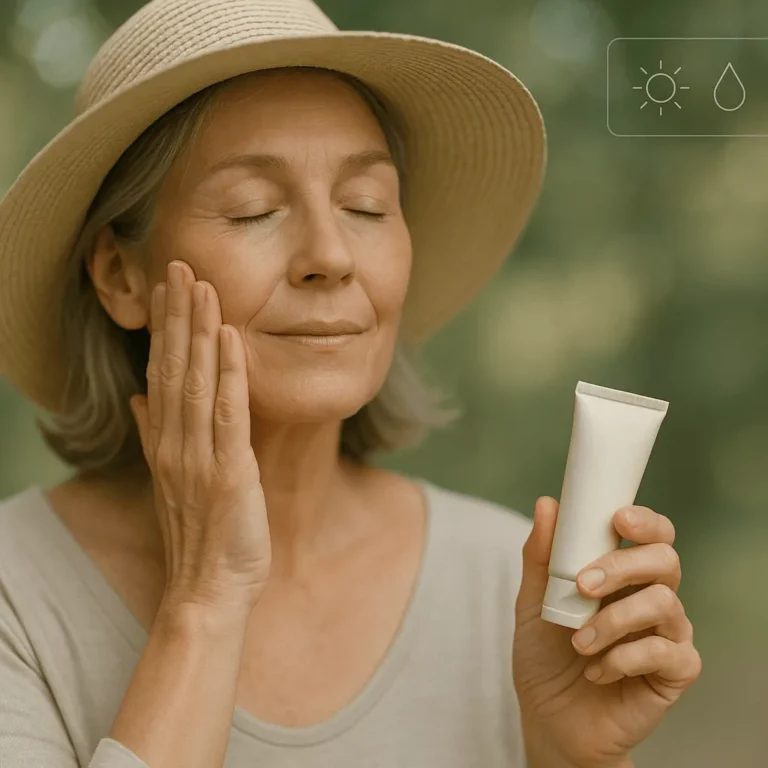
Aging skin is more sensitive to UV damage due to reduced collagen, elasticity, and moisture. Sunscreen is essential to prevent wrinkles, dark spots, and loss of firmness caused by UVA and UVB rays. For aging skin, choose a broad-spectrum sunscreen with SPF 30 or higher that includes hydrating ingredients like hyaluronic acid, squalane, and antioxidants such as vitamin C or niacinamide. Mineral sunscreens with zinc oxide are often gentler and less irritating for mature skin. Avoid fragrances, alcohol, and chemical filters like oxybenzone, which can cause irritation.
Quick Tips:
Use SPF 30+ with broad-spectrum protection.
Opt for mineral sunscreens for sensitive or dry skin.
Look for added hydration and antioxidants.
Apply sunscreen daily and reapply every 2 hours.
Consistency is key – use sunscreen as part of your daily routine to protect your skin and slow visible aging over time.
Skincare in Your 40s: A Dermatologist’s Guide to Healthy, Glowing Skin
How Aging Skin Responds to Sun Exposure
As skin matures, it becomes more vulnerable to the effects of UV rays. Aging brings about changes that make the skin less equipped to handle sun exposure compared to younger skin.
Why Aging Skin Is More Vulnerable to UV Damage
With age, the skin loses some of its natural defenses. Melanin production decreases, and collagen starts to break down, leaving the skin more exposed to UV damage. The structural integrity of the skin weakens as collagen and elastin fibers deteriorate, making it thinner and less resilient. UVA rays accelerate collagen loss and deepen fine lines, while UVB rays cause surface burns and lasting cellular damage.
Another factor is the slower cell turnover that comes with aging. This delay allows UV-induced pigment changes and DNA damage to build up over time. According to the American Academy of Dermatology, up to 80% of visible aging signs – like wrinkles, dark spots, and loss of firmness – are linked to UVA and UVB exposure [3]. These changes not only affect appearance but also increase the risk of various skin concerns.
Common Skin Issues to Address
Mature skin faces unique challenges when exposed to the sun. Reduced oil production leads to dryness, weakening the skin barrier and making it more prone to irritation. Thinner skin also becomes more sensitive, which can result in redness or stinging when exposed to certain chemical filters, such as oxybenzone and octinoxate. Additionally, sluggish cell turnover exacerbates uneven tone and hyperpigmentation, which worsen with sun exposure.
Given these factors, sunscreens designed for aging skin need to go beyond just blocking UV rays. They should also provide hydration and cater to the skin’s increased sensitivity to ensure comprehensive protection.
Best Sunscreen Ingredients for Aging Skin
When selecting sunscreen for mature skin, the formulation matters. A well-chosen sunscreen not only shields against UV damage but also addresses common concerns like increased sensitivity and dryness.
Mineral vs. Chemical Sunscreens: Key Differences
Mineral sunscreens, featuring zinc oxide and titanium dioxide, create a physical barrier on the skin’s surface to reflect UV rays. These ingredients are FDA-approved and start working immediately after application.
Chemical sunscreens, on the other hand, absorb UV rays and convert them into heat. Common chemical filters include avobenzone, oxybenzone, and octinoxate. These sunscreens typically take 15–30 minutes to become effective and may cause irritation, especially for those with sensitive or aging skin.
For mature skin, dermatologists often recommend mineral sunscreens due to their gentler nature and lower risk of irritation. Zinc oxide is particularly valued as a dependable natural sunscreen ingredient, offering both safety and effectiveness, making it ideal for sensitive or post-procedure skin.
Feature | Mineral Sunscreens (e.g., Zinc Oxide, Titanium Dioxide) | Chemical Sunscreens (e.g., Avobenzone, Oxybenzone, Octinoxate) |
|---|---|---|
UV Protection | Broad-spectrum (UVA & UVB) | Varies by ingredient; usually combined for full coverage |
Onset of Protection | Immediate | 15–30 minutes after application |
Irritation Potential | Low (great for sensitive/aging skin) | Higher risk of irritation or allergic reactions |
Application | Sits on the skin’s surface | Absorbed into the upper skin layers |
Cosmetic Effect | May leave a white cast (improving with newer formulas) | Typically blends invisibly |
In addition to UV protection, other ingredients can enhance the benefits for aging skin.
Antioxidants and Hydrating Ingredients
Aging skin often experiences reduced moisture and antioxidant levels, making supportive ingredients essential. Antioxidants like vitamin C and vitamin E combat free radicals caused by sun exposure, helping to reduce oxidative stress and support collagen production. Niacinamide is another excellent addition, as it improves skin texture, minimizes fine lines, and provides anti-inflammatory benefits.
For hydration, ingredients like hyaluronic acid and squalane are key. Hyaluronic acid, known for its ability to hold up to 1,000 times its weight in water, ensures lasting hydration, while squalane helps lock in moisture and strengthen the skin barrier. These ingredients work together to boost skin plumpness and address the dryness often seen in mature skin.
A sunscreen that combines zinc oxide with antioxidants and hydrating agents offers comprehensive protection while addressing the unique needs of aging skin.
Ingredients to Avoid
Certain ingredients can irritate aging or sensitive skin and are best avoided. Fragrances, alcohol, and dyes may disrupt the skin barrier or cause allergic reactions. The American Academy of Dermatology recommends steering clear of sunscreens with unnecessary additives when caring for sensitive or aging skin.
Additionally, some chemical filters, like oxybenzone and octinoxate, may increase irritation risks and have raised environmental concerns, particularly regarding coral reefs.
Opt for fragrance-, alcohol-, and dye-free, non-comedogenic sunscreens to minimize irritation and protect the skin barrier. For tailored advice, consider consulting a skincare professional. Clinics such as Calista Aesthetics can help you find a sunscreen that supports your skin’s long-term health and specific needs.
Selecting the Right SPF and Formula Type
When it comes to protecting aging skin, picking the right SPF and sunscreen formula is key. It’s all about finding the right balance between effective protection and something you’ll use daily. Let’s break down the essentials for SPF levels and formulas designed for mature skin.
Why SPF 30 or Higher Matters
Dermatologists agree: SPF 30 or higher is a must for aging skin. Here’s why – SPF 30 blocks 97% of UVB rays, while SPF 50 blocks 98%. That extra protection makes a big difference compared to lower SPFs.
Equally important is broad-spectrum protection, which defends against both UVA and UVB rays. As skin ages, it becomes thinner, produces less collagen, and renews cells more slowly. This makes it more prone to UV damage, so comprehensive protection is a non-negotiable.
For the best results, pair sunscreen with protective clothing, hats, and shade to guard against photoaging.
Picking the Best Formula for Your Skin
The right sunscreen formula depends on your skin type and lifestyle. Here’s a quick guide:
Creams and lotions: Ideal for dry, mature skin. These formulas provide much-needed hydration while protecting against the sun. They’re easy to apply evenly, so you don’t miss any spots.
Sticks: Perfect for delicate areas like the eyes, nose, and lips. They’re also great for reapplying over makeup without messing up your look.
Sprays: Handy for covering large areas quickly. Just make sure to apply evenly for full protection. For your face, spray into your hands first to avoid inhaling particles and ensure complete coverage.
For everyday facial use, creams or lotions with added moisturizing ingredients are usually the best bet. These formulas often come with extra features that go beyond basic sun protection.
Features That Benefit Aging Skin
Modern sunscreens do more than just block UV rays – they can also address specific needs of aging skin. Look for these helpful features:
Moisturizing ingredients: Options with squalane, hyaluronic acid, or niacinamide combat dryness while protecting your skin. These multi-taskers simplify your routine and keep your skin hydrated all day.
Tinted, water-resistant formulas: Tinted sunscreens with iron oxides add extra protection against visible light and help even out skin tone, reducing the appearance of age spots. Water-resistant options are great for outdoor activities.
Non-greasy, makeup-friendly textures: Lightweight formulas that work well under makeup encourage daily use. Some even include peptides or DNA repair enzymes to support skin repair while offering sun protection.
For tailored advice, consult a skincare professional, like those at Calista Aesthetics, to ensure your sunscreen complements your overall skincare routine and treatments.
How to Apply Sunscreen for Best Results
To get the most out of your sunscreen, applying it the right way is crucial. Proper application helps protect aging, delicate skin from harmful UV rays.
Proper Application Technique
For full-body coverage, use about one ounce (roughly two tablespoons) of sunscreen. For your face, a nickel- to quarter-sized amount should do the trick[1]. Gently pat the sunscreen into your skin using your fingertips to avoid irritation[1][4].
Don’t forget those easy-to-miss spots like your ears, the back of your neck, your hairline, the tops of your feet, and the area around your eyes. These areas often have thinner skin, making them more vulnerable to sun damage and signs of aging.
If you’re layering sunscreen with other skincare products, timing matters. Sunscreen should always be the last step in your morning skincare routine – apply it after cleansing, toning, serums, and moisturizer, but before any makeup[1][5]. Make sure each product has fully absorbed before moving to the next. If you’re wearing makeup, let your sunscreen set for 1–2 minutes before applying primer or foundation.
For chemical sunscreens, give it about 20 minutes to absorb into your skin before stepping into the sun[4]. On the other hand, mineral sunscreens offer immediate protection, making them a gentler option for aging skin.
When and How to Reapply
Reapplication is just as important as the initial application. Sunscreen should be reapplied every two hours and immediately after swimming, sweating, or towel drying to maintain its effectiveness[1][3].
If you’re spending extended time outdoors, especially during peak sun hours, plan to reapply 3–4 times throughout the day[4]. While water-resistant sunscreens provide some added durability, they are not waterproof, so consistent reapplication is essential.
Reapplying sunscreen over makeup can feel tricky, but there are convenient solutions. Sunscreen powders or mineral formulations can be lightly dusted over makeup. Alternatively, sunscreen mists can be sprayed into your hands and gently patted onto your face. Sunscreen sticks are another great option for touch-ups on areas like your nose, cheeks, and forehead[1]. Choose a method that works best with your routine to keep your skin protected all day.
For complete sun protection, sunscreen alone isn’t enough. Combine it with protective clothing, a wide-brimmed hat, and seek shade during peak sun hours (10 a.m. to 4 p.m.)[1][2].
If you’re undergoing professional treatments or have specific skin care goals, consult with the experts at Calista Aesthetics for personalized sun protection advice.
Getting Professional Skincare Advice
Choosing the right sunscreen for aging skin isn’t always straightforward, and that’s where expert advice comes in. Did you know that sun exposure is responsible for up to 90% of visible aging signs[3]? While over-the-counter products are easy to grab, mature skin often needs specialized formulations designed to combat UV damage effectively.
Mature skin has its own unique challenges – thinner texture, reduced collagen production, and accumulated sun damage. A board-certified dermatologist or skincare professional can evaluate your skin type, medical history, and lifestyle to recommend products that address these specific needs. This kind of personalized approach ensures your skincare routine works harmoniously with other proactive measures you’ve already adopted.
During a consultation, experts take a close look at your individual risk factors. They can determine whether you need a higher SPF, a mineral-based sunscreen, or additional protective measures. This kind of tailored advice helps you avoid common mistakes, like picking a sunscreen with insufficient SPF, skipping broad-spectrum coverage, or using products that might exacerbate dryness or irritation. Working with a professional ensures your sunscreen supports your overall anti-aging strategy.
At Calista Aesthetics, consultations go beyond surface-level advice. Their team listens carefully to your concerns and goals, creating a personalized plan that aligns with your needs.
“Our experts listen, personalize your plan, and build trust through transparency.”
The process includes a thorough skin assessment, factoring in your medical history, current skincare routine, and daily sun exposure habits. With experience spanning thousands of treatments for various skin types and ages, their professionals can recommend sunscreens that fit seamlessly into your regimen. These recommendations often complement other anti-aging treatments like chemical peels or microneedling.
Before your consultation, come prepared. Make a list of your skincare products, allergies, medications, and any previous treatments. Be ready to discuss your daily habits and how much sun exposure you typically get. This information helps the experts tailor their advice to your specific needs.
Interestingly, only about 30% of Americans regularly use sunscreen on their face and exposed skin[3]. Confusion about which products to choose is a big reason why. Professional guidance can clear up the confusion, making it easier to stick to good habits and improve your skin’s long-term health. It’s also a good idea to review your skincare routine annually or whenever your needs change significantly.
Investing in professional advice pays off in the long run. Clinics often report better results for clients who follow customized skincare plans, with noticeable improvements in skin health and a reduction in visible aging signs over time.
Conclusion: Protect Your Skin for Long-Term Health
Selecting the right sunscreen for aging skin isn’t just about avoiding sunburn – it’s a key step in safeguarding your skin’s health over time. Studies show that consistent sunscreen use can cut your risk of squamous cell carcinoma by around 40% and reduce melanoma risk by 50%[3]. For skin already affected by UV damage, daily protection becomes even more crucial.
Opt for broad-spectrum sunscreens with SPF 30 or higher, especially those with mineral ingredients like zinc oxide for effective protection. Look for formulations enriched with antioxidants, hyaluronic acid, and peptides to help repair skin and maintain a smooth texture.
While drugstore options are convenient, the growing emphasis on personalized skincare highlights the importance of expert advice. A tailored approach ensures your sunscreen works seamlessly with your overall skincare routine. Professionals – like those at Calista Aesthetics – can offer guidance to fine-tune your choices and help you achieve better results.
Consistency is key. Even the most advanced sunscreen only works if you use it every day. Make it part of your morning routine, just like brushing your teeth, to keep your skin healthier and more resilient.
FAQs
Mineral and chemical sunscreens take different approaches to shield your skin from UV rays. Mineral sunscreens, with active ingredients like zinc oxide or titanium dioxide, form a physical barrier on the skin’s surface that reflects UV rays away. On the other hand, chemical sunscreens work by absorbing UV rays and turning them into heat, which is then released from the skin.
For aging skin, mineral sunscreens are often a better choice. They’re less likely to irritate sensitive or thinning skin and start working immediately after application. Plus, they typically contain fewer ingredients that could cause irritation, making them a gentler option for mature skin. When choosing a sunscreen, opt for a broad-spectrum formula with at least SPF 30 to ensure protection against both UVA and UVB rays.
Incorporating sunscreen into your daily routine is a must for keeping your skin protected from UV damage, especially as it ages. Every morning, make sure to apply a broad-spectrum sunscreen with at least SPF 30 as the last step in your skincare routine – right after your moisturizer. Don’t forget to cover all exposed areas like your face, neck, and hands.
For ongoing protection, reapply sunscreen every two hours when you’re outside, and even more often if you’re sweating or swimming. To make reapplication easier, you can use a powdered or spray sunscreen for quick touch-ups during the day. By making sunscreen part of your everyday habits, you’ll help guard your skin against premature aging and keep it looking healthy and vibrant.
To get the most out of your sunscreen and keep your skin looking its best as it ages, adding a few extra steps to your skincare routine can make all the difference. Start with hydration – a good moisturizer with ingredients like hyaluronic acid or ceramides can help your skin stay elastic and ward off dryness. Pair this with antioxidants like vitamin C or E serums to shield your skin from free radicals and strengthen its natural defenses.
Incorporating gentle exfoliation once or twice a week can also refine your skin’s texture and help other products absorb more effectively. For a more tailored approach, consider a personalized skincare plan – such as those available at Calista Aesthetics – to get expert advice and ensure your skin remains well-nourished and protected over time.