

How to Combine Peels and Skincare for Better Results
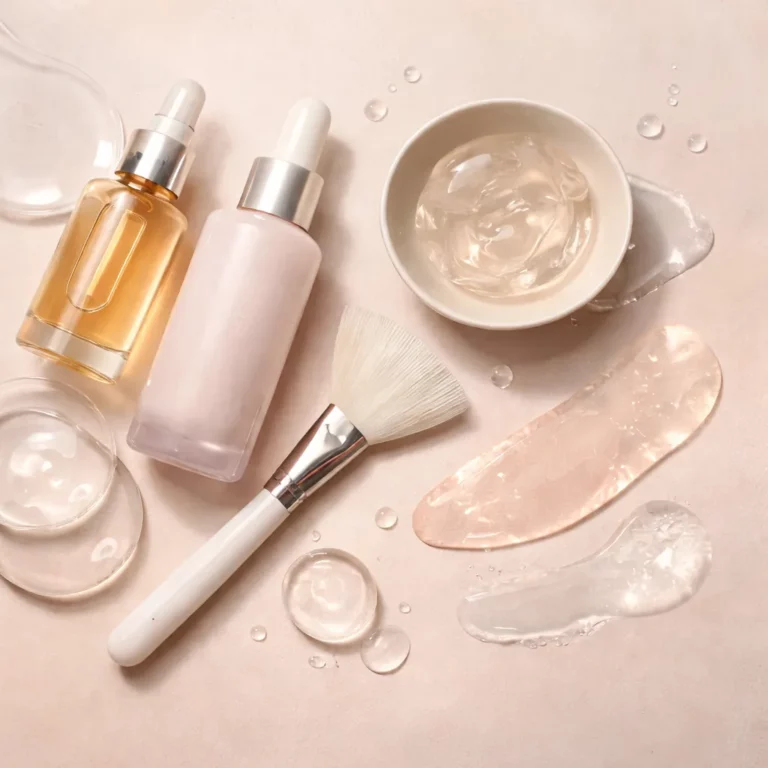
Combining chemical peels with a tailored skincare routine can significantly improve skin renewal, texture, and overall appearance. Peels remove dead skin layers, boosting the absorption of skincare products, while daily skincare maintains and extends the results. Here’s how to make the most of this combination:
Before a Peel: Prep your skin by discontinuing active ingredients (retinoids, AHAs) 5–7 days prior. Use sunscreen (SPF 30+) and switch to gentle cleansers and moisturizers.
After a Peel: Focus on hydration with ceramides and hyaluronic acid. Avoid active ingredients for 48–72 hours and protect your skin with mineral sunscreen.
Ongoing Care: Gradually reintroduce actives like Vitamin C, niacinamide, and exfoliating acids after a week or more, depending on peel depth.
Chemical peels like glycolic, salicylic, or TCA target specific concerns, such as fine lines, pigmentation, or acne scars, while skincare products enhance their effects. Pairing these methods ensures smoother, brighter skin over time. Proper preparation and aftercare are essential for safe and effective results.
Dermatologst's Guide To Chemical Peels | Doctorly Explains
Chemical Peels: What They Do and What to Know
A chemical peel is a skin treatment that uses a chemical solution to create controlled damage to the skin. This process triggers the skin’s natural healing response, leading to the production of collagen and elastin and the regeneration of fresh skin cells. The result? Smoother, more even skin replaces the damaged outer layers [10] [14] [12] [13].
In 2016 alone, more than 1.3 million chemical peels were performed in the U.S. [12] [13]. These treatments can address a variety of skin concerns, including fine lines, wrinkles, uneven texture, pigmentation issues, acne, and even actinic keratosis [4] [10].
Types of Chemical Peels and Their Uses
Chemical peels come in different strengths, each designed to target specific skin concerns. Here’s a breakdown of the main types:
Superficial Peels
These peels work on the outermost layer of skin, the epidermis, using mild acids like glycolic (30–50%), salicylic (30%), or lactic acid (10–30%). They’re great for treating fine lines, mild pigmentation, acne, and rough skin texture. With minimal downtime – just a few hours to a couple of days – they’re a popular choice. For example, glycolic acid helps break down sebum and dead skin in pores, while salicylic acid clears oil-clogged pores [12] [4] [15] [17].
Medium Peels
These go deeper, penetrating into the papillary dermis, and often use agents like TCA (35–50%) or 70% glycolic acid. They’re ideal for moderate wrinkles, sun damage, and acne scars. Recovery takes about 7 to 14 days. Jessner’s and TCA peels, in particular, are known for softening fine lines and improving leathery skin by boosting collagen production [12] [4] [16] [17].
Deep Peels
For more severe concerns like deep wrinkles, scars, or precancerous growths, deep peels use phenol or high-concentration TCA (above 50%). These peels require medical supervision and involve significant downtime – 14 to 21 days. Clinicians assess peel depth by observing “frosting”, where the skin turns white due to protein denaturation. The appearance of frosting helps determine the peel’s penetration level [12] [13].
Peel Type | Depth | Common Agents | Best For | Recovery Time |
|---|---|---|---|---|
Superficial | Epidermis only | Glycolic, Salicylic, Lactic | Fine lines, mild pigmentation, acne, rough texture | Hours to a few days |
Medium | Epidermis to dermis | TCA (35–50%), Glycolic 70% | Moderate wrinkles, sun damage, acne scars | 7 to 14 days |
Deep | Mid-reticular dermis | Phenol, TCA >50% | Severe wrinkles, deep scars, precancerous growths | 14 to 21 days |
Each type of peel offers specific benefits, but they also come with risks that need careful consideration.
Risks and How to Avoid Them
Chemical peels can deliver impressive results, but it’s important to understand the potential risks. Common immediate side effects include itching, burning, redness, swelling, and irritation. In rare cases, complications like bacterial or fungal infections, scarring, or pigment changes (like hyperpigmentation or hypopigmentation) can occur [18] [19] [10]. Deep phenol peels carry more serious risks, such as cardiac arrhythmias, especially if a full-face peel is done too quickly [14]. Salicylic acid peels can lead to a rare condition called salicylism, which causes symptoms like tinnitus, nausea, and dizziness [19] [10].
“In general, the deeper the peel, the greater the risk of side effects and complications.” – Cleveland Clinic [11]
Certain groups are more prone to complications, including individuals with darker skin tones (Fitzpatrick types IV–VI), those with a history of keloids, or anyone who has recently used isotretinoin. It’s recommended to stop isotretinoin 6 to 12 months before undergoing medium or deep peels to avoid impaired healing [19] [10].
Proper preparation can significantly lower these risks. Pre-treatment steps include starting a topical regimen with tretinoin or hydroquinone 2 to 4 weeks beforehand to thin the outer skin layer for more even results [18] [19]. For those with a history of cold sores, antiviral medications like acyclovir should be started two days before the procedure and continued for up to two weeks afterward [18] [19]. Avoiding sun exposure and using a broad-spectrum SPF 30 sunscreen are also crucial steps both before and after the peel [19] [4] [9].
Post-treatment care is just as important. Stick to mild cleansers and apply a simple ointment like white petrolatum to keep the skin hydrated and prevent scabbing [18] [19]. Avoid picking, peeling, or scratching the skin during the healing phase, as this can lead to permanent scarring or infections [18] [10]. While redness usually fades within 30 to 90 days, any signs of excessive swelling, pain, or infection should be reported to your provider immediately. Proper aftercare, which will be discussed in detail later, is key to achieving the best results while minimizing risks.
Selecting Skincare Products to Use with Chemical Peels
To get the most out of a chemical peel, pairing it with the right skincare products is key. Since a peel creates controlled damage to kickstart the skin’s healing process, it’s crucial to use products that help repair and maintain your skin without causing further irritation.
Post-peel care focuses on three main areas: hydration, repair/brightening, and gentle exfoliation. Because your skin is more delicate after a peel, start with mild, restorative ingredients and slowly reintroduce stronger actives as your skin barrier recovers.
“Your skin will be more vulnerable post-peel, so hydration and sun protection are non-negotiable.” – Rebecca Taras, Licensed Esthetician [1]
Knowing which ingredients to use and when to introduce them can make all the difference. Some can be used immediately, while others should wait until your skin has fully healed.
Hydrating Ingredients: Hyaluronic Acid and Ceramides
Hyaluronic acid is a go-to for hydration post-peel. This ingredient draws water into the skin, helping to relieve tightness and support the healing process by keeping the skin barrier moisturized [3][22].
Ceramides, on the other hand, act like the “mortar” holding your skin cells – the “bricks” – together. They help rebuild the skin barrier, reduce moisture loss, and protect against irritants [2][3].
“The skin barrier can be visualized as a brick wall consisting of the protein-rich corneocytes functioning as the bricks held in place by intercellular lipids as the mortar.” – Zoe Diana Draelos, MD [22]
In addition to these, look for occlusive ingredients like squalene or petrolatum, which create a protective seal to lock in moisture, preventing up to 99% of water loss [2][22]. Peptides are also worth considering, as they can support the skin’s repair process and maintain its structure [3][20].
Stick to a simple routine immediately after your peel: a gentle cleanser, a moisturizer rich in hyaluronic acid and ceramides, and a broad-spectrum SPF, or explore our professional skin treatments for expert guidance. Keep this routine for at least 48 hours – or longer if your skin remains sensitive. Once your skin feels more stable, you can start introducing brightening agents.
Brightening and Repair: Vitamin C and Niacinamide
As your skin begins to heal, niacinamide (Vitamin B3) and Vitamin C can enhance the benefits of your peel. Niacinamide helps reduce redness, strengthen the barrier, and even out skin tone [1][2]. It’s generally well-tolerated and can be reintroduced about 7 to 10 days after a light peel, depending on your provider’s advice.
Vitamin C, particularly in its L-Ascorbic Acid form, is a powerful antioxidant that brightens the skin, protects against UV damage, and supports collagen production [1][20]. However, it can be irritating to compromised skin, so avoid it for 48 to 72 hours post-peel and reintroduce it gradually, starting with lower concentrations applied every other day [24].
For more advanced repair, consider Epidermal Growth Factor (EGF), which stimulates healing and can increase skin density by up to 66% in a month [21]. As Anna De La Cruz, VP of Product Development at Glo Skin Beauty, notes:
“EGF is one of the most phenomenal reparative agents available… helping stimulate skin healing, making it the perfect addition to a post-treatment recovery ritual.” [21]
Other brightening agents like tranexamic acid and azelaic acid can also help fade hyperpigmentation and prevent new discoloration once your skin is fully healed.
Exfoliating Acids: Glycolic and Salicylic Acid
Once hydration and repair are established, you can gradually reintroduce exfoliating acids to maintain the results of your peel. These acids help refine texture and improve radiance but should be avoided for 7–10 days post-peel to prevent irritation or scarring [2][20].
Glycolic acid, a water-soluble AHA, works on the skin’s surface to enhance smoothness and brightness [22]. Start slowly – once or twice a week – and increase frequency as your skin tolerates it.
Salicylic acid, an oil-soluble BHA, penetrates pores to clear debris and address acne [1][22]. It’s particularly helpful for those dealing with breakouts or enlarged pores.
For a gentler option, lactobionic acid (a polyhydroxy acid) moisturizes deeply and reduces fine lines without the irritation associated with traditional AHAs [2].
Wait about 3–4 weeks after a light peel or 6–8 weeks after a medium-depth peel before resuming exfoliating acids. Always reintroduce one active ingredient at a time to monitor how your skin reacts.
How to Combine Peels with Your Skincare Routine
Timing is everything when it comes to incorporating peels into your skincare routine. Your skin needs tailored care before, during, and after the procedure to protect its barrier and reduce the risk of irritation, scarring, or uneven results.
Preparing Your Skin Before a Peel
A well-prepped, hydrated skin barrier is key to getting the best results from your peel. Dr. Rossi explains:
“The stronger the barrier going in, the more even and predictable the results” [7].
Start prepping at least two weeks ahead of your appointment to ensure your skin is ready.
Discontinue active ingredients 5–7 days before the peel. This includes retinoids (like Retin-A), AHAs (such as glycolic acid), BHAs (like salicylic acid), and benzoyl peroxide [25]. Using these too close to your peel can lead to irritation or even burns during the procedure.
Switch to a gentle skincare routine. Opt for mild cleansers and moisturizers without fragrances, and skip manual exfoliation methods like scrubs, waxing, or microdermabrasion [25][26].
Use sunscreen religiously. Apply a broad-spectrum SPF 30 or higher daily for at least two weeks before your peel. Sunburned or tanned skin is more prone to post-treatment hyperpigmentation [25]. For medium to dark skin tones, your provider might suggest a brightening agent like hydroquinone to help prevent discoloration [8][4].
Take extra precautions if needed. If you’re prone to cold sores, start antiviral medication 24 hours before your appointment. Stay hydrated by drinking plenty of water and avoid alcohol for a few days prior.
Here’s a quick timeline to guide your pre-peel prep:
Timeframe | Action to Take |
|---|---|
2 Weeks Before | Begin daily SPF 30+ use and avoid tanning beds or direct sun exposure. |
1 Week Before | Transition to a gentle, fragrance-free routine. |
5–7 Days Before | Stop using active ingredients like retinoids, AHAs, BHAs, and benzoyl peroxide. |
24–48 Hours Before | Avoid shaving the treatment area. |
Proper preparation ensures your skin is calm and ready for recovery post-peel.
Skincare Routine for the First 48 Hours After a Peel
The initial 48 hours after a peel are all about soothing inflammation and protecting your skin’s delicate barrier. During this time, your skin is particularly sensitive to heat, friction, and active ingredients. Research shows that chemical peels activate TRPV1 receptors, which can cause redness, burning, and irritation [24]. Carefully managing this phase can reduce redness by up to 21% [24].
Stick to gentle cleansing. Wash your face with lukewarm water and your fingers, then pat dry with a soft towel. Avoid hot water, which can aggravate inflammation [24].
Moisturize frequently. Use a rich, barrier-repairing moisturizer with ingredients like ceramides, squalene, or hyaluronic acid to lock in hydration and aid healing.
Apply mineral sunscreen daily. Choose sunscreens with zinc oxide or titanium dioxide, as they’re less likely to irritate post-peel skin. Even indoors, UV rays can penetrate windows and increase the risk of discoloration [24].
Avoid active ingredients and heat. Skip retinoids, AHAs, BHAs, Vitamin C, and activities like intense exercise, saunas, or hot showers. For relief, use a cool compress for 10–15 minutes every few hours.
Most importantly, resist the urge to pick or peel flaking skin – it can lead to scarring or dark spots.
Category | Recommended (First 48 Hours) | Avoid (First 48 Hours) |
|---|---|---|
Cleansers | Mild, soap-free, non-foaming | Scrubs, foaming agents, sulfates |
Moisturizers | Ceramide, hyaluronic acid, or squalene-based | Fragranced or retinol creams |
Sunscreen | Mineral-based (zinc oxide, titanium dioxide) | Chemical sunscreens |
Water Temp | Lukewarm or cool | Hot water or steam |
Activities | Rest, hydration | Heavy exercise, saunas, tanning |
Skincare One Week After Your Peel
As peeling begins (usually between days 3–7), your focus should remain on hydration and gentle care. Even though your skin might flake, continue to use rich moisturizers to soften peeling areas without scrubbing or picking [27][3].
Reintroduce active ingredients gradually. For superficial peels, wait 7 days before resuming products like retinoids or AHAs. For medium-depth peels, wait 3–4 weeks [24]. Introduce one product at a time to monitor your skin’s response.
Prioritize hydration. Combat tightness and dryness caused by transepidermal water loss (TEWL) with extra moisturizing [23]. Change your pillowcase regularly to minimize bacterial contact.
Ease back into exercise. Light workouts can resume after 24–48 hours for superficial peels, but wait 5–7 days for medium-depth treatments to avoid sweat-related irritation [24]. Light makeup is okay after 24 hours, but skip heavy foundations until peeling stops [23].
Clinical protocols show that following these steps can improve skin texture by 63% and elasticity by 18% within four weeks [24].
If you notice prolonged redness, swelling, or dark patches, contact your provider immediately, as these could indicate complications like infection or post-inflammatory hyperpigmentation [3]. For additional precautions, revisit the pre-peel care guidelines.
Getting the Best Results for Texture and Pores
Once you’ve established a solid post-peel recovery routine, it’s time to focus on improving your skin’s texture and refining pores for long-lasting results.
Which Peels Work Best for Pore Refinement
When it comes to reducing pore size, salicylic acid stands out as the top choice. Dr. Teo Soleymani from Stanford University School of Medicine highlights its effectiveness:
“30% salicylic acid is often considered the ‘gold standard’ superficial peel for the treatment of acne and has demonstrated excellent clinical efficacy for the treatment of mild-to-moderate inflammatory papulopustular acne vulgaris and comedonal acne” [12].
What makes salicylic acid so effective? Its oil-soluble nature allows it to penetrate deep into sebum-filled pores, dissolving clogs from within. This makes it uniquely suited for pore refinement.
For smoother, brighter skin, glycolic acid works by breaking down bonds between dead skin cells. If your skin leans on the sensitive side, gentler options like lactic acid or mandelic acid are excellent alternatives. Mandelic acid, in particular, is a great choice for oily skin – it’s both water- and oil-soluble, helping balance sebum production while improving texture.
For deeper textural concerns, medium-depth TCA peels (35–50% trichloroacetic acid) are highly effective. These target acne scars and moderate wrinkles, delivering dramatic improvements in a single session. However, they require a recovery period of 7–14 days. If you’re looking for a gentler option with minimal downtime, enzyme peels made from pumpkin or papaya enzymes can help clear pore congestion and digest dead skin cells.
Now that you know which peels are effective for refining pores and improving texture, let’s look at how to pair them with the right skincare products.
Peel and Skincare Pairing Guide
Pairing your peel with the right skincare products can help maintain and amplify the results. For acne-prone skin and enlarged pores, salicylic acid peels work well with serums containing mandelic acid or azelaic acid. These serums help dissolve excess oil and target the bacteria that contribute to breakouts.
If your concerns are fine lines or rough texture, consider combining your peel with peptides or growth factors, as these ingredients support skin elasticity and structural repair. For pigmentation concerns, follow-up treatments with tranexamic acid or resorcinol can help even out skin tone, while niacinamide (Vitamin B3) reduces redness and combats dullness caused by glycation.
For sensitive skin, pairing a lactic acid peel with hyaluronic acid is a winning combination. This duo provides gentle exfoliation while reinforcing the skin’s moisture barrier.
Professional treatments can also enhance your peel results. For example, adding microneedling 2–4 weeks after a medium-depth peel can boost collagen production, while red LED light therapy immediately post-peel helps reduce inflammation and speeds up cellular repair.
These tailored combinations, along with Calista Aesthetics’ personalized skincare plans, provide a balanced approach to achieving long-term skin improvements.
Combining chemical peels with a tailored skincare routine creates results that neither approach can achieve on its own. Chemical peels prepare your skin to absorb active ingredients like Vitamin C and niacinamide more effectively, while adding treatments such as peptide-rich serums can enhance the overall effectiveness by up to 40% compared to using these methods separately [5]. In-office peels rejuvenate your skin, and consistent at-home care helps maintain those improvements over time [1].
The key to success lies in customizing treatments to your specific skin type, concerns, and recovery needs. Personalized solutions ensure the best results, and Calista Aesthetics takes a natural-first approach, designing plans that align with your unique features and lifestyle [28].
Since skin cells naturally renew approximately every four weeks, committing to regular, monthly treatments is essential for maintaining smoother texture and overall skin health [1]. Proper post-peel care is just as important – hydrating with ceramides and hyaluronic acid, protecting your skin with broad-spectrum SPF 30+, and gradually reintroducing active ingredients ensure long-lasting results [1][6].
Whether you’re looking to refine pores with salicylic acid peels or smooth uneven texture with glycolic acid, combining professional treatments with the right at-home regimen is what transforms short-term fixes into lasting improvements. Book a consultation with Calista Aesthetics to discover the ideal peel and skincare plan for achieving natural, glowing results [28].
FAQs
Choosing the right peel depth depends on factors like your skin tone, sensitivity, and specific concerns. Light peels work well for improving brightness and tackling acne with little to no downtime. Medium peels are better suited for addressing pigmentation issues and smoothing out fine lines. On the other hand, deep peels are designed to treat more severe signs of aging, like advanced photoaging, but they require close monitoring and a longer recovery period. If you have a darker skin tone or are considering a stronger peel, consulting a professional is crucial to ensure both safety and optimal results.
If you notice severe redness, blistering, ongoing pain, signs of infection, or a noticeable worsening of your skin’s condition after a peel, it’s important to reach out to your provider. These could be signs that professional attention is needed to support proper healing.
Light chemical peels can be scheduled every 2 to 4 weeks, offering a gentle way to refresh your skin regularly. Medium peels, on the other hand, are best spaced out every 3 to 6 months, as they penetrate deeper and need more recovery time. Deep peels are usually a one-time procedure, delivering results that can last for several years.
It’s important to consult with a skincare professional to tailor the treatment schedule to your skin type and personal goals.