

How to Reapply SPF Over Makeup
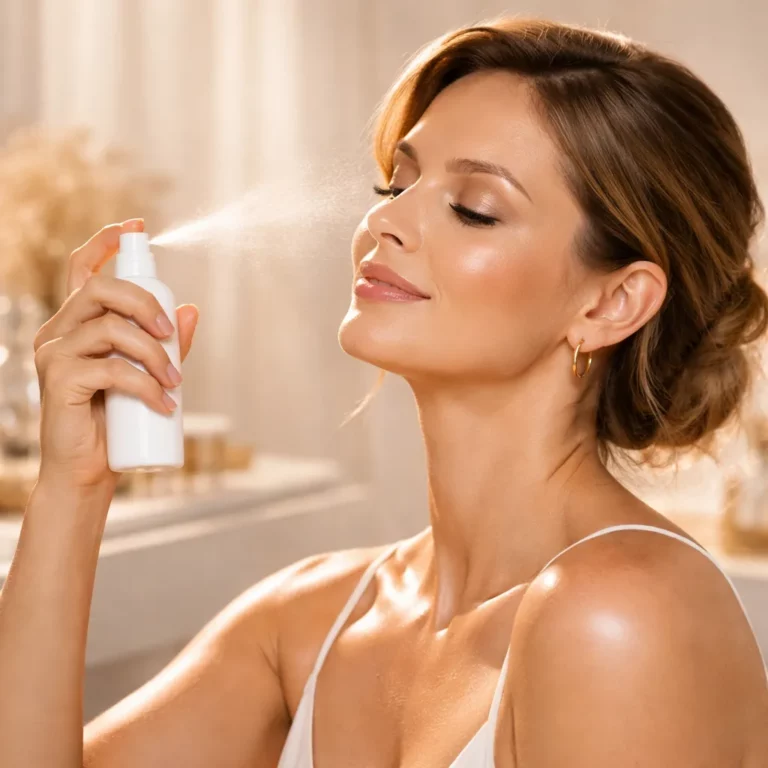
Reapplying sunscreen over makeup is easier than you think – and it’s essential for protecting your skin throughout the day. Sunscreen wears off due to UV exposure, sweat, and natural oils, leaving your skin vulnerable to damage. Here’s how to keep your makeup intact while staying protected:
Use SPF sprays for quick touch-ups and a dewy finish. Hold the bottle 10–12 inches away and mist evenly.
Try powder SPF for a matte look, especially if you have oily skin. Brush it on lightly over makeup.
Apply tinted SPF or BB creams with a damp sponge to maintain coverage without smudging.
Blot oil and sweat first to create a clean surface for reapplication.
Key Tip: Reapply every two hours, even indoors near windows, as UVA rays can penetrate glass. For best results, start your day with SPF 30+ under your makeup and follow these methods to stay protected without compromising your look.
The BEST Sunscreens with Makeup
Selecting SPF Products for Reapplication Over Makeup
Finding an SPF product that protects your skin without ruining your makeup can feel tricky, but it’s absolutely doable. Dermatologists recommend opting for broad-spectrum SPF 30 formulas. These block about 97% of UVB rays while also shielding you from UVA rays, which are responsible for aging. Dr. Doris Day, a board-certified dermatologist, emphasizes:
“SPF 30 is the perfect place to start when looking for suitable SPF options.” [5]
Even if your foundation or BB cream claims to have SPF, it’s often not enough because most people don’t apply these products in sufficient amounts. That’s where reapplication products come into play. Mineral-based SPFs, featuring zinc oxide or titanium dioxide, are especially effective since they form a protective layer over your makeup rather than sinking into it.
Your choice of SPF should align with your skin type and makeup routine. For oily or combination skin, mineral powder SPFs are a great pick as they help control shine. If your skin is dry or normal, hydrating SPF mists or lightweight BB creams are better options for preserving a fresh, dewy look. For sensitive skin, fragrance-free mineral products are a safer bet to avoid irritation. Here’s a breakdown of the best options based on your needs.
Powder SPF for a Matte Finish
Mineral SPF powders are a lifesaver for those with oily skin or anyone battling humid weather. They double as setting powders, soaking up excess oil and keeping your makeup intact while delivering sun protection. Dr. Hadley King highlights their practicality:
“I find this [powder] to be the simplest way to reapply SPF on top of makeup without messing up your makeup or having to redo it.” [6]
Pro tip: For even coverage, spend about 15 seconds applying the powder to each section of your face using a brush. Popular choices include Colorescience Sunforgettable Brush-On Sunscreen SPF 50 ($69), Hawaiian Tropic Mineral Sunscreen Powder Brush SPF 30 ($20), and the much-loved Supergoop! (Re)setting 100% Mineral Powder SPF 35 ($35).
SPF Sprays for Quick Application
SPF mists are perfect for quick touch-ups, especially when you’re short on time. They’re easy to use, don’t require touching your face, and leave a natural, dewy finish – making them suitable for all skin types. To apply, hold the bottle about 10–12 inches from your face, close your eyes and mouth, and spray until your skin feels lightly misted.
Affordable options include e.l.f. SKIN All Set For Sun SPF 45 Setting Spray ($15) and Vacation Super Spritz SPF 50 Face Mist ($24). For a more luxurious experience, try Kate Somerville UncompliKated SPF Setting Spray ($44), which also hydrates your skin. Dr. Azadeh Shirazi acknowledges the practicality of sprays:
“Ideally, you should be reapplying with a lotion, cream, or gel… but that’s not always practical with a full face of makeup.” [3]
Lightweight SPF Lotions or BB Creams
If your skin tends to be dry or normal, lightweight lotions and tinted BB creams with SPF are excellent for both refreshing your look and boosting sun protection. They blend seamlessly into your foundation, leaving a radiant finish. Dr. Marina Peredo suggests:
“Using a tinted SPF… can be applied lightly – with your fingers, a sponge, or makeup brush – on top of your makeup to freshen up your skin.” [5]
Application tip: Use a damp beauty sponge to gently pat the product onto your face. This technique ensures smooth, even coverage without disrupting your makeup. SPF sticks, like the Shiseido Clear Stick UV Protector SPF 50+ ($33), are another handy option for precise application on areas like your nose and cheekbones. However, they work best with minimal makeup looks.
Preparing Your Skin Before Reapplying SPF
Getting your skin ready before reapplying SPF is key. Skipping this step can lead to uneven application, a heavy feel, or even a shiny mess – none of which are ideal when you’re trying to protect your skin and keep your makeup intact. The idea is to create a clean, dry surface while preserving your makeup as much as possible. This preparation ensures your SPF goes on smoothly and stays effective.
Blotting Oil and Sweat
Throughout the day, your skin naturally produces oil and sweat, especially in warmer weather or in areas like your T-zone. These can interfere with how well your SPF adheres, causing it to slip off or leave streaks. This is where blotting papers come in handy. They’re designed to soak up oil without disturbing your foundation or concealer.
To use them, gently press the blotting paper onto oily areas like your forehead, nose, and chin. Don’t rub or drag the paper – this can shift your makeup and leave uneven patches. If you don’t have blotting papers, a clean tissue can work as a backup for absorbing sweat, though it’s not as effective at handling oil. If blotting alone doesn’t fully refresh your look, you can follow up with a light wipe to smooth things out.
Refreshing with a Makeup Remover Wipe
Sometimes, blotting isn’t enough – especially if your makeup feels heavy, looks uneven, or has picked up dirt throughout the day. In these cases, a makeup remover wipe can help you reset specific areas without needing to wash your entire face. Use the wipe to gently clean areas that need attention, leaving the rest of your makeup intact.
“Whatever method you use, be prepared to do minor damage control; blotting papers or makeup wipes can be big time savers.” [9]
After using a wipe, give your skin a moment to dry completely. Applying SPF to damp skin can lead to uneven coverage and reduce its effectiveness. Once your skin is dry, you’ll have a smooth surface for reapplication. If you’re using a sunscreen stick for touch-ups, make sure to wipe the top of the stick with a tissue afterward to keep it clean and free of bacteria from makeup or oils [3].
3. Neurotoxins + Biostimulators
Mechanism of Action
This “Relax and Firmness” technique combines neurotoxins like Botox, Dysport, or Xeomin with biostimulators such as Sculptra or Radiesse. Neurotoxins work by blocking nerve signals to muscles, reducing contractions that lead to dynamic wrinkles, such as crow’s feet and forehead lines [10]. On the other hand, biostimulators encourage the production of Type I collagen, improving skin texture, elasticity, and support [11].
“With biostimulatory fillers, the primary mechanism of action for volume restoration is stimulating our own bodies to increase collagen production and thus volume.” – Carrie Moschitto, NP, DermaTouch RN [14]
By relaxing muscles, neurotoxins reduce mechanical stress on the skin, which enhances the collagen-boosting effects of biostimulators [11]. Together, they tackle both the root cause of wrinkles – muscle movement – and the structural aging changes like collagen loss and thinning skin [8]. This makes the combination highly effective for targeted facial rejuvenation.
Ideal Facial Areas
This duo works especially well in specific facial areas:
Neck (cervical region): Neurotoxins relax vertical platysmal bands, while biostimulators improve skin laxity and diminish crepey texture [11].
Chin and jawline: Neurotoxins smooth “pebble chin” dimpling caused by muscle activity, while Calcium Hydroxylapatite (CaHA) enhances jawline projection and contour [11].
Cheeks: Relaxing muscles that pull features downward, combined with collagen stimulation, restores mid-face volume and adds long-term support [11].
These areas, which often show both dynamic wrinkles and structural aging, benefit significantly from the combined approach.
Duration of Results
Neurotoxin effects typically last around 3 to 5 months [19]. Biostimulators, however, offer longer-lasting results – Calcium Hydroxylapatite (CaHA) can last 12 to 18 months, while Poly-L-lactic Acid (PLLA) may deliver results for over 2 years [3]. Muscle relaxation from neurotoxins can also help prolong the benefits of biostimulators by reducing forces that accelerate product breakdown [8]. Regular sunscreen use is crucial to shield the newly stimulated collagen from UV damage [19].
Treatment Timeline
Both treatments can be performed in one 30- to 60-minute session, or neurotoxins may be injected first, followed by biostimulators 2 to 4 weeks later [8]. Neurotoxins begin to show results within 3 to 7 days, with peak effects around 2 weeks. Biostimulators, on the other hand, deliver gradual improvements as collagen production increases over weeks to months [8]. For maintenance, neurotoxins are typically repeated every 3 to 4 months, while biostimulators may only require touch-ups every 12 to 18 months [8].
Step-by-Step Methods to Reapply SPF Over Makeup
Once your skin is prepped, you can follow these simple methods to reapply SPF without disrupting your makeup. The key is to use gentle techniques – like patting, pressing, or sweeping – to avoid smudging your look.
Using SPF Spray
SPF sprays are a quick and easy way to reapply sunscreen. Hold the bottle 6–8 inches away from your face, close your eyes and mouth, and spray in a slow, even mist [10]. The distance is important: too close can leave wet spots, while too far might result in uneven coverage. Allow the spray to air dry so your makeup stays intact. To avoid inhaling the mist, hold your breath and step back after spraying [10]. Products like Morphe Sunsetter SPF 30 Setting Spray are specifically designed to protect your skin while keeping your makeup in place.
If you prefer a matte finish, powder SPF is another great option.
Applying Powder SPF
Powder SPF acts like a setting powder, helping to absorb excess oil while providing mineral-based sun protection with ingredients like zinc oxide or titanium dioxide. Use the built-in brush or a separate makeup brush to gently sweep the powder across your face in circular motions [10]. Makeup artist Maral Balian from Warren Tricomi NYC suggests:
“If you have makeup on and don’t want to mess it up, I would suggest applying a loose [SPF] powder with a makeup brush [approximately] every two hours” [6].
Some great options include Hawaiian Tropic Mineral Sunscreen Powder Brush SPF 30 ($20) and Colorescience Brush-On Sunscreen SPF 50 ($69). Work in small sections to ensure even coverage.
For those who prefer a liquid option, the next method provides a flawless finish.
Patting on Lotion or BB Cream with a Sponge
A damp beauty sponge can help you reapply liquid SPF or BB cream without disturbing your makeup. Place a small amount of product on the back of your hand, then use the sponge to gently press it onto your face in a stamping motion [2] [4]. Makeup artist Kenneth Soh recommends bouncing the product on, similar to applying loose powder [2]. Work in small sections until the product is fully absorbed. Cosmetic-friendly options like Tower 28 Beauty SunnyDays Tinted Sunscreen Foundation SPF 30 ($32) or Kosas DreamBeam Silicone-Free Mineral Sunscreen SPF 40 ($40) work well for this method. The key is to press, not smear, so your makeup stays intact.
How Often to Reapply SPF
Using the right sunscreen is only part of the equation – sticking to a consistent reapplication schedule is just as important. Experts recommend reapplying sunscreen every two hours to counteract photodegradation, as UV filters naturally break down when exposed to sunlight [1][8]. Even if your makeup still looks flawless, the SPF underneath weakens as the day progresses.
Your activities also play a big role in determining how often you need to reapply. For example, swimming in a pool or the ocean can strip away sunscreen in as little as 45 to 60 minutes. Dermatologist Amanda Valdes, MD, explains:
“Swimming in a pool or the surf can weaken and eventually wash off sunscreen, maybe within 45 minutes to an hour” [12].
After swimming, toweling off can further remove sunscreen, so it’s crucial to reapply once your skin is dry. On the other hand, if you’re spending most of your day indoors, your reapplication schedule can be more relaxed. Dermatologist Clare Kiely suggests:
“If you’re mostly indoors during the day, a morning application followed by a second one before heading home or outdoors again is usually sufficient” [2].
However, if you’re sitting near windows, it’s best to stick to the two-hour rule since UVA rays can penetrate glass and continue to harm your skin [8]. For situations involving direct, intense sunlight – like a day at the beach or pool – reapplying SPF sprays as often as every 30 minutes might be necessary [11]. High altitudes and extreme sun exposure also demand more frequent reapplications [8].
It’s important to note that a higher SPF number doesn’t mean you can go longer without reapplying. It simply offers stronger protection while the sunscreen is still on your skin. As Dr. Valdes points out:
“A higher SPF sunscreen gives more protection while it’s on, but that doesn’t mean it stays on and protects for longer periods. You’re going to need to reapply on the same schedule” [12].
Using the Correct Amount of SPF
Getting the timing right is important, but so is using the proper amount of sunscreen. For your face and neck, aim to apply 1/4 to 1/2 teaspoon of product [2][9]. Many people only apply 25% to 50% of the recommended amount, which significantly reduces effectiveness [1].
A simple way to measure is the two-finger rule: squeeze two strips of sunscreen along your index and middle fingers from base to tip [8]. Nurse Practitioner Nancy Pellegrino explains:
“When a sunscreen is tested in the lab, a teaspoon of product is used for the skin, and one shot glass is used for the body” [1].
Reapplying over makeup can be tricky, especially with sprays or powders. To ensure proper coverage, apply the product slowly and evenly across your entire face instead of focusing only on areas like the T-zone. By mastering both the timing and the amount of sunscreen, you can keep your skin protected without compromising your makeup.
Improving Your Skincare Routine with Calista Aesthetics
Using SPF daily is a great start for protecting your skin, but it only goes so far. While sunscreen shields against future UV damage, it can’t undo the effects of past exposure. That’s where advanced treatments come in, tackling issues like hyperpigmentation, uneven texture, and fine lines that SPF alone can’t address.
Calista Aesthetics specializes in personalized skincare solutions that work hand-in-hand with your SPF routine. Their tailored treatments focus on improving skin health and addressing specific concerns, helping you maintain a radiant, youthful complexion. By combining professional care with diligent sunscreen use, you can repair past damage while preventing new problems.
Benefits of Chemical Peels for Skin Rejuvenation
Chemical peels at Calista Aesthetics are designed to tackle common skin issues by gently removing damaged outer layers and encouraging fresh cell growth. These treatments create controlled damage to the skin, which stimulates natural repair processes to improve texture and tone [13]. Light and medium-depth peels are especially effective for concerns like hyperpigmentation, melasma, and discoloration from inflammation because they target the basal layer where pigment production occurs [13].
When paired with SPF, chemical peels offer even greater benefits. The peel works to resurface and correct discoloration, while sunscreen shields the newly regenerated skin from UV exposure, reducing the risk of complications like abnormal pigmentation. After a peel, it’s essential to apply SPF 30+ daily to protect sensitive, healing skin [13].
To ensure the best results, Calista Aesthetics often recommends a “priming” phase before your peel. This involves using products like tretinoin or glycolic acid for 2 to 4 weeks to prepare the skin and enhance the peel’s effectiveness [13]. Post-treatment care is equally important – avoid picking at peeling skin to prevent scarring, and use mineral-based sunscreens along with physical barriers like wide-brimmed hats for added protection. Chemical peels are available starting at $325 for members and $375 for non-members.
Chemical peels are just one part of a broader approach to achieving healthier, rejuvenated skin.
Personalized Skincare Plans for Long-Term Results
No two people have the same skin, which is why Calista Aesthetics creates individualized skincare plans tailored to your specific needs. Whether you’re managing dryness, oiliness, sensitivity, or acne-prone skin, a custom regimen ensures your routine is both effective and easy to maintain [7][14]. These plans combine professional treatments like microneedling and chemical peels with daily habits – like consistent SPF use – to help you preserve and enhance your results.
It’s important to remember that sun damage accumulates over time [8]. Even with regular sunscreen use, factors like evaporation, absorption, or uneven application can leave your skin vulnerable to incidental UV exposure [15]. That’s why periodic professional treatments are a smart way to correct any damage and support your overall skin health [8].
For those looking to stay consistent with their skincare goals, Calista Aesthetics offers an annual Radiant Member plan for just $50 per year. Members enjoy perks like $100 off all fillers, 10% off skincare products, and exclusive access to special sales throughout the year. This membership makes it easier to maintain a routine that balances prevention and repair, keeping your skin looking its best for the long haul.
Conclusion
Reapplying SPF over makeup doesn’t have to be complicated. Start your day with SPF 30+ as a base layer under your makeup, then refresh throughout the day using a method that works for your skin type. If you have oily skin, powder SPF can help control shine while offering a matte finish. For a quick, dewy touch-up, a setting spray with SPF is a great option. Prefer to maintain full coverage? Use a liquid formula and gently pat it on with a sponge. Even if your makeup still looks flawless, remember that its protective layer weakens over time.
Sunscreen naturally breaks down due to UV exposure, sweat, and skin oils, making reapplication every two hours a must when outdoors [3]. UVA rays can even penetrate through windows, contributing to long-term skin damage. Dermatologist Dr. Lily Talakoub emphasizes:
“Sunscreen efficacy decreases over time. As it rubs off or gets absorbed into the skin, it won’t provide as much protection as when you initially put it on.” [3]
This is why sticking to a consistent reapplication schedule is so important.
While regular SPF use can help prevent up to 80% of visible skin aging [2], it can’t undo existing issues like hyperpigmentation or fine lines. For that, professional treatments such as chemical peels or personalized skincare plans – like those offered at Calista Aesthetics – can address past damage. By pairing diligent SPF reapplication with targeted professional care, you can protect your skin today while working toward long-term rejuvenation.
FAQs
To keep your skin protected while wearing makeup, apply at least two layers of sunscreen, using about a teaspoon for your face. Choosing a powder or spray SPF is a smart way to avoid messing up your makeup. Make sure to cover all exposed areas evenly, leaving no gaps. For ongoing protection, reapply every two hours to ensure your skin stays shielded throughout the day.
SPF sprays and powders are a handy way to reapply sunscreen, especially if you’re wearing makeup and want to avoid smudging. These options, like mineral powders and fast-drying sprays, work well for quick touch-ups throughout the day. However, they don’t provide the same level of coverage as a full application of broad-spectrum sunscreen. To ensure you’re fully protected from UV rays, consider using sprays or powders as a supplement to your main sun protection routine.
Reapplying SPF over makeup doesn’t have to lead to breakouts or irritation – as long as you do it the right way. Stick to lightweight, non-comedogenic options, like mineral sunscreens, which are less likely to clog pores. For application, tools like cushion puffs or sprays can help you layer SPF without disrupting your makeup. To play it even safer, go for sunscreens formulated for sensitive skin and steer clear of heavy, greasy products that might irritate or block your pores.