

Hydration Tips After Fillers and Botox
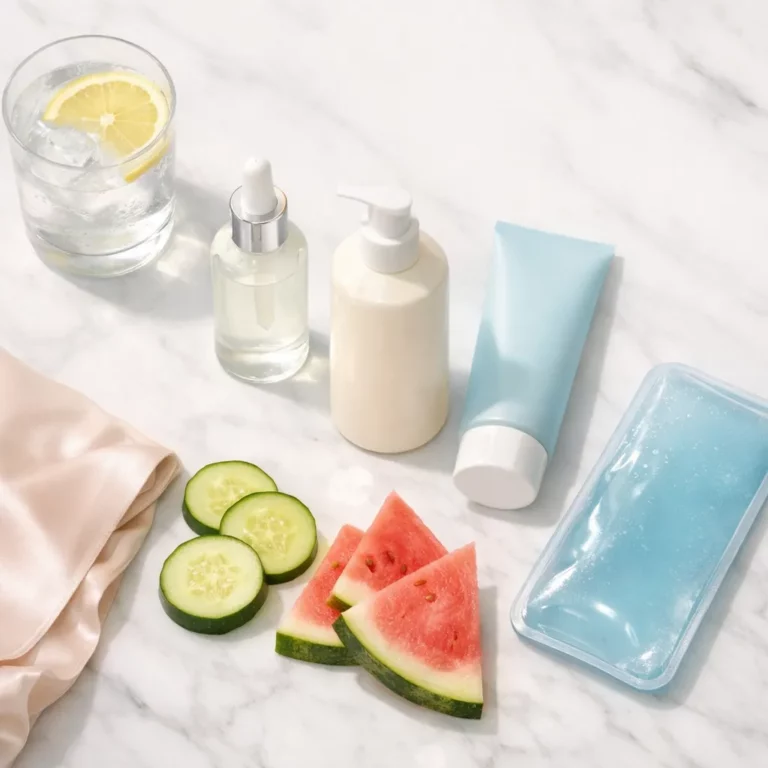
When it comes to fillers and Botox, hydration is key for recovery and maintaining results. Proper hydration minimizes swelling, speeds up healing, and ensures fillers retain their intended plumpness. Here’s what you need to know:
Drink Water: Aim for 8–10 glasses daily or half your body weight in ounces.
Avoid Alcohol & Caffeine: These dehydrate you and may worsen bruising.
Use Hyaluronic Acid Products: Serums and moisturizers boost surface hydration and complement fillers.
Eat Hydrating Foods: Include water-rich options like cucumbers, watermelon, and spinach.
Try Electrolyte Drinks: Low-sugar options like coconut water enhance hydration.
Cold Compresses: Reduce swelling while soothing the skin with hydrating gels.
Sleep with Head Elevated: Prevent fluid buildup and help injectables settle.
Gentle Cleansers & SPF: Protect your skin with soothing cleansers and daily sunscreen.
Hydration isn’t just about water intake – it’s a combination of internal and external care. Follow these steps to recover faster and keep your results looking their best.
1. Drink at Least 8 Glasses of Water Daily
Staying hydrated is one of the easiest ways to support your recovery. Drinking 64 ounces of water daily (about 8 glasses) helps your body flush out inflammatory compounds and toxins from injection sites, which directly influences how quickly you heal and how your results develop [1].
But it’s not just about how much water you drink – it’s also about how you drink it. Try sipping 8 ounces every hour throughout the day. This steady intake ensures your body absorbs water more efficiently, providing better hydration for your skin and injection sites [1].
Wondering if you’re drinking enough? Check the color of your urine. If it’s pale yellow or almost clear, you’re well-hydrated. Dark yellow, on the other hand, is a sign you need to drink more [1][7]. It’s a quick and easy way to monitor your hydration.
For a more personalized approach, drink half your body weight in ounces. For example, if you weigh 160 pounds, aim for 80 ounces of water daily. This method considers individual differences like body size and metabolism, helping you find the right balance for recovery [1].
Lastly, avoid alcohol and caffeine for the first 24–48 hours. Both are diuretics that dehydrate your body and can thin your blood, potentially worsening bruising and swelling at injection sites. Stick to plain water during this crucial recovery period [1][3][4].
2. Use Hyaluronic Acid Serums and Moisturizers
Drinking plenty of water is essential, but giving your skin extra hydration on the surface is just as important for recovery. Dermal fillers may restore volume beneath the skin, but topical hyaluronic acid (HA) products take care of surface hydration. HA serums work as humectants, meaning they draw in moisture, which pairs well with the water-attracting properties of HA-based fillers[8]. This added boost helps keep your skin looking plump, refreshed, and healthy.
While injectables like Botox smooth wrinkles by relaxing muscles, they don’t address surface hydration. This is where topical HA steps in. It can reduce the look of static lines – those visible even when your face is at rest – and provides gentle moisture to support the healing process after treatments[10].
“Hyaluronic acid is known for its gentle, deep moisturizing effects without clogging pores or causing breakouts. It can help your skin bounce back from any dryness or irritation, making it a great addition to your post-Botox skincare routine.” – American Academy of Cosmetic Medicine[10]
To avoid irritation, wait 24–48 hours after your injections before applying HA serums or moisturizers. This gives your skin time to heal. When you do start using these products, apply them with a light patting motion instead of rubbing, as rubbing could potentially shift fillers[8][13].
Opt for fragrance-free, medical-grade HA products to minimize the risk of irritation. And don’t forget to layer your HA serum with a broad-spectrum SPF 30 or higher during the day – UV exposure can break down collagen and shorten the lifespan of your results[12]. By combining proper internal hydration with topical HA, you give your skin the moisture it needs to maintain and enhance your treatment outcomes.
3. Add Electrolyte Drinks for Better Hydration
Electrolyte drinks can significantly improve hydration by supplying essential minerals like sodium, potassium, magnesium, calcium, and chloride. These minerals not only enhance water absorption but also help transport nutrients into your cells and remove waste products. This process supports your body’s ability to restore fluid balance and aids your kidneys and liver in processing and eliminating dermal fillers more efficiently[15][14].
If you’ve felt lightheaded, dizzy, or experienced excessive sweating after your treatment, electrolyte beverages can be especially helpful. These drinks work to flush out inflammatory compounds while delivering nutrients that promote healing in treated areas[1]. They serve as a great addition to the hydration and topical care methods previously mentioned.
“Electrolytes also balance the blood’s pH, handle pressure, hydrate your body, and rebuild the damaged tissue.” – Prime Surgical Suites[20]
For the best results, opt for low-sugar options like Pedialyte or unsweetened coconut water. These choices naturally provide electrolytes without unnecessary additives or high sugar content, which could contribute to inflammation[18][19][20]. When selecting an electrolyte drink, look for those rich in potassium and magnesium to support nerve and muscle function. Try to avoid drinks with excessive sodium, as it may increase swelling after your treatment[15][16].
To maximize benefits, sip about 8 ounces of an electrolyte drink every hour. This steady intake allows your body to absorb both the water and minerals more effectively, which is particularly important during the first 24 to 48 hours of recovery[1].
4. Eat Water-Rich Foods with Antioxidants
In addition to staying hydrated and maintaining a good skincare routine, what you eat plays a key role in speeding up recovery after fillers and Botox.
Water-rich foods not only keep you hydrated but also deliver antioxidants that help reduce inflammation and support the healing process. These foods work hand-in-hand with your water intake, enhancing the results of treatments like hyaluronic acid fillers and skin treatments. Since these fillers rely on water to keep your skin looking plump and smooth, eating hydrating foods can amplify the benefits[9].
Some excellent options to include in your diet are lettuce (96% water), cucumbers (95%), and tomatoes (94%). Fruits like watermelon, strawberries, and vegetables like bell peppers are also fantastic choices, as they provide a boost of vitamins and minerals[1]. For example, bell peppers and strawberries are rich in Vitamin C, which aids collagen production, while leafy greens like spinach and kale offer anti-inflammatory properties that can help reduce redness and swelling[22]. These nutrient-packed foods hydrate your body and promote faster healing.
“Eating foods rich in antioxidants (e.g., berries, pineapple, kale, spinach, etc.) can also help reduce bruising.” – Kristina Cadwell, PA, Vibrant Skin Bar[17]
Pineapple, in particular, is a standout due to its bromelain content, which may help decrease bruising and swelling. Consuming pineapple 48 hours before and after your treatment could improve recovery. Gentle options like smoothies made with spinach and berries or mashed sweet potatoes are also great choices, as they are easy on sensitive areas and packed with nutrients[21][22].
5. Limit Alcohol and Caffeine Intake
When recovering from fillers and Botox, what you drink can make a big difference. While alcohol and caffeine might be tempting, they can actually work against your efforts to maintain smooth, plump skin. Both beverages contribute to dehydration, which is the last thing you want when trying to keep your results intact.
Let’s break it down. Alcohol has a tendency to relax and widen blood vessels, which can lead to more bruising and swelling around the injection areas. Dr. Jacqueline Watchmaker, a dermatologist at U.S. Dermatology Partners, explains:
“Alcohol can cause blood vessels to relax and open, making it more likely that they may be unintentionally damaged during your injectable procedure.”
Caffeine, on the other hand, can increase your heart rate and blood pressure, which also raises the likelihood of bruising [6][23].
Both of these drinks not only increase bruising risks but also cause dehydration. This can emphasize fine lines and even lead to broken blood vessels around sensitive areas like your nose and cheeks. Since hyaluronic acid fillers depend on proper hydration to maintain their plumping effect, dehydration can directly interfere with your results.
To protect your post-treatment glow, avoid alcohol and caffeine for at least 24–48 hours after your procedure [24][5]. Instead, hydrate with plain water, herbal teas, or electrolyte drinks to support your skin’s healing and keep your results looking their best.
6. Apply Cold Compresses with Hydrating Gels
Using cold compresses along with hydrating gels can help reduce swelling and support healing after treatments like fillers or Botox. Cold compresses work by constricting blood vessels, which helps minimize inflammation, bruising, and swelling [4][5][23]. At the same time, hydrating gels provide much-needed moisture to areas that may feel sensitive or irritated [25].
Hyaluronic acid is a key ingredient in many hydrating gels. It draws in and retains moisture, helping to maintain the volume of fillers while promoting a smoother look [1][2]. For added relief, look for gels with soothing ingredients like aloe vera, known for its anti-inflammatory properties [1][25]. If bruising is a concern, applying arnica gel up to three times daily for about a week can help lessen its appearance [25][23]. This approach works hand-in-hand with your overall hydration routine, focusing directly on areas that need extra care.
To get the best results, gently apply a cold compress for 10–15 minutes every few hours during the first 24 hours after treatment. Always wrap ice packs in a cloth to avoid direct contact with your skin [4][25]. Be careful not to press on the injection sites, as this could disrupt the treatment [4].
“After injections, the skin’s moisture is stripped from the use of alcohol and cleansing products used to prep the skin. So you want to use something that adds hydration back into the skin to avoid dryness and tightness.” – Dr. Glenicia Nosworthy, Aesthetic Physician [26]
For optimal hydration, apply hydrating gel to damp skin, which helps lock in moisture [1]. Choose lightweight, oil-free formulas with aloe vera and hyaluronic acid as primary ingredients. These will soothe the skin without clogging pores [1][25].
7. Sleep with Your Head Elevated
Keeping your head elevated while you sleep can help prevent fluid from pooling in your face, reducing swelling overnight. This simple adjustment works hand-in-hand with staying hydrated to ensure fluids don’t accumulate around treated areas. When you lie flat, blood and lymphatic fluids are more likely to gather in your face, which can lead to increased inflammation and slower healing.
Using one or two extra pillows or a 30–45° wedge pillow can make a big difference. A wedge pillow is especially helpful because it reduces the chances of rolling onto your side or stomach during sleep.
“Elevate your head… This helps reduce swelling by allowing fluid to drain away from the treated areas, keeping you more comfortable as you sleep.” – Dr. Sabrina Fabi, Board Certified Dermatologist [27]
For the best recovery, sleep on your back with your head elevated for the first 24–48 hours. This position supports proper fluid drainage and minimizes the risk of fillers migrating or Botox spreading to unintended areas. Some experts even suggest maintaining this posture for 2 to 3 nights to ensure fillers settle properly. Additionally, avoid lying flat for at least 4–6 hours after your treatment [4].
To make this adjustment more comfortable, consider using a silk pillowcase. Silk reduces friction if you move during the night, helping to protect your skin while your elevated position helps manage swelling and promote healing.
8. Choose Gentle, Hydrating Cleansers
When caring for your skin after injectables, selecting the right cleanser is just as important as maintaining proper hydration. Harsh cleansers can strip your skin of its natural moisture barrier, leaving it more prone to irritation and infection. The tiny punctures created by needles make your skin temporarily more sensitive, so it’s crucial to avoid anything that might disrupt the healing process.
“After injectables, you have a few-to-several tiny breaks in the skin from the needle. These puncture sites leave the skin more vulnerable to irritation and infection. Gentle post-procedure products can help minimize bruising, redness and downtime.” – Dr. Ashley Magovern, Dermatologist [26]
Timing is everything. Wait at least 4–8 hours after Botox and 6 hours after fillers before washing your face [30][31]. Once you’re ready to cleanse, reach for products that contain soothing, hydrating ingredients like hyaluronic acid, aloe vera, chamomile, or squalane. These ingredients help lock in moisture and calm sensitive areas. On the flip side, avoid cleansers with retinoids, alpha hydroxy acids (AHAs), beta hydroxy acids (BHAs), or alcohol for at least 24–48 hours, as these can dry out your skin and slow the healing process.
When washing, use lukewarm or cool water and a gentle touch. Pat your skin dry with a clean towel instead of rubbing, and steer clear of powered cleansing brushes for at least 24 hours. These steps help prevent unnecessary irritation and ensure your skin stays calm and hydrated while it recovers.
“Your post-procedure routine is designed solely to soothe and restore your skin. A complicated post-care routine can lead to irritation, compromising your results.” – Jasmine Obioha, Board-Certified Dermatologist [31]
9. Protect Skin with Daily SPF and Regular Check-Ins
Keeping your skin protected from the sun is key to preserving the effects of cosmetic treatments and maintaining hydration. UV rays can break down hyaluronic acid – the main component in many dermal fillers – reducing their longevity. They also damage collagen and elastin, both of which are essential for keeping skin firm and hydrated.
“UV rays may interfere with BOTOX’s wrinkle-smoothing properties and degrade hyaluronic acid fillers, potentially shortening their effects.” – Dr. Eric Chang, Board-Certified Plastic Surgeon, Columbia Aesthetic [32]
Shielding your skin from UV damage is just as important as staying hydrated.
For the first 24–48 hours post-treatment, steer clear of direct sun exposure. UV rays are strongest between 10 a.m. and 4 p.m., so opting for indoor activities during this time can minimize risks. Once the initial period passes, daily use of SPF 30+ not only prevents sunburn but also helps protect hyaluronic acid fillers from UV-related breakdown. Adding wide-brimmed hats and protective clothing offers an extra layer of defense.
To ensure the best results, pair sun protection with regular professional follow-ups. A two-week check-in is a great opportunity to confirm that injectables have settled properly and to fine-tune your hydration plan. This visit allows your provider to assess symmetry, address any issues, and recommend adjustments to your skincare routine. For long-term care, schedule check-ins every 6 to 12 months to monitor filler longevity and refine your hydration strategy. At Calista Aesthetics, these routine assessments are designed to maximize both the lifespan of your treatments and your overall skin health.
Follow-Up Milestone | Purpose | Next Steps |
|---|---|---|
24–48 Hours | Initial Healing | Avoid direct sun, heat, and strenuous activity |
2 Weeks | Settling Assessment | Ensure symmetry, product integration, and adjust hydration plan |
3–4 Months | Botox Maintenance | Review Botox results and decide if a touch-up is needed |
6–12 Months | Long-term Check-in | Reevaluate filler longevity and update skincare routine |
Conclusion
When caring for your skin after injectables, selecting the right cleanser is just as important as maintaining proper hydration. Harsh cleansers can strip your skin of its natural moisture barrier, leaving it more prone to irritation and infection. The tiny punctures created by needles make your skin temporarily more sensitive, so it’s crucial to avoid anything that might disrupt the healing process.
“After injectables, you have a few-to-several tiny breaks in the skin from the needle. These puncture sites leave the skin more vulnerable to irritation and infection. Gentle post-procedure products can help minimize bruising, redness and downtime.” – Dr. Ashley Magovern, Dermatologist [26]
Timing is everything. Wait at least 4–8 hours after Botox and 6 hours after fillers before washing your face [30][31]. Once you’re ready to cleanse, reach for products that contain soothing, hydrating ingredients like hyaluronic acid, aloe vera, chamomile, or squalane. These ingredients help lock in moisture and calm sensitive areas. On the flip side, avoid cleansers with retinoids, alpha hydroxy acids (AHAs), beta hydroxy acids (BHAs), or alcohol for at least 24–48 hours, as these can dry out your skin and slow the healing process.
When washing, use lukewarm or cool water and a gentle touch. Pat your skin dry with a clean towel instead of rubbing, and steer clear of powered cleansing brushes for at least 24 hours. These steps help prevent unnecessary irritation and ensure your skin stays calm and hydrated while it recovers.
“Your post-procedure routine is designed solely to soothe and restore your skin. A complicated post-care routine can lead to irritation, compromising your results.” – Jasmine Obioha, Board-Certified Dermatologist [31]
FAQs
It’s recommended to wait 24 to 48 hours after getting Botox or fillers before using hyaluronic acid serums. This gives your skin time to recover and ensures the treatment sets correctly without causing irritation.
After this waiting period, hyaluronic acid can be a fantastic part of your skincare routine. It helps keep your skin hydrated and may even support the lasting effects of your treatment. Be sure to stick to the aftercare guidelines given by your provider for the best results.
Avoiding alcohol and caffeine after getting fillers is crucial for proper healing and preserving your results. Alcohol can thin your blood, which raises the chances of bruising and swelling. It may also slow down your recovery process. Meanwhile, caffeine can lead to dehydration, potentially affecting your skin’s hydration and slowing the healing process.
For the best results, make water your go-to. Staying hydrated and steering clear of substances that might disrupt your recovery will help your body heal effectively.
To help your body heal and stay hydrated after Botox or fillers, include foods that are naturally high in water content. Some excellent choices are watermelon, cucumbers, oranges, peaches, and leafy greens. These not only keep you hydrated but also supply important nutrients that aid recovery and help maintain the results of your treatment.
In addition to these hydrating foods, make sure you’re drinking plenty of water. Proper hydration helps minimize inflammation and supports your skin’s natural healing process, giving you the best outcome from your procedure.