

Microneedling Benefits Guide
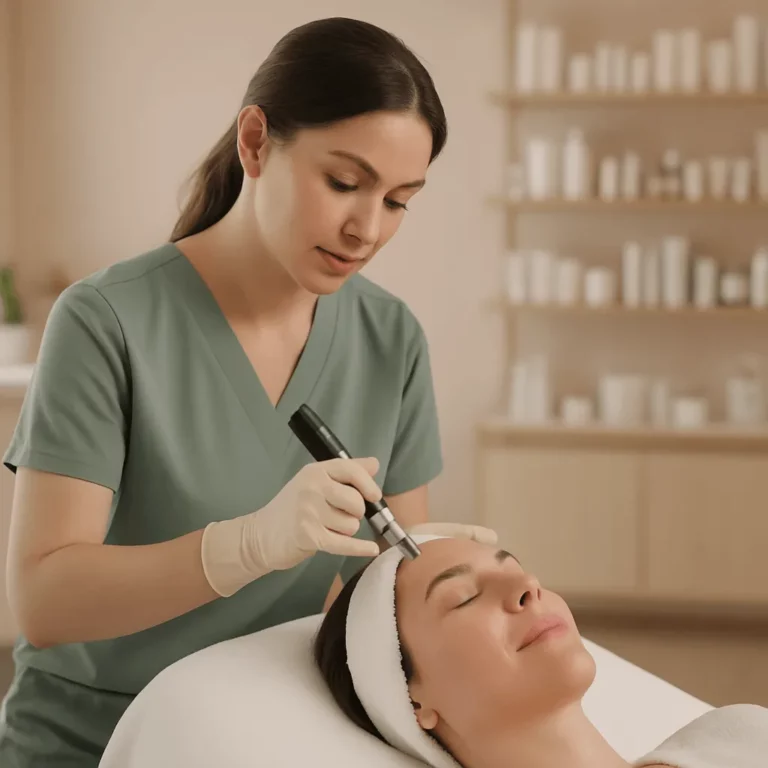
Unlock the Power of Microneedling for Your Skin
If you’ve been searching for a way to tackle stubborn skin issues like acne scars or uneven texture, you might’ve come across a treatment called microneedling. This innovative approach uses tiny needles to gently stimulate your skin’s natural healing process, promoting collagen and elastin production. The result? A potential boost in smoothness, firmness, and overall glow that many swear by for addressing specific concerns.
Why Consider This Skin Treatment?
What makes this method stand out is its versatility. Whether you’re dealing with fine lines creeping in over time or rough patches that just won’t budge, a personalized approach to understanding its benefits can be a game-changer. People with various skin types often find that this treatment, when paired with professional guidance, offers a tailored path to improvement. Beyond the surface, it’s about feeling confident in your own skin.
Take the Next Step
Curious if it’s right for you? Tools like ours help break down how this skincare solution might work for your unique needs. Remember, though, nothing beats a one-on-one with a dermatologist to ensure you’re on the safest, most effective track. Start exploring today, and take a step toward revitalizing your complexion!
FAQs
Microneedling is a skincare treatment where tiny needles create micro-channels in your skin to stimulate collagen production and healing. It sounds intense, but most people describe it as a mild prickling sensation, not outright pain. A numbing cream is often applied beforehand to keep things comfortable. The process helps with things like scarring or fine lines by encouraging your skin to renew itself naturally.
Results vary, but many notice a difference within a few weeks as collagen builds up and skin starts to look smoother or firmer. For deeper concerns like acne scars, it might take a few sessions—spaced about a month apart—to see significant improvement. Patience is key, and sticking to a good aftercare routine can make a big difference. Always chat with a dermatologist to set realistic expectations!
Generally, microneedling works across different skin types—oily, dry, or combination—when done properly. That said, if you have very sensitive skin, active acne, or certain conditions like eczema, it’s extra important to consult a professional first. They’ll assess whether it’s a good fit or if another treatment might suit you better. Safety comes down to personalized advice and a skilled practitioner.