Microneedling for Pigmentation: What to Expect
Read the guide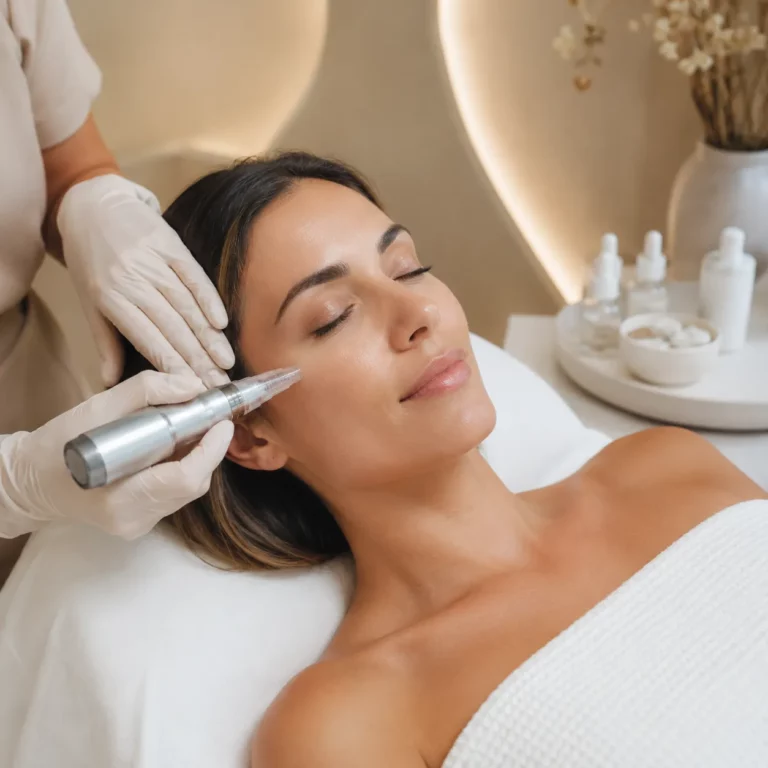

In this guide
Microneedling may help improve the appearance of uneven tone, post-acne discoloration, and texture in the right candidate, but pigment concerns such as melasma and sunspots need careful evaluation. By creating controlled micro-channels in the skin, it supports the wound-healing process and collagen remodeling, which can gradually improve skin texture and overall tone.
For many patients, microneedling offers a natural-first approach to pigmentation correction without relying on heat or light, making it a conservative non-laser option for many skin tones when performed with careful settings, though it is not risk-free. Results develop over time, typically starting about 4–6 weeks after your first session. Multiple treatments are often recommended for optimal improvement, with proper aftercare and sun protection playing a key role in maintaining results.
At Calista Aesthetics in Santa Ana, we take a personalized, conservative approach to microneedling, focusing on balanced, natural-looking outcomes tailored to your skin’s needs. In this guide, we’ll cover how microneedling works, what to expect during recovery, and how it compares to other pigmentation treatments.
Microneedling may be considered for some mild to moderate tone and texture concerns, including post-acne marks and uneven skin tone. Melasma and sun-related pigmentation are more complex and may require a broader plan that includes strict photoprotection, topical care, chemical peels, or other provider-recommended treatments. At Calista Aesthetics, we determine if microneedling is right for you during a personalized consultation, considering your skin type, medical history, and goals. Here’s a closer look at who benefits most and how to prepare.
Microneedling works best for individuals with healthy, stable skin that’s free from active inflammation, sunburn, or a recent tan. Patients with darker skin tones can also see improvements when the treatment is done using careful, customized protocols. Many people seeking to reduce acne scars, hormonal pigmentation, or sun-related discoloration notice visible changes after several sessions.
For enhanced results, microneedling is often paired with targeted serums—such as microneedling with PRP—or treatments like the VI Chemical Peel. It’s worth noting that conditions like melasma require ongoing care. Microneedling may be one part of a melasma plan, but maintenance, irritation control, and diligent sun protection remain essential because melasma is a chronic, relapsing condition.
While microneedling is safe for many, certain conditions or situations may require delaying treatment. It’s not recommended if you have active acne, rosacea, eczema, or other inflammatory skin issues. Those with a history of keloid or hypertrophic scarring may not be ideal candidates, as the micro-injuries could potentially trigger abnormal scar formation. Additionally, if you’ve had a sunburn or a significant tan in the past two to four weeks, your skin’s melanocytes may be overactive, increasing the risk of post-treatment pigment issues.
If you take isotretinoin, blood thinners, aspirin, supplements that may increase bruising, or any prescription medication, tell your provider during consultation. Do not stop prescribed medications or supplements recommended by your physician without medical guidance. Catherine Ngo, NP, Co-founder of Calista Aesthetics, highlights the importance of balancing safety and results:
Integrating medicine and aesthetics achieves natural, balanced results while prioritizing patient safety.
Preparing your skin properly can make a big difference in your results. To minimize irritation, avoid direct sun exposure for at least two to four weeks leading up to your appointment. Stop using retinoids, chemical exfoliants (like AHAs, BHAs, or glycolic acid), and physical scrubs about five to seven days before your session. Your skin should be healthy, hydrated, and free from sensitivity for the best outcomes.
Before treatment, tell your provider about pain relievers, aspirin, anticoagulants, supplements, and any conditions that affect bleeding or healing. Some patients may be advised to avoid certain over-the-counter anti-inflammatory medications around treatment, but prescription medications should only be changed with the prescribing clinician’s guidance. Staying normally hydrated and arriving with calm, non-irritated skin helps set up a smoother recovery. During your consultation at Calista Aesthetics, we’ll go over your current skincare routine, medications, and any recent sun exposure to ensure your skin is ready for safe and effective treatment.
At Calista Aesthetics, we aim to make your microneedling experience as comfortable and safe as possible, while focusing on your specific pigmentation concerns. Your treatment is performed by licensed Calista aesthetic professionals trained in skin assessment, device safety, and conservative treatment planning. They’ll guide you through the process, explaining each step along the way.
Your appointment begins with a gentle cleansing to remove any makeup, oils, or impurities from your skin. Afterward, a topical numbing cream is applied to the treatment areas and left on for about 20 to 30 minutes. This ensures you stay comfortable during the procedure. While the numbing cream takes effect, your provider will review your health history, assess your skin’s condition, and confirm the treatment plan to align with your pigmentation goals.
We use the SkinPen device at Calista Aesthetics to create precise micro-channels in the surface of your skin. These controlled micro-channels trigger your skin’s repair process and collagen remodeling. Any improvement in discoloration is gradual and depends on the type of pigmentation, your skin’s response, and your aftercare. The needle depth is carefully adjusted for different areas, with gentler settings used for delicate spots like under the eyes.
If your provider recommends adjuncts such as topical brightening ingredients, topical Rejuran, or Platelet-Rich Plasma (PRP), they should be used as part of a personalized plan. Redness, warmth, tightness, and mild swelling are common after treatment and usually improve over the next few days. This is a normal part of the process and typically subsides as your skin begins to heal. After the procedure, we’ll start a personalized microneedling aftercare routine to support your recovery.
Once the microneedling is complete, your provider may apply a calming mask or topical support product, such as the Rejuran masks included with Calista’s microneedling sessions, to support comfort and barrier recovery. PRF EZ Gel is a separate regenerative treatment and may be discussed only if it fits your broader plan. You’ll also receive detailed aftercare instructions, including waiting at least 6 to 8 hours before washing your face. This allows the micro-channels to close naturally, reducing the risk of infection. If you experience any heat or mild swelling, we recommend using a cool, damp cloth (but avoid direct ice).
Every step of the process is designed to help your skin heal effectively while working toward natural pigmentation correction tailored to your unique needs.
Microneedling for pigmentation involves minimal downtime, making it a manageable option for most patients. Understanding the recovery process can help you prepare and set realistic expectations for your skin’s healing and improvement.
After microneedling, you may notice mild redness and warmth, similar to a light sunburn. These effects typically fade within 24 to 72 hours, though some people recover even faster. During the first day or two, slight swelling, tightness, or sensitivity is also normal.
Around days 3 to 5, your skin may feel dry or rough as it begins to flake and peel. This is a natural part of the healing process, but it’s important to avoid picking or scratching, as this can disrupt healing and increase the risk of post-inflammatory hyperpigmentation.
Recovery Stage | Typical Symptoms | Recommended Care |
|---|---|---|
24–48 Hours | Redness, swelling, warmth, tightness | Gentle cleansing, hyaluronic acid, mineral SPF |
Days 3–5 | Flaking, peeling, dryness, rough texture | Frequent moisturizing (ceramides/peptides), no picking |
Days 6–7 | Fading redness, smoother texture | Reintroduce gentle skincare, continue sun protection |
Weeks 4–6 | Reduced pores, faded spots, even tone | Maintenance sessions, daily SPF 30+ |
As your skin heals, you’ll notice gradual improvements in texture and tone, with the most visible changes appearing in the weeks following your treatment.
Microneedling works by encouraging your skin’s natural repair process, which takes time. Some patients notice brighter tone or smoother texture within the first 1–2 weeks, while collagen-related changes continue to build over 4–12 weeks after each session. Pigmentation improvement can take longer and varies by cause, depth, and aftercare.
For pigmentation concerns like melasma or sun damage, which often lie deeper in the skin, a series of 3 to 6 sessions spaced 4 to 6 weeks apart is usually recommended. Each session builds on the progress of the last, gradually lightening dark spots and improving overall skin clarity. However, pigmentation conditions – especially melasma – can be recurring. Factors like UV exposure and hormonal changes may trigger new discoloration, so sun protection and maintenance treatments are key for long-term results[1].
The way you care for your skin after microneedling directly affects your results. Hydration is essential during the first 48 hours. Moisturize every 2 to 3 hours with products designed to support skin barrier repair[2]. Sun protection is critical: use a broad-spectrum mineral SPF 30 or higher as directed, limit direct sun, and consider tinted mineral sunscreen for melasma-prone skin because visible light can contribute to discoloration.
To minimize swelling and friction, sleep on your back with your head slightly elevated. Using a clean silk or satin pillowcase can also help reduce irritation[2]. By following these aftercare steps, you’ll support your skin’s recovery and enhance the results of your treatment. Consistent care and protection are essential for achieving and maintaining a more even, radiant complexion.
Microneedling and the VI Chemical Peel are effective options for improving pigmentation, but they work in different ways and target discoloration at varying skin depths. Choosing the right treatment depends on your skin type, pigmentation concerns, and desired results. Let’s explore how each treatment works and when they may be most appropriate.
Microneedling uses tiny needles to create controlled micro-injuries in the skin, which triggers the body’s natural healing process and boosts collagen production. This technique targets deeper layers of the skin, making it suitable for addressing pigmentation caused by aging or scarring. On the other hand, the VI Chemical Peel works by exfoliating the top layer of skin (the epidermis), helping to remove surface melanin. At Calista, targeted VI Peel formulations include VI Precision Plus for sun damage and melasma. Many patients notice visible improvement after one peel, but stubborn pigment or acne-related discoloration often benefits from a series spaced several weeks apart.
For melanin-rich skin, the safest option depends on the diagnosis, skin barrier, treatment depth, and provider experience. Microneedling can have a lower PIH risk than some energy-based treatments because it does not rely on heat, but it can still cause pigment changes if the skin is irritated or exposed to sun. Chemical peels can also be effective when selected and timed conservatively.
Recovery times and the number of sessions needed vary between these treatments. After microneedling, you may experience redness and tightness for 24 to 48 hours. Results typically develop after 3–6 sessions spaced 4–6 weeks apart. Chemical peels, meanwhile, usually involve 3 to 7 days of peeling and redness, with visible brightening sometimes noticeable after a single treatment.
It’s essential to follow post-treatment care for both options. For microneedling, redness, warmth, tightness, peeling, and temporary sensitivity are expected. Less common risks include infection, cold sore flare-ups, and dark or light spots. Both microneedling and chemical peels require careful sun avoidance and sunscreen during recovery. If you need pain relief or take aspirin, NSAIDs, or blood-thinning medication, follow your provider’s instructions rather than stopping medication on your own.
For more comprehensive pigmentation correction, combining these treatments in a carefully planned sequence can maximize results. A common approach is starting with a VI Chemical Peel to lift surface pigmentation and prepare the skin, followed by microneedling a few weeks later to target deeper layers and promote skin remodeling. If additional procedures are planned, your provider should wait until the skin barrier is fully recovered before adding another treatment, especially for melasma-prone or darker skin tones.
At Calista Aesthetics, we create personalized treatment plans tailored to your skin tone, the depth of your pigmentation, and your overall goals. By carefully spacing sessions and combining treatments when appropriate, we aim to deliver safe, balanced, and natural-looking results.
Your consultation at Calista Aesthetics is the first step toward a personalized treatment plan for addressing pigmentation concerns. Booking is simple – just click “Book a Consult” on our website or use the “Text Us” feature for direct communication. Located in Santa Ana’s South Coast Metro area, we’re easily accessible for patients throughout Orange County. This initial visit helps us design a plan that aligns with your skin goals and lifestyle.
At Calista Aesthetics, every microneedling plan is designed specifically for your skin’s needs. During your consultation, we’ll assess factors like skin thickness, scarring, and pigmentation while considering your schedule. Most plans begin with three sessions spaced 4–6 weeks apart. We use the FDA-cleared SkinPen device. At Calista, microneedling sessions currently include Rejuran masks, and some plans may use topical Rejuran to support hydration, barrier comfort, and overall skin quality. Our team will walk you through the process step by step and schedule treatments at times that work for you.
Patients trust Calista Aesthetics for safe, results-driven skin treatments in a welcoming, boutique environment. Our Nurse Practitioners bring specialized expertise in dermatology and family care, offering medical-grade aesthetic services with a personal touch. Consultations are relaxed and informative, with no pressure – just honest guidance. Our philosophy of “care that’s cautious and clear” ensures your treatment plan is balanced, personalized, and focused on natural results.
Common questions
Microneedling may help reduce hyperpigmentation when done with the right technique, but it’s not without risks. If performed incorrectly or on sensitive skin, it can sometimes make dark spots worse, particularly for those with darker skin tones. To reduce these risks and get the best outcome, proper technique and careful aftercare are essential.
After microneedling, it’s important to take care of your skin to support healing and get the best results. For the first 5–7 days, avoid using alcohol-based toners, chemical exfoliants, retinoids, or harsh scrubs, as they can irritate your skin. For the first 24–72 hours, steer clear of swimming, saunas, and intense workouts to reduce the risk of irritation.
Protect your skin with a broad-spectrum mineral SPF 30 or higher, limit direct sun during early healing, and keep daily sunscreen as a long-term habit—especially if you are treating melasma or recurring dark spots. Stay normally hydrated, avoid picking or scrubbing, and follow your provider’s aftercare instructions closely. Be sure to follow your provider’s aftercare instructions closely for optimal results.
Yes, microneedling and a VI Chemical Peel can be paired to target pigmentation since they focus on different layers of the skin and address unique concerns. That said, it’s crucial to consult with a professional to evaluate your skin’s needs and ensure the treatments are timed correctly to achieve optimal results safely.