

Microneedling for Seasonal Skin Repair
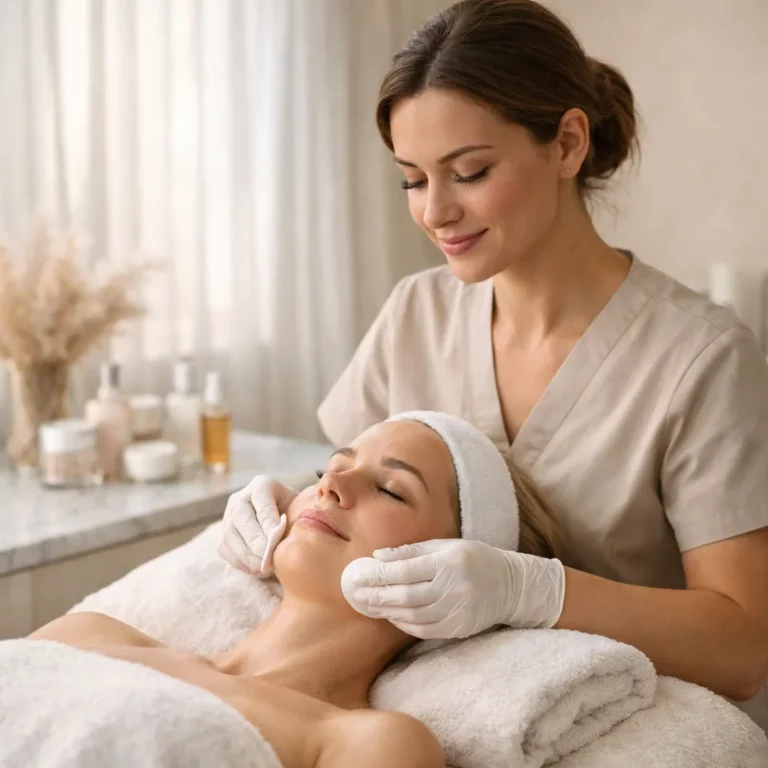
Microneedling is a minimally invasive treatment that helps improve your skin’s ability to handle seasonal challenges like winter dryness, summer UV damage, and spring allergens. By creating tiny micro-injuries, it stimulates collagen and elastin production, strengthens your skin barrier, and enhances hydration retention. This makes it effective for addressing dryness, uneven tone, fine lines, and rough texture caused by changing weather.
Key Benefits:
Winter: Reduces dryness, flakiness, and irritation from cold air and indoor heating.
Summer: Repairs UV damage, smooths texture, and reduces pigmentation.
Spring: Calms skin, promotes cell turnover, and combats seasonal irritants.
Fall: Prepares skin for colder months by repairing summer damage and boosting hydration.
Microneedling works best when scheduled before major seasonal transitions, with 3–6 treatments spaced 4–6 weeks apart. Aftercare includes gentle skincare, daily SPF, and avoiding harsh products for the first few days. With consistent treatments and proper care, microneedling can help keep your skin smooth, hydrated, and resilient year-round.
How Seasonal Changes Affect Your Skin
As the seasons change, so do the challenges your skin faces. Shifts in temperature, humidity, and allergens can throw your skin’s barrier off balance. Whether it’s the biting cold of winter or the pollen-filled air of spring, these environmental changes can leave your skin feeling vulnerable. Recognizing these patterns helps you adjust your skincare routine and understand why treatments like microneedling can make a difference.
What the Skin Barrier Does
Your skin barrier, also known as the stratum corneum, acts as your skin’s first line of defense. Picture it as a “brick-and-mortar” structure, where the cells are the bricks and lipids (like ceramides, cholesterol, and fatty acids) are the mortar. This barrier locks in moisture while keeping irritants out[1]. When it’s functioning well, your skin feels smooth, hydrated, and calm. On the flip side, a weakened barrier can lead to dryness, rough patches, tightness, and increased sensitivity[1]. Seasonal changes play a big role in how well this barrier performs.
Environmental Factors That Damage Skin
Each season comes with its own set of challenges that can disrupt your skin’s ability to stay hydrated and protected.
Winter’s cold and dry air can wreak havoc on your skin. Outdoor air holds less moisture, pulling water from your skin, while indoor heating further dries out the air, speeding up water loss. The result? Cracks in your skin’s barrier that allow irritants to sneak in and moisture to escape. These effects are often most noticeable on exposed areas like your face, hands, and neck[1][6].
Summer’s UV exposure leaves its mark in a different way. UV rays generate free radicals that damage skin cells and disrupt barrier lipids, making it harder for your skin to retain moisture and defend against irritants[3][4]. By the time fall rolls around, you might notice a rougher texture, more visible pores, and fine lines that seem deeper due to dehydration. Sun damage can also lead to dark spots and uneven pigmentation as UV rays increase melanin production and slow cell renewal[3][4].
Spring allergens, like pollen and mold spores, can irritate skin that’s already been weakened by winter dryness or over-exfoliation. These allergens can penetrate the skin, triggering inflammation, redness, and itching. You might also experience stinging or flushing as your skin reacts to the stress[6].
Humidity and temperature changes bring their own challenges. In humid summers, sweat and oil mix with environmental moisture, clogging pores and causing breakouts[6][7]. Heat can also boost oil production, even as UV exposure dehydrates your skin. On the other hand, dry winter air reduces both surface oil and water, leaving your skin rough and prone to fine lines[6]. Rapid shifts between indoor and outdoor environments – like moving from air-conditioned spaces to hot outdoor settings or from heated rooms to freezing exteriors – can further disrupt your skin’s balance, leading to irritation and breakouts[6][7].
Signs that your skin is struggling with these seasonal shifts include dryness, flaking, tightness after washing, and sensitivity (like stinging or burning when applying products). You might also notice redness, irritation, or breakouts, and makeup may cling unevenly to dry patches. Paying attention to these signs can help you adapt your skincare routine to meet your skin’s changing needs.
How Microneedling Repairs Seasonal Skin Damage
Microneedling helps strengthen your skin’s natural defenses against external stressors. By working in harmony with your body’s healing process, this treatment enhances the skin’s ability to retain moisture and block irritants – especially important as the weather changes.
How Microneedling Works
Microneedling involves the use of fine, sterile needles to create tiny channels in the upper layers of your skin [6][1]. These micro-injuries activate your body’s natural healing response, prompting platelets and fibroblasts to release growth factors that stimulate the production of collagen and elastin [6][2][8].
Over the following weeks, this new collagen and elastin framework strengthens your skin, making it firmer, smoother, and better equipped to handle challenges like dry indoor air, cold winds, and UV rays [6][1][8]. These temporary micro-channels also allow skincare products to penetrate deeper, boosting the effectiveness of hydrating serums and barrier-repairing ingredients [1].
By encouraging collagen production and supporting the lipid layer in your skin, microneedling helps build a stronger barrier that retains moisture more effectively. This reduces transepidermal water loss (TEWL), providing extra protection during dry winters or in air-conditioned spaces [1][8]. With regular treatments, many people notice less flaking, smoother fine lines, and overall improved skin comfort, no matter the season [6][1]. The treatment not only enhances skin resilience but also adapts to the specific challenges of each time of year.
Benefits for Each Season
Microneedling offers targeted benefits depending on the season, addressing everything from summer sun damage to winter dryness by promoting collagen renewal and hydration.
Summer and Post-Summer: Microneedling helps fade sunspots, pigmentation, and uneven skin tone caused by UV exposure. It also smooths texture and reduces pore congestion from heat and humidity [6][4][7]. When paired with diligent sunscreen use, it aids in softening fine lines and improving skin tone [6][4][8].
Fall: Cooler weather and lower UV levels make fall an ideal time for microneedling. Treatments during this season repair summer damage and fortify the skin barrier ahead of winter [2][3][8]. Many notice a smoother texture and fewer dehydration lines, even with indoor heating [6][1][3].
Winter: Microneedling, combined with rich, barrier-focused skincare, improves hydration retention and reduces flakiness. This makes your skin feel more comfortable and allows makeup to glide on more smoothly [6][1][9].
Spring: After a dull winter, microneedling refreshes the skin by encouraging cell turnover and collagen production. It also brightens uneven tone and strengthens the skin against seasonal irritants like pollen [3][5][6].
Treatment Timing and Frequency
Timing your microneedling sessions strategically can maximize their benefits during seasonal transitions. Many experts recommend starting treatments ahead of major weather shifts – such as late summer or early fall – to repair sun damage and prepare the skin for winter’s dryness [3][4][8]. Similarly, scheduling treatments in late winter or early spring can help smooth and rehydrate skin as it adjusts to a more humid, allergy-prone environment [6][5].
For optimal results, begin treatments 1–2 months before peak seasonal changes. This allows your skin enough time to heal and show noticeable improvements [2][3][8]. Sessions are typically spaced 4–6 weeks apart to ensure proper healing and collagen development [6][1]. Most people start with a series of 3–6 treatments to address issues like dryness, rough texture, or pigmentation, followed by occasional maintenance sessions throughout the year.
Those with more advanced concerns, such as deep photoaging or scarring, may need longer treatment plans or a combination of microneedling with other procedures like chemical peels. A personalized approach, guided by a professional, ensures the best results [2][4].
At Calista Aesthetics, the process begins with a detailed skin evaluation that factors in your climate exposure, lifestyle, skin type, and sensitivity. Based on this, a customized microneedling schedule is created – for example, a fall series to repair sun damage in sunny areas or winter treatments paired with intensive hydration for colder regions [6][3][8]. These in-office treatments are complemented by an at-home regimen, including products like hyaluronic acid serums, ceramide-rich moisturizers, and daily broad-spectrum SPF. Adjusting product intensity seasonally helps protect the skin barrier and extend the results of your microneedling sessions.
What to Expect During and After Treatment
Understanding what happens during and after microneedling can help you feel more prepared and confident. The process is simple, and most people find it comfortable with little to no disruption to their daily routine.
The Treatment Process
Your microneedling session at Calista Aesthetics starts with a quick consultation and skin evaluation. This is where your goals, medical history, and current skincare habits are reviewed [1]. Once that’s done, your skin is cleansed, and a numbing cream is applied for about 20–30 minutes to ensure your comfort [1].
Afterward, a hyaluronic acid serum is applied. This not only helps the microneedling device glide smoothly but also boosts hydration to support your skin’s barrier [1].
The microneedling itself involves a professional, FDA-cleared device equipped with fine, sterile needles. These needles create tiny, controlled micro-injuries across the treatment area. The device settings are tailored to your skin’s needs – for example, deeper passes might be used to address pigmentation from summer sun, while gentler settings are ideal for sensitive winter skin. Most patients describe the sensation as mild scratching, prickling, or a slight vibration, with more noticeable intensity over bony or sensitive areas [6].
Once the procedure is complete, soothing serums or calming masks are applied to encourage healing. You’ll also receive aftercare instructions and may schedule follow-up sessions. This entire process lays the groundwork for visible improvements in your skin.
Results and Improvements
After the session, your skin may look pink or red and feel warm or tight – this is completely normal and usually fades within 1–3 days [1][6]. Some people may notice slight pinpoint bleeding during the treatment, which is handled gently, along with occasional light flaking or dryness as your skin sheds older cells [3].
Within the first week or two, many clients notice their skin looking smoother and more radiant. Hydration levels improve, and the skin often feels plumper, thanks to the hydrating serums applied during the session [1].
As weeks and months pass, collagen and elastin production ramp up, leading to noticeable improvements in texture, fine lines, and skin strength. These changes help your skin retain moisture during colder months and reduce pigmentation or roughness caused by summer sun. For the best outcomes, a series of 3–6 treatments spaced 4–6 weeks apart is often recommended [6]. Once you’ve achieved your desired results, maintenance sessions a few times a year can help keep your skin looking its best [3].
Recovery Time and Safety Tips
Microneedling is minimally invasive, so recovery is usually quick. Most people can resume normal, non-strenuous activities the same day or the next [1]. That said, there are a few precautions to keep in mind during the first few days:
Avoid heavy exercise, excessive sweating, hot showers, saunas, or hot tubs for the first 24–48 hours to minimize irritation or infection risk [3].
Skip makeup for at least 24 hours. After that, you can use clean, non-comedogenic mineral makeup if approved by your provider [3].
Stay out of direct sunlight for several days, and apply a broad-spectrum SPF 30+ sunscreen daily. Hats and shade can also help protect your skin from irritation or hyperpigmentation [3].
Stick to gentle, fragrance-free cleansers and hydrating products. Avoid exfoliants, retinoids, acids (like AHAs and BHAs), and other strong skincare products until your provider gives the all-clear [1].
Keep your hands off your face, don’t pick at flaking skin, and avoid using unclean brushes to reduce the risk of infection [3].
By following the personalized aftercare instructions from Calista Aesthetics and staying hydrated, you can help your skin heal and maximize the benefits of your treatment.
“We explain every step, use proven products and techniques, and prioritize your comfort.” – Calista Aesthetics
Skincare Tips After Microneedling
Microneedling is just the start of your skin’s journey to recovery. What you do at home in the days and weeks following the procedure is key to how well your skin heals and how long the benefits last. Since microneedling creates tiny channels in your skin, it temporarily boosts the absorption of skincare products. This makes it a great time to focus on hydration and barrier repair, but it also means you need to steer clear of anything that could irritate your skin.
Immediate Aftercare Steps
The first 24–72 hours after microneedling are crucial. Your skin is more sensitive and absorbs products more easily, so gentle care is a must. Start with a mild, fragrance-free cleanser and lukewarm water. Follow that with a hydrating serum, such as one containing hyaluronic acid or panthenol, and seal it all in with a ceramide-rich moisturizer applied 2–3 times a day. Be sure to follow Calista Aesthetics’ advice about when to begin cleansing to protect the microchannels created during the treatment.
Once your skin can tolerate it – usually by day one or two – apply a broad-spectrum mineral sunscreen with SPF 30 or higher. Mineral options with zinc oxide or titanium dioxide are best because they’re gentle and help protect against UV-related inflammation and pigmentation issues.
During this early recovery stage, avoid anything harsh, like retinoids, alpha or beta hydroxy acids (glycolic, lactic, salicylic), benzoyl peroxide, strong vitamin C serums, alcohol-based toners, and fragranced products. Also, resist the urge to touch or pick at your skin. For more details on what to avoid, refer to the previous section’s recovery guidelines.
Once your skin stabilizes, you can tweak your routine to account for seasonal changes.
Adjusting Your Routine by Season
As your skin heals, adapting your skincare to the season can help it recover more effectively:
Winter: Opt for a cream-based cleanser, a rich ceramide moisturizer, and consider using a humidifier indoors. Even in winter, daily SPF 30+ is non-negotiable. If your skin is very dry or prone to eczema, Calista Aesthetics may recommend spacing out microneedling sessions and pairing them with in-office hydration treatments.
Summer: Switch to a lightweight, non-comedogenic moisturizer and a broad-spectrum sunscreen with SPF 30–50. Reapply sunscreen every two hours when outdoors to reduce the risk of post-inflammatory hyperpigmentation. Avoid heavy, occlusive products that can trap sweat, and limit direct sun exposure during peak hours. Once your skin heals, gentle antioxidant serums with vitamin C can offer extra protection against environmental stressors.
Spring: With fluctuating temperatures and increased pollen, focus on gentle, hydrating products with barrier-supportive ingredients. Lightweight antioxidant serums can help brighten your skin, and you can gradually reintroduce active ingredients like acids or retinoids.
Fall: Use microneedling to address summer damage like uneven tone or dehydration. Pair the treatment with hydrating serums, pigment-targeting ingredients (as tolerated), and richer moisturizers to prepare for colder weather. Keep using SPF 30+ daily, as UV rays can still interfere with healing and collagen production.
Personalized Skincare Plans at Calista Aesthetics
While these general tips are helpful, personalized plans take your recovery to the next level. Calista Aesthetics customizes aftercare based on your skin type and the season, offering clinic-recommended serums and follow-up assessments to ensure optimal healing and long-term results.
For instance, someone with dry, sensitive skin treated in late fall might be advised to focus on ceramide-rich moisturizers, gentle hydrating serums, and humidifier use, while avoiding exfoliation. On the other hand, someone with oily, acne-prone skin treated in summer might benefit from non-comedogenic moisturizers, oil-controlling cleansers, and a carefully timed reintroduction of exfoliating acids. Strict sunscreen use and advice on managing sweat would also be part of their plan.
Calista Aesthetics also integrates complementary in-office treatments, like chemical peels or LED therapy, to enhance collagen remodeling and maintain your skin’s barrier health. Before leaving your appointment, ask for a written, personalized aftercare plan that outlines which cleanser, moisturizer, and sunscreen to use, as well as when to reintroduce active ingredients like retinoids or exfoliating acids.
To keep your results lasting between sessions, stick to a consistent routine. This should include gentle cleansing, daily broad-spectrum SPF 30+, and a hydrating, barrier-supportive moisturizer used morning and night. In colder months, consider richer creams or overnight hydrating masks, while in warmer months, lighter gels or oil-free options can help prevent clogged pores. With professional guidance, you can gradually incorporate low- to moderate-strength retinoids or exfoliating acids a few nights a week to complement collagen production and maintain smooth, healthy skin. Avoid smoking and unprotected sun exposure to preserve the improvements from microneedling.
FAQs
Microneedling is a great way to help your skin adjust to seasonal changes by kickstarting its natural repair process. The treatment involves creating tiny, controlled micro-injuries on the skin, which encourages the production of collagen and elastin – key proteins that keep your skin firm and resilient. Plus, it improves how well your skin absorbs hydrating serums and other skincare products, making it easier to tackle dryness or irritation brought on by shifting weather conditions.
From addressing sun damage after a long summer to relieving winter-induced dryness, microneedling can refine your skin’s texture, boost hydration, and strengthen its protective barrier. Clinics like Calista Aesthetics offer personalized care to match your specific skin needs, ensuring your skin stays healthy and radiant no matter the season.
Recovery after microneedling is usually a breeze. Most people experience mild redness and sensitivity, much like a sunburn, for about 24 to 48 hours. There might also be some slight swelling or flaking as your skin begins its healing process, but these effects typically fade within a few days.
To help your skin recover smoothly, focus on keeping it hydrated and protected. Stick to a gentle cleanser, skip any harsh skincare products or exfoliants, and apply a broad-spectrum sunscreen every day. For a few days, it’s a good idea to avoid heavy makeup, direct sunlight, and excessive heat to give your skin the best chance to heal. Your provider will also share specific aftercare tips based on your skin’s unique needs.
After microneedling, adjusting your skincare routine is crucial to help your skin heal and maximize the treatment’s effects, especially when the seasons shift. Stick to gentle, hydrating products that nurture your skin barrier without causing irritation. Steer clear of harsh exfoliants or active ingredients like retinol for at least 5-7 days after your session.
During seasonal changes, focus on hydration by using moisturizers with ceramides or hyaluronic acid to keep your skin supple and prevent dryness. Daily application of a broad-spectrum sunscreen (SPF 30 or higher) is a must, as your skin will be more vulnerable to UV rays post-treatment. If you’re unsure about which products suit your skin best, consulting professionals like those at Calista Aesthetics can provide tailored advice to meet your specific needs.