

5 Tips to Reduce Redness After Fillers
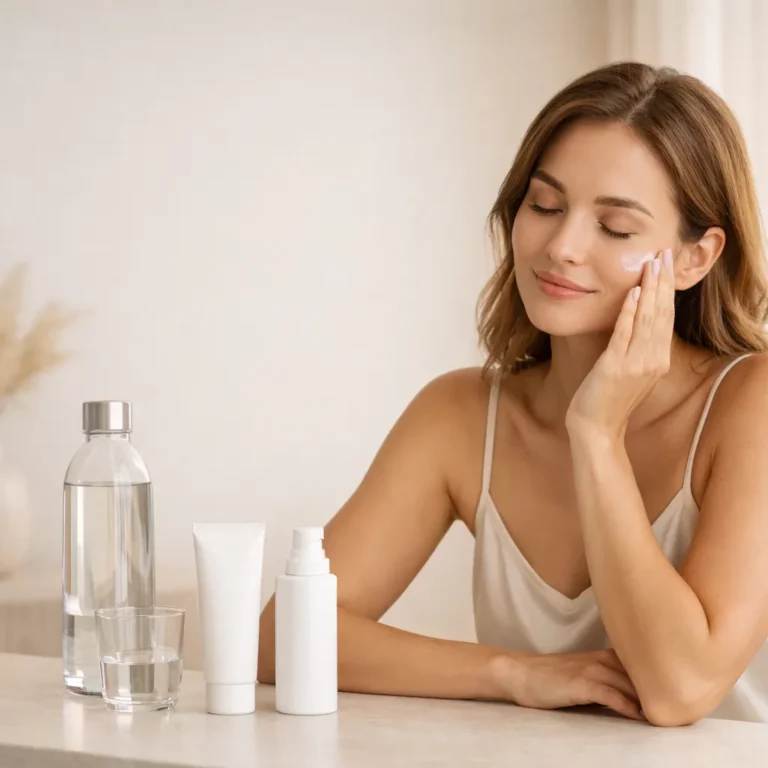
Getting dermal fillers in Santa Ana? Redness and swelling afterward are common but manageable. Here’s a quick guide to help your skin recover faster:
Apply Cold Compresses: Use for 5-10 minutes every hour for the first 24-48 hours to reduce inflammation.
Sleep with Head Elevated: Keep your head raised at a 30–45° angle for 2-3 nights to minimize fluid buildup.
Avoid Heat and Strenuous Exercise: Skip workouts, saunas, and hot showers for at least 48 hours to prevent worsening redness.
Stay Hydrated and Use Gentle Skincare: Drink 8-10 glasses of water daily and avoid harsh products like retinol for 4 days.
Consider Antihistamines or Arnica: These can help reduce swelling and redness, but consult your provider first.
Redness typically fades within 24–48 hours. If you notice severe symptoms like intense pain, spreading redness, or skin discoloration, contact your provider immediately.
2. Sleep with Your Head Elevated
One of the easiest ways to reduce redness and swelling after fillers is by sleeping with your head elevated. Lying flat can cause fluids to collect in your face, but keeping your head raised at a 30–45° angle helps encourage natural fluid drainage [2].
“Elevating your head while sleeping is a critical yet often overlooked strategy for reducing post filler swelling. This simple technique leverages gravity to minimize fluid accumulation and promote faster healing by preventing blood and lymphatic fluid from pooling in treated areas.” – The Injection Room [2]
To maintain this elevation, consider using a wedge pillow, which provides a steady incline. If you don’t have one, stack two or three pillows, ensuring they support your entire upper body rather than just your neck. Sharp angles can do more harm than good, potentially increasing swelling instead of reducing it [2]. Stick to this position for at least the first 2 to 3 nights after your procedure, as swelling usually peaks around the 48-hour mark, as seen in this day-by-day healing timeline [2][8].
Make sure to sleep on your back during this time to avoid putting pressure on the treated areas, as this could cause the filler to shift (a common cause of lip filler migration) [7][8]. If you tend to roll over in your sleep, adding extra pillows around your body can help keep you in place [9]. Also, opt for clean cotton pillowcases to prevent irritation to your healing skin [2]. These small adjustments can set the stage for smoother recovery and better results.
3. Avoid Heat and Strenuous Exercise
After getting fillers, it’s important to skip exercise and hot showers for a while, as both can make redness and swelling worse. Activities like intense workouts or exposure to heat increase your heart rate and cause blood vessels to expand, which can lead to more inflammation and bruising[2].
“Heat and intense movement can significantly disrupt your body’s healing process, potentially causing increased inflammation, migration of filler material, and prolonged recovery time.” – The Injection Room [2]
To keep your results intact, take it easy for at least 48 hours after your treatment. That means avoiding activities like weightlifting, running, or cycling[1][2]. Also, steer clear of heat sources such as saunas, steam rooms, hot tubs, or even hot showers during this time. Instead, use lukewarm water when washing your face or bathing. If you’ve had lip fillers, it’s a good idea to skip hot drinks like coffee or tea for the first 24 hours, as they can cause extra swelling in the area[10].
Be cautious with activities that involve bending forward – like certain yoga or Pilates poses – since these can lead to blood pooling and potentially cause filler migration[1][10]. Dr. Leslie Baumann, a board-certified dermatologist, advises, “If you exercise after fillers you will have more swelling and bruising than if you relax and stay calm” [10]. Taking time to rest now will help ensure your fillers settle properly.
4. Stay Hydrated and Use Gentle Skincare Products
Taking care of your skin after injectables and skin treatments goes beyond just physical rest – hydration and a gentle skincare routine play a big role in easing redness and promoting healing.
Start by staying hydrated. Aim for 8 to 10 glasses of water daily during the first 48 to 72 hours after your treatment. Keeping your body hydrated helps its natural healing process, reduces swelling, and supports your skin’s protective barrier when it’s most sensitive[2].
“Hydration helps with healing (and does all kinds of other good things for your body), so after you’ve gotten lip fillers, top off your favorite water bottle and tote it around with you for the day” – Dr. Taryn Murray, dermatologist at Cleveland Clinic[3]
Stick to room-temperature water and add hydrating foods like cucumber, watermelon, and leafy greens to your diet. At the same time, avoid hot or cold drinks, alcohol, and caffeine for 24–48 hours. These can dehydrate your body and act as blood thinners, potentially making bruising and swelling worse[2].
When it comes to skincare, keep things simple and gentle. Use a mild, fragrance-free cleanser, and steer clear of products with active ingredients like retinol, alpha-hydroxy acids (AHAs), beta-hydroxy acids (BHAs), or Vitamin C for at least four days after your procedure[6].
“The last thing you want to do is irritate already sensitive tissue because that diverts skin’s self-healing focus from your injection sites to the areas that are now inflamed by your skincare selections” – Kayla Kernel from Dr. Dennis Gross Skincare[6]
For sun protection, choose an all-mineral sunscreen with zinc oxide or titanium dioxide, as chemical sunscreens can irritate sensitive areas. If you wear makeup, wait at least 24 hours before applying it to avoid introducing bacteria to the healing sites. For lip filler aftercare, consider using a hydrating ointment if needed to keep the area moisturized.
5. Try Antihistamines or Arnica
Looking for ways to ease redness after fillers? Here’s a tip: your body’s immune response often causes temporary redness and swelling post-treatment. This happens because white blood cells release inflammatory chemicals, boosting blood flow and making capillaries more permeable, which leads to fluid buildup in the treated area.
Antihistamines can help by blocking these inflammatory chemicals, calming the vascular response, and reducing both redness and puffiness. Similarly, arnica, a natural remedy, contains helenalin, which works to limit the release of histamine and cytokines, effectively reducing inflammation and swelling.
“Helenalin works by blocking a protein called NF-κB, which normally triggers the release of inflammatory chemicals like histamines and cytokines. By calming this reaction, helenalin helps to reduce redness, swelling, and discomfort after the filler is injected.” – Dr. Leslie Baumann, MD, Dermatologist [11]
If you’re considering arnica, using a topical gel or cream can be a great option. Apply a thin layer gently to the treated area three to four times daily, starting the day after your procedure. Research shows that a 20% arnica formulation can speed up the resolution of bruises – a helpful advantage since bruising happens in 19% to 24% of filler patients [5].
Before using antihistamines or arnica, consult your healthcare provider. Avoid these remedies if you’re taking blood-thinning medications like ibuprofen, aspirin, or warfarin, or supplements such as fish oil or Vitamin E, as they can increase bruising. For pain relief, acetaminophen (Tylenol) is a safer choice since it doesn’t thin the blood. Additionally, steer clear of arnica if you’re pregnant, breastfeeding, or allergic to plants in the Asteraceae family.
Conclusion
Experiencing redness and bruising after fillers is perfectly normal and typically subsides within 48–72 hours [4][2]. To promote faster healing, you can follow a few simple steps: apply cold compresses, sleep with your head elevated, avoid heat and strenuous exercise, stay hydrated, and stick to gentle skincare products. If approved by your provider, incorporating arnica may also help reduce inflammation and support recovery.
Keeping track of your healing process with daily photos can be a helpful way to monitor progress [2]. This, combined with the aftercare tips above, ensures you’re giving your skin the best chance to recover smoothly. However, if you notice severe symptoms like intense pain, spreading redness, skin blanching, or vision changes, it’s critical to contact your provider immediately [4][3].
“Extreme pain, paleness in your lips or the skin around them, or purple discoloration of the skin around your lips… could all be a sign of a vascular occlusion, or a blockage in your blood vessels. If you experience any of these, immediately contact your healthcare provider for an evaluation.” – Dr. Taryn Murray, Dermatologist, Cleveland Clinic [3]
For personalized aftercare and professional guidance, reach out to Calista Aesthetics. Their expert team is ready to support you throughout your treatment journey.
FAQs
You can typically get back to your usual daily routine the day after receiving filler treatment. That said, there are a few things you’ll want to steer clear of for at least 6 to 10 hours post-treatment: intense workouts, alcohol, and excessive heat (like saunas or long, hot showers).
If you notice any redness or swelling, stick to the aftercare tips your provider shared. You might also find it helpful to use a gentle, fragrance-free skincare product to soothe your skin. Pay attention to how you’re feeling, and don’t hesitate to take it easy if you experience any discomfort.
After receiving a filler treatment, it’s essential to focus on keeping your skin calm and avoiding anything that might cause irritation or worsen redness. For the first 48 hours, stay away from blood-thinning substances like aspirin, ibuprofen, fish oil, vitamin E, and certain herbal supplements such as ginseng or St. John’s wort. These can make bruising and redness more noticeable.
It’s also a good idea to skip harsh or active skincare products during this time. Ingredients like retinol, prescription-strength retinoids, alpha-hydroxy acids (AHAs), beta-hydroxy acids (BHAs), and chemical exfoliants can irritate the treated area. Instead, opt for a gentle, fragrance-free cleanser and a soothing, non-comedogenic moisturizer to help your skin recover smoothly.
At Calista Aesthetics, we offer customized aftercare guidance to ensure the best results. This includes recommending calming products like hyaluronic acid serums or aloe-based gels to minimize redness and promote healing. If you’re unsure about what to use or need specific advice, our team is ready to create a post-treatment plan tailored just for you.
If you’re feeling some discomfort after your filler treatment, you can take an over-the-counter pain reliever like acetaminophen to ease it. However, steer clear of NSAIDs like ibuprofen or aspirin unless your provider specifically recommends them. These medications can increase the chances of bruising or swelling. Stick to your provider’s advice to ensure a smooth recovery and the best possible results.