

Common Skin Texture Problems and Ingredient Solutions
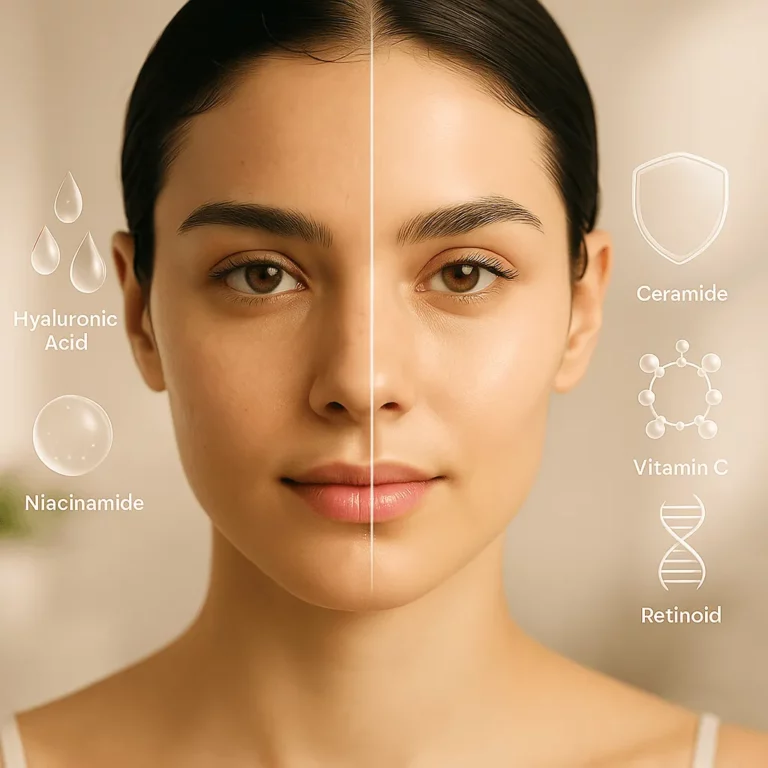
Struggling with uneven skin texture? Whether it’s dryness, bumps, or dullness, the right ingredients can make a big difference. Here’s a quick guide to common skin texture issues and how to address them:
Dry Skin: Look for hydrating ingredients like hyaluronic acid, ceramides, and natural oils (e.g., jojoba). Apply products to damp skin and layer moisturizers to lock in hydration.
Bumpy Skin: Use salicylic acid to unclog pores, niacinamide to control oil, and azelaic acid for gentle exfoliation. AHAs can smooth rough patches but should be used sparingly.
Dull Skin & Dark Spots: Brighten with vitamin C, AHAs, and retinoids. Consistent sunscreen use is essential to prevent further discoloration.
Aging Skin: Retinoids, peptides, and ceramides help improve firmness and reduce wrinkles. Pair with hyaluronic acid for added hydration.
For persistent issues, professional treatments like microneedling, chemical peels, or dermal fillers can provide advanced results. Always start with a tailored skincare routine and consult a specialist for stubborn concerns.
Key takeaway: Identify your skin’s specific needs, choose effective ingredients, and stay consistent with your routine for smoother, healthier skin.
Secret Tips For Smoothing Textured Skin from a Dermatologist!
Dry and Rough Skin: Causes and Solutions
Dry and rough skin is a common issue for millions across the United States, especially during the colder months when indoor heating and seasonal shifts pull moisture out of the air. Knowing what causes these skin changes – and how to address them – can help turn flaky, uncomfortable skin into a smoother, more hydrated surface.
Signs of Dry and Rough Skin
Dry skin often starts with flakiness, where tiny scales of dead skin become noticeable. You might feel a tight sensation, particularly after washing your face or stepping out of a shower. Rough, uneven patches can develop, making your skin feel gritty and even complicating makeup application. Mild itching and a persistent feeling of tightness are also common complaints.
Hydration and Barrier Repair Ingredients
When it comes to addressing dry skin, certain ingredients stand out for their effectiveness:
Hyaluronic Acid: This ingredient is a hydration powerhouse. It draws moisture from the air and deeper layers of your skin, helping to plump and smooth rough areas. Clinical studies suggest that over 80% of individuals with dry skin notice significant improvements in skin texture after four weeks of regular use[8].
Ceramides: These naturally occurring lipids are essential for maintaining your skin’s barrier. Ceramide-enriched moisturizers can reduce moisture loss by as much as 40% in people with dry skin conditions[8]. They work by sealing in hydration and protecting against external irritants.
Natural Oils: Oils like jojoba and almond oil provide deep softening benefits. Jojoba oil is especially effective because it closely resembles the skin’s natural sebum, making it a great option for sensitive skin. Other oils, such as calendula oil and squalane, offer anti-inflammatory and soothing properties, which help calm irritation and support the skin’s healing process[5][9].
Application Tips
The way you apply your skincare products can make a big difference in their effectiveness. Here are a few tips to get the most out of your routine:
Apply hyaluronic acid serums to damp skin right after cleansing. This helps lock in moisture before it can evaporate.
Layer your products strategically. Start with lightweight serums, like the popular Neutrogena Hydro Boost, and follow up with a thicker ceramide-based moisturizer to seal in hydration.
For extremely dry or compromised skin, finish your nighttime routine with an occlusive agent like petrolatum. While it might feel heavy, it creates a barrier that locks in moisture overnight, leaving your skin feeling softer by morning.
Bumpy and Acne-Prone Skin: Ingredient Solutions
Studies show it can significantly reduce acne lesions and improve skin texture within 4–8 weeks of regular use [11]. It’s particularly effective for blackheads and small bumps that are tough to treat.
Niacinamide: Known as vitamin B3, niacinamide tackles inflammation and controls oil production. Research suggests it can reduce acne by up to 60% while strengthening the skin barrier within 8–12 weeks of consistent use [6]. It also soothes redness and minimizes the appearance of pores, making the skin look smoother overall.
Azelaic Acid: This multitasking ingredient gently exfoliates and reduces inflammation, making it a great choice for sensitive, congested skin. It also targets acne-causing bacteria, addressing multiple causes of bumpy skin [6].
Alpha Hydroxy Acids (AHAs): Ingredients like glycolic and lactic acid promote surface-level cell turnover, smoothing out rough or uneven areas. However, they should be used carefully to avoid over-exfoliation [12].
Usage Guidelines
To get the best results from these ingredients without irritating your skin, follow these tips:
Start with salicylic acid at a low concentration, applying it 2–3 times a week. Gradually increase usage as your skin adjusts [11].
Niacinamide is gentle enough for daily use and works well with most other ingredients, making it a versatile option for morning or evening routines [6].
Introduce azelaic acid or AHAs slowly, starting with 1–2 applications per week. Watch for signs of irritation like redness or dryness, as overuse can harm the skin barrier [12].
Always pair acid-based treatments with a hydrating moisturizer to keep your skin balanced, and don’t forget sunscreen during the day – these ingredients can make your skin more sensitive to the sun.
If over-the-counter treatments don’t improve congestion, consider professional options like chemical peels or microneedling for more intensive results.
Dull Skin and Dark Spots: Brightening Solutions
Dull skin and dark spots can rob your complexion of its natural glow.
What Causes Dullness and Dark Spots
One of the main culprits behind dull skin and dark spots is sun damage. When your skin is exposed to UV rays, it ramps up melanin production as a defense mechanism. Over time, this process can lead to sun spots and uneven pigmentation. UV exposure also breaks down collagen, slows down cell turnover, and weakens the skin’s structure, all of which contribute to a tired, lackluster appearance. On top of that, if dead skin cells aren’t regularly exfoliated, they can pile up on the surface, preventing light from reflecting off your skin properly, making it look even duller [3].
Dark spots can also result from post-inflammatory hyperpigmentation, which often occurs after acne or skin injuries. During the healing process, the skin may produce excess melanin, leaving behind noticeable dark marks [3].
Other factors, like pollution and smoking, can speed up skin damage and dullness [3]. In fact, the American Academy of Dermatology estimates that 90% of visible skin aging is linked to sun exposure, highlighting the importance of sun protection in preserving your skin’s clarity and brightness [8].
Brightening Ingredients
The right mix of active ingredients can tackle both surface dullness and deeper pigmentation issues. Here are some of the most effective options:
Alpha hydroxy acids (AHAs): AHAs like glycolic and lactic acid work by exfoliating dead skin cells, revealing the fresh, brighter layer underneath. With regular use, AHAs can improve cell turnover and brighten your complexion in 4–8 weeks [13][6][8]. Glycolic acid is particularly effective because it penetrates deeply for noticeable results.
Vitamin C: Known for its dual action, vitamin C brightens skin by reducing melanin production and protects it by neutralizing free radicals caused by UV rays and pollution [3][8]. For the best results, opt for serums containing L-ascorbic acid.
Retinoids: Retinoids, like retinol, speed up cell turnover and help fade hyperpigmentation while improving skin texture [3][13]. This ingredient not only brightens but also smooths rough patches and reduces fine lines.
Niacinamide (Vitamin B3): If you have sensitive skin, niacinamide is a gentler option for reducing hyperpigmentation. It also strengthens the skin’s barrier while minimizing irritation risks [6][8].
For more persistent dark spots, hydroquinone is considered one of the most effective lightening agents when used under professional guidance [8]. Alternatively, kojic acid and tranexamic acid provide similar benefits with a lower likelihood of irritation.
To maintain the results of these brightening ingredients, daily sun protection is a must.
Daily Sun Protection
Sun protection is non-negotiable if you want to see results from brightening treatments. Without it, your progress could be undone, as many brightening actives increase your skin’s sensitivity to UV rays, making it more prone to pigmentation and damage [4].
Dermatologists recommend using a broad-spectrum sunscreen with at least SPF 30 every morning, no matter the weather [3][4]. Mineral-based sunscreens with zinc oxide or titanium dioxide are ideal for sensitive skin, as they protect effectively without irritation [8].
Apply sunscreen as the final step in your morning routine, covering areas like your neck, ears, and hands. Reapply every two hours if you’re outdoors for extended periods.
With consistent use of brightening ingredients and diligent sun protection, most people notice an improvement in skin radiance within 2–4 weeks. However, fading dark spots usually takes 8–12 weeks of regular care [4]. Stick to your routine, as skipping applications or neglecting sunscreen can slow down your progress. Patience and consistency are key to achieving that luminous, even-toned complexion.
Aging Skin: Wrinkles and Texture Changes
As we age, our skin undergoes noticeable changes, both in how it looks and how it feels. Understanding these shifts can help you pick the right ingredients to bring back smoothness and firmness.
Age-Related Texture Changes
Aging skin often develops fine lines, deeper wrinkles, a thinner and more fragile appearance, and a loss of firmness. These changes are driven by several factors:
Collagen production drops by about 1% every year after the age of 20[8].
Cell turnover slows down, causing dead skin cells to accumulate and dull the skin’s surface[3].
Lipids and ceramides – essential for a strong skin barrier – decrease, leading to dryness and a compromised barrier.
Ingredients That Support Aging Skin
Tackling these changes means targeting the root causes with effective ingredients:
Retinoids: Known as the gold standard in anti-aging, retinoids improve both wrinkles and skin texture. A 2024 clinical review showed that using retinoids for 12 weeks reduced fine lines and wrinkles by 20–30% in participants aged 40–65[9]. Options range from over-the-counter retinol to prescription-strength tretinoin, depending on your skin’s needs.
Peptides: These help repair the skin and rebuild its structural support, improving firmness and elasticity over time.
Ceramides: These restore the skin’s barrier, locking in moisture. Studies show that ceramide-based moisturizers can boost hydration levels by over 50% within four weeks in adults experiencing age-related dryness[8].
Hyaluronic Acid: Famous for its hydrating power, this ingredient can hold up to 1,000 times its weight in water[6], helping to plump the skin and reduce the look of fine lines.
Incorporating these active ingredients into your skincare routine can make a noticeable difference when used consistently.
Evening Skincare Routine
Nighttime is the perfect opportunity to focus on repair and hydration. Start with a gentle cleanser to maintain moisture, then apply a targeted serum like a retinoid or peptide-based product. For beginners, start with a lower concentration to avoid irritation. Finish with a rich moisturizer containing ceramides or hyaluronic acid, layering products from thinnest to thickest.
Don’t forget to use a broad-spectrum sunscreen during the day, as ingredients like retinoids can make your skin more sensitive to the sun. With regular use, you’ll start to see smoother, firmer skin over time.
For those dealing with stubborn texture issues, professional treatments can provide additional results. Options like microneedling or chemical peels, available at Calista Aesthetics, can refine your skin further when at-home care isn’t enough.
Professional Treatments for Stubborn Texture Problems
When persistent skin texture issues refuse to improve with regular skincare routines, professional treatments can offer advanced solutions. Whether it’s acne scars, chronic roughness, sun damage, or dehydration that won’t respond to moisturizers, clinical-grade treatments can make a noticeable difference[3].
Texture Treatments at Calista Aesthetics
At Calista Aesthetics, three specialized treatments target specific texture concerns, helping to restore smoother, healthier-looking skin.
Microneedling: This treatment uses ultra-fine needles to create tiny, controlled micro-injuries in the skin. The process stimulates collagen production and activates your body’s natural healing response. Research indicates microneedling can improve acne scars by up to 50% after multiple sessions[10]. It’s particularly effective for enlarged pores, general roughness, and various types of scarring. Each session costs between $200 and $700, with mild redness lasting 1–3 days as the only downtime.
Chemical Peels: By applying controlled acids, chemical peels exfoliate the skin’s surface, removing dead cells and speeding up cell turnover[12]. Superficial peels, using glycolic or lactic acid, address mild texture concerns, while deeper peels with trichloroacetic acid tackle more pronounced roughness and scars. Costs range from $150 to $600 per session. While superficial peels require little to no downtime, medium-depth peels might need up to a week for recovery.
Dermal Fillers: Ideal for depressed acne scars and uneven skin surfaces, dermal fillers use hyaluronic acid injections to lift and smooth out pitted areas. The results are immediate, creating a more uniform texture, and typically last for several months. With minimal downtime, this treatment starts at $600 per syringe and offers a quick, effective way to improve skin texture[3].
Custom Skincare Plans
Achieving smoother skin often requires a tailored approach. At Calista Aesthetics, personalized skincare plans begin with a detailed consultation to evaluate your skin type, texture concerns, and goals. This process helps create a treatment strategy that addresses your unique needs while delivering natural-looking results.
A custom plan might combine in-office treatments with at-home skincare. For instance, someone with persistent acne scars and roughness could follow a three-month series of microneedling sessions, complemented by gentle exfoliants and daily sunscreen use at home. This multi-faceted approach works to improve texture while supporting the skin’s natural healing process.
Clinical studies show that professional treatments, paired with targeted at-home care, can result in steady, long-lasting improvements as the skin rebuilds and repairs itself. For those frustrated by stubborn texture problems, these solutions go beyond topical products, offering a path to smoother, healthier skin.
Ingredient Comparison: Benefits and Usage
When it comes to improving skin texture, different skincare ingredients tackle specific concerns. This allows for a tailored approach to building your routine.
Chemical exfoliants like AHAs and BHAs work by sloughing off dead skin cells, revealing a smoother complexion. On the other hand, retinoids enhance cell turnover and stimulate collagen production for more lasting improvements. Meanwhile, ingredients like hyaluronic acid, niacinamide, and ceramides focus on hydration, repairing the skin barrier, and calming inflammation.
These ingredients, discussed earlier, can work together to address a range of skin texture issues effectively.
Ingredient Comparison Chart
To help you understand how these ingredients fit into your routine, here’s a quick breakdown of their benefits, best uses, possible side effects, and recommended frequency:
Ingredient | Benefits | Best For | Side Effects | Usage Frequency |
|---|---|---|---|---|
AHAs (Glycolic, Lactic) | Exfoliation, brightening, collagen support | Dry, dull, aging skin | Irritation, sun sensitivity | 1–3x/week |
BHAs (Salicylic) | Deep pore cleansing, oil control, anti-acne | Oily, acne-prone, congested skin | Dryness, irritation | 2–4x/week |
Retinoids | Cell turnover, anti-aging, texture smoothing | Aging, uneven texture, fine lines | Peeling, redness, dryness | 2–3x/week (night only) |
Hyaluronic Acid | Hydration, plumping | All skin types, especially dry | Rare, sticky feel | Daily (morning/night) |
Niacinamide | Oil control, redness reduction, barrier strengthening | All skin types, sensitive skin | Mild flushing (rare) | Daily |
Ceramides | Barrier repair, moisture retention | Dry, sensitive, compromised skin | Very rare | Daily |
Key Ingredient Highlights
AHAs like glycolic and lactic acids are excellent for exfoliating and brightening the skin. They also support collagen production, making them a go-to for dry or aging skin[6].
BHAs, such as salicylic acid, go deep into pores to clear out oil buildup. This makes them especially helpful for targeting blackheads, whiteheads, and congested pores[7].
Retinoids are known for their ability to reduce fine lines and improve skin texture, often delivering noticeable results within 12 weeks[9]. However, they may cause peeling and sensitivity as your skin adjusts.
Hyaluronic Acid is a hydration powerhouse, capable of holding up to 1,000 times its weight in water. This makes it ideal for plumping and smoothing dehydrated skin[8]. Plus, it’s gentle enough to use daily, both morning and night.
Niacinamide is a multitasking ingredient that helps with oil control, redness, and strengthening the skin barrier. Its versatility makes it suitable for nearly all skin types.
Ceramides are essential for restoring the skin’s protective barrier. Studies show that ceramide-based moisturizers can improve hydration and barrier function within just 4 weeks[8], making them particularly beneficial for sensitive or compromised skin.
Combining Ingredients for Best Results
Some ingredients work even better when paired together. For instance:
AHAs combined with hyaluronic acid and ceramides create a routine that exfoliates while maintaining hydration.
BHAs and niacinamide make a great duo for managing oil production and calming inflammation in acne-prone skin.
When using retinoids, adding ceramides and hyaluronic acid can help reduce irritation while maximizing anti-aging effects.
To avoid overwhelming your skin, introduce new active ingredients one at a time and monitor how your skin reacts. This approach ensures you can fine-tune your routine for the best results.
Achieving Smooth, Healthy Skin
Getting smooth, healthy skin isn’t about quick fixes – it’s about consistent care and tailoring your routine to your unique needs. Dermatologists report that more than 70% of patients seeking professional advice are concerned about skin texture issues like roughness, uneven tone, and enlarged pores [8].
The basics? Start with gentle, daily habits. A mild cleanser is key to protecting your skin’s barrier, and harsh scrubbing should be avoided [2][7]. Ingredients like AHAs and BHAs can boost cell turnover by up to 30%, making them excellent for enhancing the results of professional treatments [6][8].
For stubborn texture problems, professional guidance can be a game-changer. While at-home products can work wonders, some concerns call for expert assessment and advanced treatments. This is where personalized consultations, like those offered by Calista Aesthetics, come into play. They start by understanding your specific goals and skin concerns, ensuring your routine is tailored to you.
Professional treatments such as microneedling, chemical peels, and custom skincare plans can address texture issues that topical products alone might not fully resolve. These treatments amplify the effectiveness of your daily actives, including retinoids, AHAs, and ceramides, creating a more comprehensive approach to smooth skin.
Maintaining results over the long term requires regular attention and occasional tweaks. Your skin evolves over time due to factors like aging, hormonal shifts, and environmental exposure. Regular check-ins with a professional ensure your routine adapts to these changes. As Calista Aesthetics puts it:
“Enjoy natural-first results, and follow-up support anytime.” – Calista Aesthetics
Don’t forget sunscreen! A broad-spectrum SPF 30+ is essential to protect your skin from UV damage and to maintain the progress you’ve made, especially when using actives that increase photosensitivity.
Smooth, healthy skin takes time. Clinical studies reveal that consistent use of vitamin C serums can reduce hyperpigmentation and improve skin radiance in over 80% of participants after 12 weeks [8]. By combining diligent at-home care with expert treatments, you’re setting yourself up for lasting results and continuously smoother skin.
FAQs
Finding the right skincare routine for dry, acne-prone skin can feel like walking a tightrope, but the right ingredients can make all the difference. Start by incorporating hyaluronic acid to deliver deep hydration without clogging your pores. Pair it with niacinamide, which helps soothe inflammation and keeps oil production in check. Another helpful addition is salicylic acid, a gentle exfoliant that clears out pores without the harshness often associated with stronger acne treatments.
To get the most out of your routine, stick to a gentle cleanser that won’t strip your skin, avoid over-exfoliating, and always follow up with a lightweight, non-comedogenic moisturizer to lock in hydration. If you’re feeling overwhelmed or unsure where to begin, a skincare professional can help craft a plan designed specifically for your skin’s needs.
To ease retinoids into your skincare routine without overwhelming your skin, start slow. Use them once or twice a week at night. After cleansing, make sure your skin is completely dry – this step helps reduce the chance of irritation. Then, apply a pea-sized amount of the product and follow up with a moisturizer to lock in hydration.
As your skin adjusts, you can gradually increase the frequency to every other night or follow the guidance of your skincare professional. Don’t skip sunscreen during the day – retinoids can make your skin more sensitive to sunlight. For a routine tailored specifically to your skin’s needs, consulting a skincare expert, like those at Calista Aesthetics, can be a great way to get expert advice.
Professional treatments like microneedling and chemical peels offer a more focused approach to improving skin texture compared to most at-home products. These procedures work beneath the surface, targeting issues such as rough patches, uneven skin tone, and fine lines by boosting collagen production and encouraging skin renewal.
Although daily skincare products are essential for maintenance, professional treatments deliver more visible and lasting results under the guidance of trained specialists. Clinics such as Calista Aesthetics can personalize these treatments to meet your specific skin concerns, ensuring they are both safe and effective for your individual needs.