

Ultimate Guide to Post-Treatment Skincare
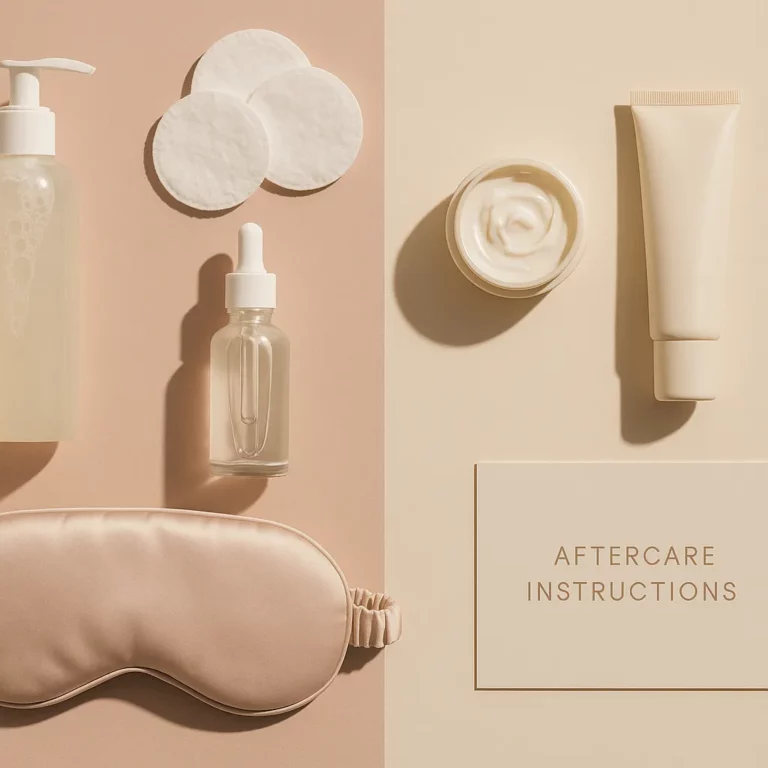
After treatments like microneedling, chemical peels, or fillers, your skin needs extra care to heal and deliver the best results. Without proper aftercare, you risk redness, irritation, or even infection. Here’s the bottom line:
Why aftercare matters: Treatments weaken your skin barrier temporarily, making it vulnerable. Supporting recovery ensures better results and fewer complications.
Core steps: Focus on gentle cleansing, hydration, and sun protection. These basics prevent damage, speed up healing, and protect your investment.
What to avoid: Skip active ingredients (like retinoids or acids), harsh products, and heat exposure during recovery.
When to seek help: Contact your provider if you notice unusual symptoms like prolonged swelling, severe pain, or signs of infection.
The first 72 hours are the most critical. Use mild products, avoid makeup, and shield your skin from the sun. Long-term care, like consistent hydration and sunscreen use, ensures lasting results. Follow your provider’s tailored plan for the best outcome.
How Your Skin Heals After Treatment
Aesthetic treatments intentionally create controlled skin injuries to trigger inflammation, regeneration, and barrier repair [1][3][4]. The healing process varies depending on the type of treatment, making the recovery phase essential for achieving the best results. During this time, your skin needs extra care and attention to heal properly. Below, we’ll explore common post-treatment symptoms and how to support your skin during recovery.
Common Post-Treatment Symptoms
After most treatments, you may notice redness, swelling, dryness, sensitivity, and sometimes bruising or peeling. These symptoms are normal and typically resolve within a few days to a couple of weeks, depending on the procedure [1][4][7].
Microneedling or laser treatments: Expect redness and mild swelling for 2–3 days, resembling a sunburn [4].
Chemical peels: Redness, tightness, and peeling usually begin around days 3–5 and clear up within 1–2 weeks [1][3].
Injectables (like Botox or dermal fillers): Redness, swelling, or bruising at the injection site is common. Botox results take 3–7 days to fully activate, while fillers settle within two weeks [4].
Bruising from injectables often resolves within 10–14 days [7]. Non-invasive treatments like Botox or fillers cause minimal skin disruption, leading to quicker recovery. On the other hand, more intensive procedures like chemical peels or laser resurfacing create micro-wounds, requiring 2–4 weeks for full recovery [1][3].
Supporting Your Skin Barrier During Recovery
When your skin barrier is compromised, gentle care is essential. Focus on cleansing, moisturizing, and avoiding harsh products or physical irritation [2][6][7]. Use a pH-balanced, sulfate-free cleanser and follow up with a fragrance-free moisturizer to maintain hydration and prevent irritation [2][6][7]. Ingredients like hyaluronic acid, panthenol, and aloe vera are excellent for calming inflammation and aiding the healing process [2][7]. Products such as Vaseline, Aquaphor, or Revision D.E.J. Face Cream can also help soothe irritation [9].
For at least 7–10 days post-treatment, steer clear of exfoliants, retinoids, and strong acids to allow your skin to recover without added stress [1][2][4].
Hydration and healthy habits also play a role in recovery. Drink 6–8 glasses of water daily to support your skin from within [7]. Prioritize 7–9 hours of sleep each night and include moderate exercise in your routine to promote skin repair and regeneration [5]. Together, these lifestyle choices and your skincare routine create the ideal environment for healing.
While most recoveries go smoothly with proper care, there are certain symptoms that require immediate attention.
When to Contact Your Provider
If you notice prolonged or worsening swelling, severe pain, pus or unusual discharge, fever, or signs of infection – like increased redness or warmth at the treatment site – reach out to your provider immediately [1][7]. Persistent symptoms beyond the expected recovery timeline or concerns about scarring or pigmentation changes also warrant professional guidance [1][7].
Normal post-treatment reactions, such as redness, swelling, and sensitivity, should gradually improve over several days [4]. However, signs of an allergic reaction, such as intense itching, hives, or spreading redness, or signs of infection, like persistent pus, increasing pain, warmth, or fever, require prompt attention [1][7]. If something feels off or symptoms worsen instead of improving, don’t hesitate to contact your provider.
At Calista Aesthetics, follow-up visits are part of the care process, ensuring you receive personalized adjustments to your skincare routine and timely intervention if complications arise [7]. This support helps you navigate recovery confidently and addresses any concerns before they escalate.
First 72 Hours After Treatment
The first three days after your treatment play a crucial role in your healing process. During this time, your skin is particularly sensitive and needs careful attention to avoid irritation and promote recovery. By following the right steps, you can help minimize complications and support faster healing. Here’s how to care for your skin during this important period.
Gentle Cleansing and Moisturizing
Keep your skincare routine simple and gentle. Use a sulfate-free, pH-balanced cleanser, such as Cetaphil or Vanicream, to avoid irritating your skin. Cleanse 2–5 times a day with lukewarm water, following your provider’s instructions, and use soft patting motions instead of rubbing.
After cleansing, apply a hydrating, non-comedogenic moisturizer to help lock in moisture and support your skin’s recovery. Look for moisturizers with ingredients like ceramides, hyaluronic acid, panthenol, or niacinamide, which are known to aid in barrier repair and calm inflammation. Products like CeraVe Moisturizing Cream or Neutrogena Hydro Boost are excellent choices for gentle hydration. For extra care, you can apply a thin layer of petroleum jelly or an antibiotic ointment like bacitracin to particularly tender areas twice a day.
If your provider recommends a hydrating serum, apply it after cleansing, followed by your moisturizer and sunscreen.
Sun Protection and Avoiding Heat
Protecting your skin from the sun is critical after treatment. Treated skin is more vulnerable to UV damage, which can lead to hyperpigmentation and slower healing. Make sure to use a broad-spectrum, mineral-based sunscreen with SPF 30 or higher every morning. Sunscreens with zinc oxide or titanium dioxide are ideal, as they are gentle on sensitive skin. Reapply every two hours and wear a wide-brimmed hat when spending time outdoors.
Heat exposure can also harm your skin during this time. Avoid hot showers, saunas, steam rooms, and activities like hot yoga for at least 48 hours. Stick to lukewarm water for cleansing and keep your environment cool to reduce inflammation. If you experience swelling or discomfort, use a cool compress. Apply a wrapped ice pack or damp cloth to the treated area for 15 minutes every 1–2 hours during the first 24–48 hours to ease discomfort and reduce swelling.
What to Avoid in the First Few Days
To ensure proper healing, steer clear of certain activities and products during the first few days:
Makeup: Avoid all makeup, including foundation, concealer, powder, and tinted moisturizers, for 24–48 hours to let your skin breathe and heal.
Active Ingredients: Skip products containing retinol, vitamin C, AHAs, BHAs, or alcohol-based formulas for 5–7 days, as they can irritate your skin.
Strenuous Activity: Avoid heavy exercise for 48 hours. Light walking is fine, but sweating can irritate treated areas and increase the risk of infection.
Touching the Skin: Refrain from rubbing, scratching, or picking at treated areas, even if irritation occurs. This can lead to bacteria exposure, scarring, or delayed healing. If itching becomes severe, contact your provider for advice.
If you have blonde or red hair, be aware that you may experience prolonged redness. In such cases, you might need to extend the avoidance period for certain products. At Calista Aesthetics, your provider will give you personalized aftercare instructions tailored to your treatment and skin type, ensuring you have the guidance you need for a smooth recovery.
Best Products for Post-Treatment Care
Caring for your skin after a treatment is all about encouraging healing while avoiding anything that could slow down or disrupt the process. The right products can make a big difference, so it’s essential to know what to include in your routine – and what to leave out.
Top Ingredients for Recovery
When it comes to hydration, hyaluronic acid is a standout ingredient. It works wonders by attracting moisture to the skin, which is especially important during recovery. For best results, apply a hyaluronic acid serum to slightly damp skin before sealing it in with a moisturizer.
Another must-have is ceramides, which are natural lipids that help rebuild your skin’s protective barrier. This is crucial when your skin is in a vulnerable state. Products with ceramides can reduce sensitivity and lock in moisture, keeping your skin calm and hydrated.
Niacinamide is another powerhouse ingredient. Known for its ability to reduce redness and inflammation, it also supports barrier repair. This makes it particularly useful after treatments like injectables, where irritation can be a concern.
Other recovery-friendly ingredients include panthenol for soothing, squalane for lightweight hydration, and aloe vera for its cooling and calming properties. Together, these ingredients set the stage for effective healing while keeping your skin comfortable.
Don’t forget about sun protection. A broad-spectrum, mineral-based sunscreen with zinc oxide or titanium dioxide is your best bet for shielding sensitive, healing skin from harmful UV rays.
Ingredients and Products to Avoid
Some ingredients can do more harm than good during recovery, so it’s important to steer clear of them. Retinoids, for example, can irritate healing skin by increasing cell turnover. Similarly, alpha hydroxy acids (AHAs) and beta hydroxy acids (BHAs) – commonly used for exfoliation – should be avoided until your skin has fully healed, as they can cause redness or even scarring.
Stay away from alcohol-based products containing ethanol, denatured alcohol, or isopropyl alcohol, as these can strip natural oils and dry out already sensitive skin. Synthetic fragrances are another no-go, as they can trigger allergic reactions. Opt for fragrance-free formulations until your skin has fully recovered.
You’ll also want to avoid physical exfoliants like scrubs, brushes, or rough washcloths. These can cause unnecessary trauma to your skin, which could interfere with the healing process.
Custom Skincare Plans at Calista Aesthetics
While choosing the right ingredients is essential, having a personalized skincare plan can make all the difference in your recovery. At Calista Aesthetics, post-treatment care is tailored to your specific needs through a detailed three-step process.
The journey begins with the “Meet” phase, where providers take the time to understand your concerns and assess your skin’s unique condition. This is followed by the “Personalize” phase, where a customized recovery plan is created to match the intensity of your treatment and the pace of your healing.
“We map a plan that fits your features and timeline.” – Calista Aesthetics
This approach goes beyond simply recommending products. The team at Calista Aesthetics provides honest, thoughtful guidance to ensure you’re using only what your skin truly needs. The final step, the “Glow” phase, involves ongoing support. As your skin heals, you’ll receive adjustments and recommendations to fine-tune your routine, ensuring every product aligns with your current recovery stage.
Your plan will also consider the specific treatment you’ve undergone. For example, procedures like microneedling or chemical peels may require extra hydration and a longer period of avoiding active ingredients. On the other hand, treatments like Botox or fillers often come with fewer restrictions. With expert guidance, your recovery plan is refined to meet your skin’s exact needs.
Knowing not just what to use, but why certain products are beneficial, empowers you to take control of your skincare routine – both during the healing process and in the long term.
Recovery Times and Returning to Your Routine
After undergoing a skin treatment, it’s essential to follow a proper recovery timeline to protect your results and avoid setbacks. Each procedure impacts your skin differently, so knowing when to ease back into your skincare routine can make all the difference.
Recovery Times by Treatment Type
The time it takes to return to your regular skincare routine depends on the treatment you received. Here’s a quick breakdown:
Microneedling: Most people can resume their usual products within a week, once redness and mild swelling have subsided [4].
Chemical Peels: For lighter peels, it typically takes 1–2 weeks before reintroducing your routine. Deeper peels may require more time. Expect redness and tightness for the first few days, followed by peeling around days 3–5, which usually resolves within a week [4].
Dermal Fillers: You can generally return to your normal routine after two weeks, once any swelling or bruising has settled. Avoid touching or massaging the treated areas for at least 24 hours to ensure the filler stays in place [4].
Laser Treatments: Recovery varies depending on the laser’s intensity. Most people can resume regular skincare within 1–2 weeks, but active ingredients like retinoids may need to wait 4–6 weeks [8].
Once your skin looks and feels stable, you can start reintroducing active ingredients, but proceed with caution.
Adding Active Ingredients Back Safely
Patience is key when reintroducing active ingredients like retinoids, AHAs, and BHAs. Wait until your skin is completely free of redness, peeling, and sensitivity [8]. For most treatments, this means holding off on actives for at least 5–7 days, though deeper procedures may require several weeks [2] [4] [5].
When you’re ready, take it slow:
Start with lower concentrations than usual.
Introduce one active ingredient at a time.
For retinol, begin with every third night and gradually increase frequency as your skin adjusts [2] [5].
For example, after a medium-depth chemical peel, the first few days (1–3) will involve redness and tightness, so stick to a gentle cleanser, moisturizer, and sunscreen [4]. Peeling typically starts around days 4–7 – continue with gentle care and avoid exfoliants or actives during this time [4]. By day 7, if your skin feels calm and no longer sensitive, you can start using retinol every 2–3 nights, increasing gradually as tolerated [2] [4].
Pay attention to your skin’s signals. If you notice stinging, redness, or irritation, stop immediately and consult your provider [2] [5]. Your skin will let you know when it’s ready – listen to it.
Long-Term Sun Protection
Protecting your skin from the sun is even more important after a treatment. Post-procedure skin is more prone to UV damage, which can lead to hyperpigmentation, slower healing, and diminished results [3] [4].
Here’s how to stay protected:
Apply a broad-spectrum sunscreen with SPF 30+ every morning. Reapply every two hours if you’re outdoors [2] [3] [4].
Opt for physical sunscreens with zinc oxide or titanium dioxide, as these are gentler on sensitive, post-treatment skin [2] [3] [4].
Wear wide-brimmed hats and seek shade whenever possible, especially between 10 AM and 4 PM when the sun is strongest [3] [4].
These habits are essential during recovery, but they’re also crucial for long-term skin health. Staying diligent with sun protection helps maintain your treatment results and reduces the risk of future skin issues [3] [4].
Expert Tips for Long-Term Skin Health
The journey to healthier skin doesn’t end when you leave the clinic. The steps you take in the days, weeks, and months afterward play a huge role in maintaining your results and keeping your skin in top condition. These expert-backed tips will help you bridge the gap between recovery and long-term care, ensuring your skin stays radiant and healthy.
Getting the Most from Your Treatment
If you have a big event on the horizon, plan your treatments well in advance. This gives your skin the time it needs to heal completely and show its best results without the stress of a tight timeline.
For the first 24–48 hours after treatment, sleeping with your head elevated can work wonders. This helps reduce swelling and improves circulation, especially after procedures like dermal fillers or neurotoxin injections. An extra pillow or two can make all the difference in minimizing puffiness.
Cool compresses are another simple but effective way to ease discomfort and calm redness in treated areas. Apply them for 10–15 minutes as needed. It’s also important to avoid touching or disturbing the treated areas to allow products to settle properly. And don’t forget – steer clear of makeup and intense physical activities during the first 24–48 hours to support the healing process.
Why Follow-Up Appointments Matter
Your skin’s journey doesn’t stop after the initial recovery period. Follow-up appointments are a key part of maintaining and maximizing your results. These visits let your provider monitor your progress, assess the outcome, and fine-tune your skincare plan to suit your needs.
Since everyone’s skin reacts differently to treatments, these check-ins are especially valuable. What works seamlessly for one person might require slight adjustments for another. Regular follow-ups also help your provider catch and address potential concerns early, ensuring your results stay on track.
At Calista Aesthetics, follow-up care is always available, with appointments often scheduled for touch-ups or adjustments as needed. The timing of these visits will depend on your treatment type and personal goals. For many procedures, a series of sessions spaced about 30 days apart delivers the best results. Your provider will customize the schedule based on your skin’s unique response, so don’t skip these appointments – they’re essential for keeping your skin looking its best.
Long-Term Skincare Recommendations
Maintaining your results requires consistent care. Once you’ve recovered, sticking to a daily skincare routine is crucial. Start with the basics: a gentle cleanser, a hydrating moisturizer, and a broad-spectrum sunscreen with SPF 30 or higher. These three steps form the backbone of any effective post-treatment regimen.
Hydration is another cornerstone of long-term skin health. When your skin is well-hydrated, it heals faster, appears plumper, and retains its elasticity longer. Look for moisturizers and serums with ingredients like hyaluronic acid or ceramides to lock in moisture and support your skin’s barrier. Don’t forget to drink plenty of water – aim for 6–8 glasses a day to keep your skin hydrated from the inside out.
Once your skin has fully healed, gentle exfoliation can help maintain the smooth, glowing results from treatments like chemical peels or microneedling. However, it’s important to wait until your provider gives you the green light before reintroducing exfoliating products.
Sleep is another often-overlooked factor in skin health. Aim for 7–9 hours of quality sleep each night. During this time, your skin works to repair daily damage and produce new collagen, both of which are essential for maintaining treatment results.
At Calista Aesthetics, skincare plans are tailored to your specific treatments and goals. These personalized plans may include recommendations for gentle cleansers, hydrating serums, and scheduled follow-ups to adapt your routine as your skin evolves. This approach ensures balanced, natural results that stand the test of time.
Consistency is the secret to success. A simple routine that you follow daily is far more effective than an elaborate regimen you only stick to occasionally. Choose products and practices that fit your lifestyle, and don’t hesitate to adjust your routine as your skin’s needs change with the seasons, age, or additional treatments.
Key Takeaways for Post-Treatment Skincare
Taking care of your skin after a treatment is just as important as the treatment itself. Proper aftercare plays a huge role in how well your skin heals and how long the results last. Here’s a quick recap of the most important points.
The basics of post-treatment care boil down to three key steps: gentle cleansing, hydrating with moisturizers, and daily sun protection. These steps help support your skin’s natural healing process and protect it as it recovers.
For the first 1–2 weeks, steer clear of harsh ingredients like retinoids, acids, scrubs, or alcohol-based products. Once your skin starts to heal, you can gradually reintroduce active ingredients, but only under the guidance of a professional.
Stay in close touch with your provider during recovery. If you notice severe or ongoing symptoms, don’t hesitate to reach out for advice. Personalized care plans – such as those from Calista Aesthetics – are designed to meet the unique needs of your skin and the specific treatment you’ve undergone. This tailored approach acknowledges that everyone’s skin responds differently, so having expert guidance ensures your recovery is smooth and effective. At Calista Aesthetics, clients benefit from ongoing support, emphasizing how vital proper aftercare is for achieving balanced, natural-looking results.
Remember, consistent aftercare doesn’t just speed up healing – it also promotes long-term skin health. Staying hydrated by drinking 6–8 glasses of water daily helps your skin recover from the inside out. Meanwhile, using barrier-repairing and hydrating products restores your skin’s protective functions. Research confirms that effective post-treatment care improves results [3], proving that your at-home routine is just as crucial as the treatment itself.
Your skin’s recovery journey continues well beyond the treatment room. By sticking to these proven tips and keeping an open line of communication with your provider, you’re giving yourself the best shot at achieving the glowing, healthy results you’re looking for.
FAQs
Proper care after your treatment is key to helping your skin heal well and getting the best possible results. Always start by following the specific instructions your skincare professional provides, as these are designed with your treatment and unique skin needs in mind.
Here are a few general tips to keep in mind:
Hydrate your skin using a gentle, fragrance-free moisturizer to promote healing and maintain comfort.
Protect against the sun by avoiding direct exposure and applying a broad-spectrum sunscreen with SPF 30 or higher every day.
Avoid harsh products like exfoliants, retinol, or acids until your skin has fully recovered to prevent irritation.
If you’re not sure which products are safe to use or need tailored guidance, experts like those at Calista Aesthetics can help. They specialize in post-treatment skincare and can create a plan to support your skin’s recovery and results.
After your treatment, keeping an eye on your skin is crucial to ensure it heals properly. Reach out to your provider if you notice intense redness, swelling that seems to get worse instead of better, unusual or severe pain, ongoing itching, or any signs of infection like pus or a fever. These symptoms might suggest a reaction that needs medical attention.
Remember, your provider is there to guide you through the recovery process and help you achieve the best outcome. If anything feels off or you’re worried about something, don’t hesitate to contact them.
After a skincare treatment, your skin tends to be more delicate and needs gentle care to recover fully and get the best results. Using strong ingredients like retinol, exfoliants, or alcohol-based products can irritate your skin, slow down the healing process, or even interfere with the treatment’s benefits. Likewise, activities such as prolonged sun exposure, swimming, or intense workouts can heighten the chances of irritation or infection.
To keep your skin safe, stick to the aftercare instructions provided by your specialist and opt for gentle, hydrating products. If you’re unsure about what to avoid, reach out to your skincare provider for tailored advice.