

Ultimate Guide to Aftercare for Aesthetic Treatments
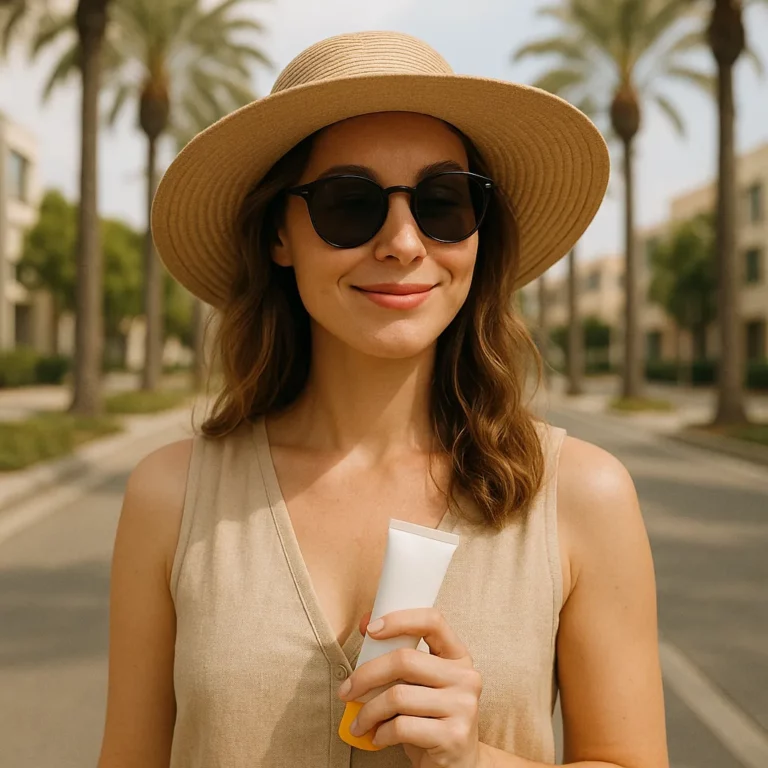
When it comes to aesthetic treatments like Botox, fillers, or microneedling, how you care for your skin afterward is just as important as the procedure itself. Proper aftercare ensures smooth healing, reduces risks like swelling or infections, and helps maintain the results longer. Here’s what you need to know:
Sun protection is critical: Always use SPF 30+ and avoid direct sunlight to prevent pigmentation issues.
Avoid strenuous activities: Skip exercise, saunas, and alcohol for 24–48 hours to minimize swelling and bruising.
Gentle skincare is key: Use mild cleansers and moisturizers, avoiding harsh products like retinoids or exfoliants.
Follow specific instructions: Each treatment (e.g., Botox, fillers, microneedling) has unique aftercare steps, like keeping your head elevated or avoiding makeup.
Ignoring aftercare can lead to complications like uneven results, prolonged swelling, or even infections. Pay attention to any unusual symptoms like excessive pain or discoloration and contact your provider if needed.
The first 24–48 hours are the most sensitive period, so treat your skin with care. Long-term maintenance, like using sunscreen daily and scheduling follow-ups, will keep your results looking their best.
Read on for detailed aftercare tips tailored to your treatment type.
Hyaluronic Acid Dermal Filler Aftercare Instructions
Why Aftercare Matters for Aesthetic Treatments
Aftercare plays a crucial role in ensuring the best results from your aesthetic treatment. Even the most skillfully performed procedure can fall short if proper aftercare is overlooked.
Many non-surgical aesthetic treatments involve controlled trauma to the skin – whether it’s the micro-injuries caused by microneedling or injection sites from fillers. During this healing phase, your skin is in a fragile state and needs appropriate care to recover fully and deliver the desired outcome.
How Aftercare Affects Treatment Results
Following aftercare instructions helps your skin heal smoothly and supports your body’s natural recovery process, which often translates to better and longer-lasting results.
The specific steps you take after a procedure can make a noticeable difference. For instance, after dermal fillers, keeping your head elevated, applying a cold compress, and avoiding intense physical activity for 24–48 hours can help reduce swelling, minimize bruising, and ensure even distribution of the product.
With treatments like chemical peels or microneedling, protecting your skin from the sun is non-negotiable. Freshly treated skin is particularly sensitive to UV rays, and skipping sun protection can lead to pigmentation problems, such as uneven skin tone.
In clinical practice, patients who diligently follow aftercare guidelines tend to experience fewer complications and achieve better results. Often, the extra attention to aftercare is what elevates outcomes from satisfactory to outstanding.
Risks of Skipping Aftercare
Ignoring aftercare can lead to complications that affect both your recovery and the final results. Common issues include prolonged swelling, excessive bruising, infection, and uneven results – many of which are preventable with proper care.
For example, failing to keep the treated area clean or using harsh skincare products can weaken the skin’s protective barrier, increasing the likelihood of infection. Even a minor infection can cause scarring or pigmentation changes, potentially requiring additional treatments to correct.
In the case of dermal fillers, premature massaging of the area or engaging in vigorous exercise can cause the product to shift. This may result in lumps, asymmetry, or an unnatural appearance – problems that often require corrective procedures and add to your overall cost and recovery time.
Similarly, with resurfacing treatments like chemical peels, neglecting sun protection can trigger post-inflammatory hyperpigmentation. These dark spots can take months to fade and may require further treatments to resolve.
Neglecting aftercare doesn’t just risk complications – it can also shorten the lifespan of your results. Poor healing may lead to the need for earlier touch-ups or corrective procedures, undermining the time and investment you’ve put into your treatment.
Next, we’ll cover some essential aftercare tips that apply to all non-surgical treatments.
Basic Aftercare Rules for All Non-Surgical Treatments
Whether you’ve had Botox, dermal fillers, microneedling, or chemical peels, some core aftercare rules apply across the board. These guidelines, aligned with Calista Aesthetics’ personalized approach, are vital for a smooth recovery and getting the best results from your treatment.
The initial 48 hours – especially the first 12 – are critical for healing. Gentle, consistent care during this time lays the groundwork for a successful recovery.
Sun Protection and Daily Skin Care
Protecting your skin from the sun is non-negotiable after any aesthetic treatment. Post-treatment skin is extra sensitive to UV rays, which can increase the risk of pigmentation issues and slow down healing[1]. This sensitivity can last for days or even weeks, so guarding your skin during this period is essential.
Here’s how to shield your skin effectively:
Use a broad-spectrum sunscreen with SPF 30 or higher daily, even if you’re indoors near windows.
Reapply sunscreen every two hours when outside, and consider wearing protective clothing like wide-brimmed hats.
Minimize sun exposure between 10 a.m. and 4 p.m., when UV rays are strongest.
Right after your treatment, simplify your skincare routine. Stick to fragrance-free, gentle cleansers and avoid products with active ingredients like retinoids, glycolic acid, or salicylic acid for several days. A soothing, non-comedogenic moisturizer can help keep your skin hydrated and support its healing, especially since your skin barrier may be temporarily weakened.
Activity and Lifestyle Adjustments
What you do in your daily life can significantly impact your recovery. Certain activities and habits can either help or hinder the healing process. For the first 24–48 hours, avoid intense exercise, saunas, steam rooms, and alcohol. Here’s why:
Exercise and heat: Strenuous activity increases blood flow, which can worsen swelling, while hot environments can dilate blood vessels and prolong inflammation.
Alcohol: It acts as a blood thinner and can dehydrate your body, complicating recovery.
On the flip side, staying hydrated can boost healing and maintain skin elasticity, so drink plenty of water during your recovery.
What to Avoid After Treatment
To ensure smooth healing and avoid complications, steer clear of the following:
Touching or rubbing the treated area: This can introduce bacteria, increasing the risk of infection, or cause injectables to shift[3].
Makeup: Avoid applying makeup for at least 24 hours – or longer if your skin is red or has open areas. When you resume, use clean brushes and gentle, non-comedogenic products[6].
Exfoliating treatments: Hold off on scrubs, brushes, or exfoliation devices until your provider gives you the green light. Exfoliating too soon can disrupt the healing process and damage your skin’s protective barrier.
Beyond these specific precautions, maintaining a healthy diet, getting enough sleep, and avoiding smoking can further enhance your recovery and help extend the benefits of your treatment.
First 24 Hours After Treatment
The first 24 hours following an aesthetic treatment mark the beginning of your body’s natural healing process. How you care for your skin during this time plays a big role in ensuring a smooth recovery. It’s common to experience some swelling or redness after treatments like dermal fillers or neurotoxin injections, but these effects are usually mild and manageable with the right approach[1].
During this initial period, your skin is more sensitive than usual. The treatment temporarily disrupts your skin’s protective barrier, leaving it vulnerable to external elements. Taking the right steps now helps minimize downtime and lays the groundwork for the best possible results. Here’s how to manage the early symptoms and what to avoid on day one.
Handling Swelling and Redness
Swelling and redness are normal responses to treatment and indicate that your healing process is underway. The goal is to manage these symptoms effectively, not eliminate them entirely.
Use a cold compress: Wrap a cold compress in a cloth and apply it to the treated area for 10-15 minutes at a time, several times throughout the day[4]. Never place ice directly on your skin, as this can cause irritation or damage. This simple step helps reduce inflammation and provides quick relief.
Cleanse gently: Use a mild, non-abrasive cleanser to clean the treated area[2][3]. When drying your skin, pat it gently with a clean towel instead of rubbing. This prevents bacteria from entering any micro-wounds and supports natural healing.
Elevate your head while sleeping: Prop yourself up with an extra pillow when you sleep[3][4]. Keeping your head elevated prevents fluid from pooling in your face, reducing puffiness by morning. This is especially important after facial injections, as lying flat can worsen swelling.
Stay hydrated: Drink plenty of water throughout the day. Hydration aids your body’s healing processes and can even enhance the results of treatments like fillers[1][4].
Next, let’s look at what activities you should avoid to protect your results during the first 24 hours.
What to Avoid on Day One
The first day requires extra care and discipline. Certain habits or activities that might seem harmless can actually interfere with your recovery or compromise your results.
Skip physical activity: Avoid strenuous exercise, heavy lifting, or anything that increases your heart rate and blood flow[1][4]. Increased circulation can worsen swelling and may even lead to unnecessary bruising.
Don’t touch or apply makeup: Keep your hands off the treated area, and steer clear of makeup[2][4]. Touching the skin can introduce bacteria, while makeup may clog pores or irritate the area. When you do return to makeup, ensure your brushes and tools are thoroughly cleaned.
Avoid alcohol, caffeine, and salty foods: These can all exacerbate swelling. Alcohol thins the blood, increasing the risk of bruising, while caffeine and high-sodium foods can disrupt your body’s fluid balance[4][7].
Stay out of direct sunlight: Your skin is especially sensitive to UV rays right now. If you need to go outside, apply a broad-spectrum sunscreen with SPF 30 or higher to protect against potential pigmentation issues[1][2].
Hold off on retinoids and exfoliants: Postpone using products with retinoids or exfoliating agents until your skin has had time to recover[2]. These can irritate the compromised skin barrier and may even cause chemical burns.
At Calista Aesthetics, every patient receives personalized aftercare instructions tailored to their specific treatment. This individualized guidance ensures you know exactly how to care for your skin and have access to expert advice throughout your recovery.
Aftercare Instructions by Treatment Type
While general aftercare guidelines apply to most aesthetic treatments, each procedure has its own specific steps that can significantly influence your results. Here’s how to take care of your skin based on your treatment.
Botox and Neurotoxin Aftercare
If you’ve had neurotoxin treatments like Botox, paying attention to aftercare is essential for achieving the best results. Here’s what you should do:
Stay upright for 4 hours: Avoid lying down or bending over during this time to help the product settle properly[5][9].
Don’t touch or massage the treated areas: Refrain from massaging the injection sites for the first 4 hours to prevent the product from moving[5][9].
Skip intense workouts: Avoid strenuous physical activity for 24 hours[5][9].
Limit alcohol and check medications: Cutting back on alcohol and consulting your doctor about blood-thinning medications can help minimize bruising[4].
Be patient with results: Effects typically start to show within 3–7 days, with full results visible in about two weeks[9].
Unlike Botox, dermal fillers focus on volume enhancement, which comes with its own set of recovery tips.
Dermal Filler Aftercare
Dermal fillers provide instant volume, but managing swelling and bruising is key to achieving the best outcome. Follow these tips:
Use a cold compress: Apply a cold compress for 10 minutes at a time to reduce swelling. Avoid direct contact between ice and your skin. Sleeping with your head elevated for the first 24–48 hours can also help[3][4].
Hold off on intense activities: Avoid strenuous exercise for 24–48 hours to keep swelling and bruising to a minimum[3][4].
Watch your diet: Cut back on salty foods and alcohol, as they can contribute to water retention and bruising[4].
Swelling and bruising, which affect about 24% of patients, usually subside within 7–10 days. Full results typically appear within 1–2 weeks[5][3][4].
Now, let’s move on to aftercare for treatments that focus on skin resurfacing.
Microneedling and Chemical Peel Aftercare
Treatments like microneedling and chemical peels temporarily weaken your skin barrier, so gentle care is essential during recovery:
Cleanse with care: Use lukewarm water and a mild cleanser. Avoid active ingredients that could irritate your skin further[1][8].
Sun protection is a must: Sun exposure can increase the risk of post-inflammatory hyperpigmentation by up to 40% after resurfacing treatments. Apply a broad-spectrum SPF 30 (or higher) daily and avoid direct sun exposure during the first week[1][8].
Stay hydrated: Use plain, gentle moisturizers to keep your skin hydrated and support its recovery[1][8].
Don’t pick or peel: Let any flaking skin shed naturally. Picking can lead to scarring, infection, or uneven pigmentation[1][8].
Avoid heat and sweat: Steer clear of activities like swimming, saunas, hot showers, or intense exercise for 24–48 hours, as these can irritate your skin and slow down healing[1][8].
Most people experience redness and sensitivity for 1–3 days after these treatments, with noticeable improvements appearing after about a week. The full benefits often develop over several weeks as your skin generates new collagen.
At Calista Aesthetics, you’ll receive customized aftercare instructions tailored to your specific treatment, ensuring you have the guidance you need for a smooth recovery.
When to Call Your Provider
Spotting warning signs early can make all the difference in avoiding complications. While most aesthetic treatments heal smoothly, knowing when to reach out for professional help is crucial for ensuring both your safety and the best possible results.
Warning Signs to Watch For
Excessive swelling lasting beyond 48 hours should prompt you to contact your provider. Swelling typically peaks within the first day and gradually decreases. If it worsens or doesn’t improve, it could signal a more serious issue[1][2].
Persistent or worsening pain, especially if it doesn’t respond to pain relief measures, is another red flag. Be on the lookout for spreading redness, warmth, pus, or fever – these symptoms require immediate medical attention[1][2].
Allergic reactions can range from mild to severe. If you experience hives, facial or tongue swelling, or difficulty breathing, call your provider right away. For severe reactions, such as trouble breathing, don’t wait – call 911 immediately[1][2].
Skin discoloration around injection sites – such as bluish, white, or dusky tones – could indicate vascular compromise. This is especially important after dermal filler injections. If accompanied by increasing pain, it’s critical to seek immediate evaluation to restore blood flow and avoid tissue damage[3].
Specific treatments may also have unique risks. For example, watch for drooping eyelids or difficulty swallowing after Botox treatments[5], severe swelling after dermal fillers[3], or prolonged oozing following microneedling or chemical peels[2].
When you contact your provider, be prepared to describe your symptoms in detail, including when they started, how severe they are, and any medications or products you’ve used. Photos of the affected area can also help your provider assess the situation quickly and determine the best course of action[2].
Understanding these warning signs ensures you can act promptly, and Calista Aesthetics is here to guide you through every step of the process.
How Calista Aesthetics Supports Patient Recovery
At Calista Aesthetics, patient care doesn’t end after treatment. The clinic offers personalized aftercare instructions and comprehensive follow-up support to make your recovery as smooth as possible. Through scheduled check-ins and multiple communication options – like phone, email, and direct contact – you’ll always have expert guidance at your fingertips.
“We value gaining your trust through transparency, honesty, and open communication so that you are comfortable and confident every step of the way.” – Calista Aesthetics
Rather than leaving patients to manage recovery on their own, Calista Aesthetics encourages open communication about any concerns. Addressing issues early can prevent small problems from becoming serious complications. With serious adverse events occurring in less than 1% of cases, quick professional intervention is essential for achieving the best outcomes[1].
These efforts ensure you’re supported throughout your recovery and prepared for ongoing skin care as you heal.
Long-Term Care to Maintain Results
The journey doesn’t end after your procedure – taking care of your skin long-term helps you maintain results and get the most out of your investment. By following a well-planned routine and scheduling follow-up treatments, you can enjoy lasting improvements.
Daily Skin Care for Lasting Results
A consistent daily skincare routine is key to preserving your results. This includes gentle cleansing, proper hydration, and, most importantly, sun protection. Use a broad-spectrum SPF 30+ sunscreen every day to shield your skin and maintain the benefits of your treatment. Apply it each morning, reapply every two hours when outdoors, and try to stay in the shade during peak sun hours (10 AM to 4 PM). A wide-brimmed hat can also provide extra protection for your face and neck.
Professional-grade serums and moisturizers, chosen with guidance from your provider, can further support your skin’s hydration and collagen production. When reintroducing active ingredients like retinol or acids, do so gradually and under professional supervision to avoid irritation.
In addition to your daily routine, periodic treatments help reinforce your results over time.
Treatment Maintenance Schedules
To maintain the effects of your treatments, follow a maintenance schedule tailored to your needs. For example:
Botox often requires touch-ups every 3–4 months.
Dermal fillers typically last 6–12 months, though deeper fillers may last up to 18 months. Lip fillers, however, may need refreshing sooner.
“I will be coming in 6 months to retouch my lips.”
– Client Review, Calista Aesthetics [10]
Your provider will work with you to create a personalized schedule based on your goals and how your body responds to the treatments. Many patients even book their next appointment before leaving the clinic to ensure consistent results.
Lifestyle habits also play a big role in how long your treatments last. Smoking, for instance, speeds up collagen breakdown, while excessive alcohol consumption dehydrates the skin and interferes with healing. Poor diet and lack of sleep can also reduce the effectiveness of your treatments.
On the flip side, making positive lifestyle changes can enhance your results. Here are a few tips:
Stay hydrated: Drinking plenty of water helps your skin recover faster and keeps it elastic longer.
Eat a balanced diet: Include antioxidant-rich foods like colorful fruits and vegetables to support skin regeneration.
Get enough sleep: Quality rest aids in cellular repair and overall skin health.
Exercise regularly: Improved circulation from regular activity benefits your skin, but avoid intense workouts immediately after a procedure as advised by your provider.
Manage stress: Chronic stress can interfere with healing and accelerate aging, so consider relaxation techniques or hobbies to help keep stress in check.
Conclusion
This section wraps up the key aftercare steps we’ve discussed throughout the guide.
Proper aftercare is the backbone of successful aesthetic treatments. Sticking to your provider’s instructions directly influences how well the treatment works, how long the results last, and whether complications arise. Ignoring aftercare can lead to issues that may compromise your results[1][2].
Aftercare also safeguards your investment. Non-surgical treatments are an investment in yourself, and following aftercare instructions carefully can help minimize risks and prolong your results[1][2]. Patients who prioritize aftercare often experience better outcomes and greater satisfaction with their treatments.
At Calista Aesthetics, aftercare doesn’t end when you leave the clinic. They provide personalized guidance through clear instructions and maintain open communication to address any concerns. Their dedication to transparency ensures you receive support whenever you need it.
“You’re in expert, caring hands.”
Calista Aesthetics
The clinic’s three-step approach includes ongoing support as a key part of your treatment journey. Follow-up care is always available, giving you peace of mind and helping you achieve the natural, balanced results Calista Aesthetics is known for[10].
Your role in aftercare is just as important as the treatment itself. Keep the treated areas clean, shield your skin from the sun, stay hydrated, and reach out to your provider if you notice anything unusual. Addressing concerns early can prevent complications and ensure a smooth recovery[1][2].
FAQs
If you experience severe pain, ongoing swelling, or changes in skin color after your aesthetic treatment, don’t ignore it. Reach out to your provider immediately to share your concerns and figure out the right course of action.
In more serious situations – like if your symptoms escalate or are paired with issues such as a fever or trouble breathing – it’s crucial to get medical help right away. Don’t wait to see if things improve on their own; addressing the issue promptly can make all the difference.
To get the most out of your Botox or filler treatments, it’s essential to stick to your provider’s aftercare guidelines. Keep your hands off the treated areas – no touching or massaging – and shield your skin from too much sun by applying sunscreen regularly. Staying hydrated and leading a healthy lifestyle, like eating a nutritious diet and steering clear of smoking, can also help extend your results. For long-term maintenance, think about scheduling follow-up appointments as your provider suggests to keep your look just the way you want it.
To help your body recover smoothly after an aesthetic treatment, a few lifestyle tweaks can make a big difference:
Skip alcohol and smoking: These can slow down healing and dehydrate your body.
Stay hydrated: Drink plenty of water to support your body’s recovery.
Prioritize rest: Sleep and relaxation are key to your body’s natural healing process.
Shield your skin from the sun: Use sunscreen and avoid direct sunlight to protect treated areas.
Take it easy on physical activity: Give your body a break from intense workouts for a few days to reduce swelling and discomfort.
These small adjustments can go a long way in making your recovery more comfortable and helping you see the best results.