

Facial Balancing with Non-Surgical Treatments
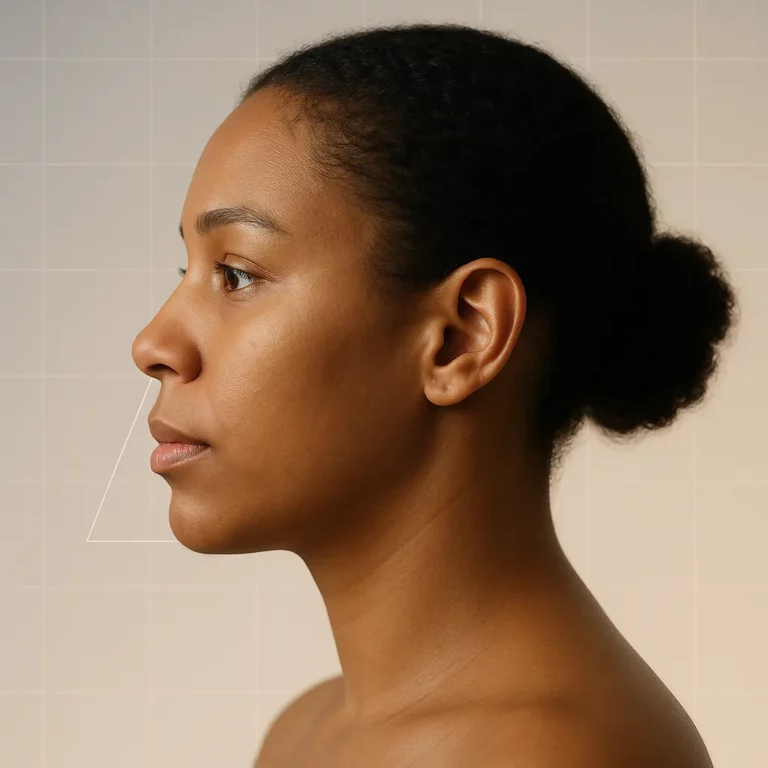
Facial balancing is a method that focuses on creating harmony among your facial features using non-surgical treatments like dermal fillers, neurotoxins, and skin therapies. Instead of addressing individual areas, this approach considers how your features work together to achieve a natural, proportional look.
Key takeaways:
What It Is: Facial balancing evaluates your face’s proportions (like the rule of thirds and fifths) to make subtle adjustments that enhance symmetry and alignment.
Why It Works: Non-surgical treatments, such as fillers and neurotoxins, are quick, flexible, and require minimal downtime, making them a popular choice for precise, gradual improvements.
Treatment Options: Common areas treated include cheeks, chin, jawline, lips, temples, and under-eyes. Skin rejuvenation (e.g., microneedling, chemical peels) complements these procedures by improving texture and tone.
Results: Temporary but long-lasting results (3–24 months depending on the treatment) allow for adjustments over time, ensuring a natural appearance.
This process begins with a detailed facial assessment to identify areas for improvement while respecting your unique features. Whether restoring volume, refining contours, or addressing skin quality, the goal is to achieve balance without looking overdone.
Non-Surgical Facial Balancing
Facial Proportions and Symmetry Explained
Facial proportions act as a guide for practitioners, helping them determine where to add volume, smooth lines, or adjust contours. These guidelines are not rigid rules but tools to enhance harmony in your features. When professionals assess your face, they focus on how different areas align both vertically and horizontally. This analysis forms the foundation for a custom treatment plan that respects your unique features while aiming for a naturally balanced look. These principles seamlessly integrate into the non-surgical treatments discussed earlier.
Key Facial Ratios and Alignment
The rule of thirds divides the face into three vertical sections: the upper third (hairline to eyebrows), the middle third (eyebrows to the base of the nose), and the lower third (nose base to chin). If one section appears out of proportion, it can disrupt overall balance. For instance, a weak chin compresses the lower third, while volume loss in the midface flattens the middle third, often creating an aged appearance. Injectable fillers can help restore balance – adding volume to the cheeks enhances the middle third, while chin fillers elongate the lower third and refine your profile, all without surgery.
The rule of fifths splits the face into five equal horizontal segments: one for each ear to the outer eye, one for each eye region, and one for the central nose area. If one side of the face looks broader, flatter, or more hollow, fillers can help even things out. This guideline helps practitioners make subtle adjustments to areas like the cheekbones, temples, and jawline, ensuring features stay proportional without overfilling.
Profile alignment focuses on how the nose tip, lips, and chin align. A recessed chin, a prominent nasal hump, or lips that sit too far back can throw off this balance. Treatments like chin and jawline fillers, lip enhancements, or non-surgical rhinoplasty can bring these features into harmony. Even small tweaks in projection can significantly refine your profile while maintaining a natural look. This emphasis on alignment ties back to the overall goal of achieving balance.
Before starting treatments, providers conduct a detailed facial assessment to identify proportional deviations and how muscle activity impacts your features. Dermal fillers are often used to add volume and structure to areas like the cheeks, jawline, and chin, while neurotoxins help relax muscles contributing to asymmetry.
Factors That Affect Facial Balance
Facial balance isn’t just about proportions – it’s also shaped by genetics, aging, and lifestyle.
Genetics play a major role in determining bone structure, soft tissue distribution, and natural asymmetries. You might have inherited traits like one eye sitting slightly higher, a crooked nose, or a weaker chin. While non-surgical treatments can’t change bone structure, they can help camouflage imbalances. For example, fillers can enhance a small chin or create symmetry in uneven cheeks, giving the appearance of better balance. The goal isn’t perfection but rather a more harmonious look, especially when skeletal differences are significant.
Aging naturally shifts facial proportions over time. Bone loss, fat pad movement, and skin laxity can cause the midface to flatten, the lower face to appear heavier, and features to droop. These changes disrupt the rule of thirds, often lengthening the lower third and flattening the middle third. Treatments like cheek fillers, jawline contouring, skin-tightening procedures, and neurotoxins can counteract these effects. Many plans focus on restoring midface volume and redefining the jawline to address aging’s impact on facial balance.
Lifestyle factors also influence facial symmetry. Sun exposure accelerates collagen breakdown and pigmentation changes, while smoking affects skin elasticity and circulation. These habits can lead to uneven texture, fine lines, and sagging, often more noticeable on one side of the face. Additionally, sleeping on one side, leaning on your hand, or repetitive facial expressions can deepen lines and create asymmetry. Combining skin rejuvenation treatments with injectables can address these changes, but maintaining good habits is key to preserving results over time.
While proportional “rules” provide a helpful starting point, they are not one-size-fits-all. Skilled injectors tailor these guidelines to match your natural anatomy, background, and aesthetic preferences. Many professionals recommend a gradual approach, building results over several sessions. This allows for feedback and minor adjustments, ensuring the final outcome looks both natural and aligned with your unique identity.
“We map a plan that fits your features and timeline.”
– Calista Aesthetics
Non-Surgical Treatment Options for Facial Balancing
When it comes to achieving facial harmony, non-surgical treatments offer a variety of ways to address both structural and expressive elements. Dermal fillers can restore volume, neurotoxins refine muscle activity, and skin rejuvenation treatments improve texture and tone. Together, these options target specific areas to create a more balanced and refreshed appearance.
Dermal Fillers
Hyaluronic acid fillers are a popular choice for enhancing facial contours and restoring lost volume. By strategically placing fillers, practitioners can lift sagging areas, refine contours, and improve proportions both vertically (from forehead to chin) and horizontally (balancing the left and right sides).
For many, cheek enhancement is the starting point. Adding volume to the cheeks not only supports the midface but also softens nasolabial folds and reduces the appearance of jowls. This subtle lift helps restore a youthful, balanced look. Chin and jawline treatments are equally impactful. A recessed chin can make the lower third of the face appear compressed, but filler can elongate and align it with the nose and lips. Jawline contouring can also create definition and reduce jowling for a more sculpted appearance.
Lip treatments focus on proportion and symmetry rather than just volume. For example, if the upper lip is noticeably thinner than the lower or one side is uneven, fillers can correct these imbalances. Softer, more flexible gels are used for lips due to their mobility, with results typically lasting around six months. Temples and under-eyes, while often overlooked, are key to overall harmony. Hollow temples can make the face look gaunt, while under-eye shadows can create a tired appearance. Carefully placed fillers in these areas restore a rested, youthful look.
The type of filler matters: firmer gels are ideal for structural areas like the chin and jawline, while softer gels work better for mobile areas like the lips. Results in structural areas can last up to 24 months, while mobile areas may need touch-ups every six months. Mild swelling, bruising, or tenderness is common for a few days after treatment. Avoiding strenuous activities and following aftercare instructions helps ensure optimal results.
While fillers focus on volume and structure, neurotoxins take on muscle activity for a more refined balance.
Neurotoxins
Neurotoxins work by relaxing specific muscles to enhance symmetry without freezing natural expressions. These injectables can subtly adjust facial features by influencing how light and shadow interact.
One common focus is brow position. By balancing the muscles that lift and lower the brows, practitioners can create a more symmetrical and open appearance. Jawline slimming is another effective use, especially for those with prominent masseter muscles. By softening these muscles, the lower face appears less square and more tapered, complementing filler-based contouring.
When the goal is balance rather than wrinkle reduction, neurotoxins can address asymmetrical muscle activity. For instance, uneven brows, crow’s feet, or smile lines can be adjusted with precise dosing to maintain natural, proportionate expressions. Initial treatments are often conservative, with follow-up visits after two to four weeks to fine-tune results.
Neurotoxins typically require minimal downtime, but it takes a few days to see the full effect. Patients should avoid lying down or massaging treated areas immediately after injection to prevent migration. Results generally last three to four months, requiring regular maintenance for lasting symmetry.
Skin Rejuvenation Treatments
Even with expertly placed fillers and neurotoxins, uneven or dull skin can detract from an otherwise balanced appearance. Skin rejuvenation treatments like microneedling and chemical peels address texture, tone, and clarity, enhancing the overall effect of other treatments. By evening out pigmentation and improving light reflection, these treatments create a smoother, more polished look.
Microneedling uses tiny needles to create controlled micro-injuries, stimulating collagen production and improving texture. It’s particularly effective for softening acne scars and fine lines. When paired with platelet-rich plasma (PRP) or growth factors, the results can be even more noticeable. Chemical peels, on the other hand, use exfoliating acids to address pigmentation, sun damage, and roughness. Lighter peels require little downtime, while deeper peels offer more dramatic results but involve longer recovery.
Timing is crucial when combining skin rejuvenation with injectables. Many providers recommend starting with skin treatments to improve the canvas or alternating them with injectables, spaced several weeks apart. For example, a patient might begin with fillers and neurotoxins, followed by microneedling or gentle peels every four to six weeks. This approach ensures each treatment’s effects are fully realized without irritation or overlap.
Short-term redness, flaking, or sensitivity is common after microneedling or chemical peels. Proper aftercare, including sun protection and gentle skincare, is essential for safe results. While these treatments don’t alter bone or tissue structure, they enhance the overall outcome by creating a more refined appearance.
For instance, a patient with flat cheeks, a recessed chin, strong jaw muscles, and sun-damaged skin could benefit from cheek and chin fillers to improve profile alignment, neurotoxins to soften the jawline, and microneedling or peels to refine texture and pigmentation. Another patient with under-eye hollowing, uneven brows, and acne scarring might see improvements with tear-trough fillers, customized neurotoxin treatments, and a series of microneedling sessions.
“Our approach is natural-first: balanced, subtle results that fit your features.”
– Calista Aesthetics [1]
This step-by-step approach respects individual anatomy and aesthetic goals, allowing for gradual improvements and adjustments over time. The result is a natural, cohesive look that aligns with each person’s unique identity.
Planning Your Facial Balancing Treatment
Achieving a balanced and harmonious facial appearance requires thoughtful planning, subtle adjustments, and a gradual approach. A well-designed treatment plan starts with a detailed assessment and progresses step by step, allowing your face to adapt naturally to each change. This careful process ensures that results enhance your natural beauty without looking overdone.
The Role of Facial Assessments
A comprehensive facial assessment is the foundation of any effective treatment plan. During this step, your provider evaluates your face both at rest and in motion – when smiling, frowning, raising your eyebrows, or speaking. This helps identify areas where volume might be lacking, asymmetries, or how muscle activity impacts overall balance.
Your skin’s condition is also examined, including texture, elasticity, and pigmentation. Even perfectly placed fillers or injectables might not achieve the desired results if skin quality issues, like sun damage or uneven tone, are not addressed. Your medical history – such as previous cosmetic procedures, allergies, medications, or conditions like keloids or autoimmune disorders – is reviewed to ensure safety and effectiveness. Practical factors like your schedule, budget, and downtime preferences are also considered to create a realistic plan.
Photos and mirror discussions help document your aesthetic goals. While standardized facial ratios can offer useful guidelines, your plan is always customized to highlight your unique features rather than conform to a universal ideal.
After completing the assessment, your provider designs a treatment map that highlights focus areas such as the midface, chin, jawline, lips, temples, and tear troughs. Key structural areas like the cheeks and chin are typically addressed first, as they provide the support needed for more detailed refinements later.
“We map a plan that fits your features and timeline.”
– Calista Aesthetics [1]
By carefully planning the amount of product for each area and scheduling follow-ups, your provider ensures that changes are introduced gradually and thoughtfully.
Staged and Long-Term Treatment Plans
Facial balancing isn’t a one-time fix – it’s a journey. The most effective plans unfold over time, with sessions spaced to let your tissues adjust and to allow for fine-tuning as needed. Once your initial assessment is complete, the insights gathered guide a staged approach tailored to your evolving needs.
A typical 12–24 month plan might begin with an initial consultation and mapping session, followed by filler treatments focused on foundational areas like the cheeks, chin, or jawline. Follow-up appointments a few weeks later allow for minor adjustments or additional small-volume injections if necessary.
Neurotoxin treatments, often scheduled every three to four months, help soften dynamic lines while preserving natural expressions. Providers use precise doses and placements to maintain a balanced, expressive look.
Filler maintenance is typically needed every six to eighteen months, depending on the treatment area, the products used, and how your body metabolizes them. Over time, adjustments may be made to adapt to natural aging and ensure that your results remain in harmony with your features.
To complement fillers and neurotoxins, skin rejuvenation treatments like microneedling, lasers, or chemical peels are often incorporated between injectable sessions. These procedures improve skin texture, tone, and elasticity, enhancing the overall effect.
As you move into the second year of treatment and beyond, many patients establish a maintenance routine. This might include periodic neurotoxin treatments, occasional filler touch-ups as needed, and seasonal skin treatments. This gradual, ongoing approach not only supports long-term results but also spreads out costs and procedures over time.
Providers often use tools like before-and-after photos, digital imaging, or mirror demonstrations to show how small changes in key areas can significantly improve overall balance. Clear communication about timelines, the number of sessions, and realistic outcomes helps set expectations and fosters trust.
Calista Aesthetics Approach to Facial Balancing
At Calista Aesthetics, achieving a naturally balanced appearance starts with a thorough facial assessment. Every aspect of your face – chin, cheeks, jawline, and lips – is carefully evaluated to create results that enhance your unique features. The process considers the proportions of your facial thirds (upper, middle, and lower), profile symmetry, and overall skin health before recommending any treatments. The focus isn’t on chasing fleeting trends like overly sharp jawlines or exaggerated lips. Instead, the goal is to deliver subtle, harmonious improvements that align with your natural beauty.
“Our approach is natural-first: balanced, subtle results that fit your features.” – Calista Aesthetics [1]
This detailed evaluation forms the foundation for their personalized treatment plans.
Treatment Services Available
Calista Aesthetics offers a variety of non-surgical treatments designed to enhance facial harmony.
Dermal fillers are used to restore volume and structure in areas like the cheeks, chin, jawline, lips, temples, and under-eye hollows. During your consultation, the provider identifies volume imbalances and asymmetries, selecting the right fillers and precise placements to create soft, natural contours. For instance, if you have a prominent nose but a recessed chin, they might recommend chin and pre-jowl fillers to create a more balanced profile while keeping the enhancements subtle.
Neurotoxins are another tool, helping to refine facial shape by relaxing muscles. They can soften a gummy smile, lift a downturned mouth, or slim the lower face by targeting the masseter muscles. When combined with fillers, neurotoxins enhance symmetry and balance – adjusting features like jawline width or eyebrow position – all while preserving natural expression.
Skin rejuvenation treatments round out the approach. Options like microneedling and chemical peels address surface concerns such as uneven texture, enlarged pores, pigmentation, and fine lines. These treatments ensure that your skin quality complements refreshed contours. Additionally, customized skincare plans with medical-grade products help maintain results between visits by supporting collagen production and managing pigmentation.
Focus on Natural, Balanced Results
Calista Aesthetics emphasizes a “less is more” philosophy, ensuring every enhancement looks natural and maintains facial harmony. By using conservative doses and precise application techniques, they achieve subtle improvements without sacrificing movement or expression. Regular follow-ups allow providers to fine-tune results, ensuring proportional and cohesive outcomes.
Patient education is a key part of this process. Providers use tools like before-and-after photos and mirror checks during treatments to set clear expectations and ensure you feel confident in your transformation. This transparency helps align every enhancement with your natural features.
Membership Benefits for Long-Term Care
Facial balancing is an ongoing process, and Calista Aesthetics’ membership program simplifies the journey. The Radiant Member program, priced at $50 per year, offers benefits that make maintaining facial harmony more accessible. Members enjoy perks like $100 off all filler treatments, 10% off skincare products, priority scheduling, and exclusive access to flash and holiday sales. These savings make it easier to budget for routine touch-ups, annual filler adjustments, and seasonal treatments like chemical peels or microneedling.
For perspective, non-members pay $650 to $750 per syringe of filler, while members save $100 per syringe. Chemical peels cost $375 for non-members and $325 for members, and specialized treatments like PRF EZ Gel are priced at $900 for non-members and $800 for members. Even with just two syringes of filler per year, the membership pays for itself.
This staged approach to care ensures that treatments are spaced out over time, allowing your face to adapt naturally while keeping costs predictable. During follow-up visits, providers update clinical photos and treatment notes, giving you a clear view of how your volume, contours, and skin quality evolve. As your needs change – whether due to aging, weight changes, or shifting preferences – your provider adjusts the plan accordingly. This might involve redistributing fillers, tweaking neurotoxin doses, or focusing more on collagen stimulation and skin health. The membership program ensures your facial harmony evolves with you, offering consistent care tailored to your journey.
Conclusion
Achieving facial harmony involves enhancing your natural features with subtle, well-planned adjustments. The key to this process lies in three main pillars: a detailed facial assessment, skilled care, and thoughtful long-term planning.
A proper assessment identifies areas of asymmetry or volume loss, guiding targeted treatments such as dermal fillers, neurotoxins, or skin rejuvenation therapies. This step ensures that every intervention is tailored to enhance your unique features.
Skilled practitioners rely on advanced techniques like micro-dosing and layered applications to create refined, natural-looking results. Facial balancing isn’t a one-time fix – it’s an ongoing process. As your face changes over time, regular treatments and follow-ups help maintain a cohesive and balanced appearance.
Whether you’re looking to correct specific concerns like a recessed chin or uneven cheeks, or simply want to maintain your natural beauty, non-surgical treatments provide personalized, effective options.
The journey to facial balance should always feel collaborative. Work with practitioners who take the time to explain your facial anatomy, understand your goals, and create a treatment plan that aligns with your needs and budget. This approach – focusing on assessment, expert care, and continuous planning – ensures that your natural beauty remains authentically yours.
At Calista Aesthetics, we prioritize individualized care to help you achieve facial harmony in a way that celebrates your unique features.
FAQs
The best way to figure out if non-surgical facial balancing is right for you is to meet with an experienced injector. In this consultation, they’ll evaluate your facial structure, talk through your goals, and design a treatment plan specifically for you to highlight your natural features.
This approach helps ensure the treatments match your preferences and achieve balanced, natural-looking results.
Non-surgical facial balancing treatments, like dermal fillers and neurotoxins, are considered safe when carried out by skilled professionals. That said, some mild side effects can occur, such as swelling, redness, or bruising around the injection site. These effects are usually temporary and tend to fade within a few days.
Although uncommon, more serious issues – like allergic reactions, infections, or uneven results – can happen. To reduce these risks, it’s crucial to choose a provider with extensive experience who can evaluate your specific needs and explain the procedure thoroughly. Following all post-treatment care instructions is equally important for achieving the best possible outcome.
Lifestyle habits, like how much time you spend in the sun or whether you smoke, can have a big impact on how well and how long facial balancing treatments work. Too much sun exposure can break down the skin’s collagen and elastin, which might reduce the effectiveness of treatments such as dermal fillers. Smoking adds to the problem by cutting down blood flow and speeding up skin aging, making it harder to maintain the refreshed look these procedures aim to provide.
To help your results last longer, make sunscreen a daily habit, limit your time in the sun, and think about quitting smoking. Caring for your skin and overall health can go a long way in preserving the benefits of non-surgical treatments.